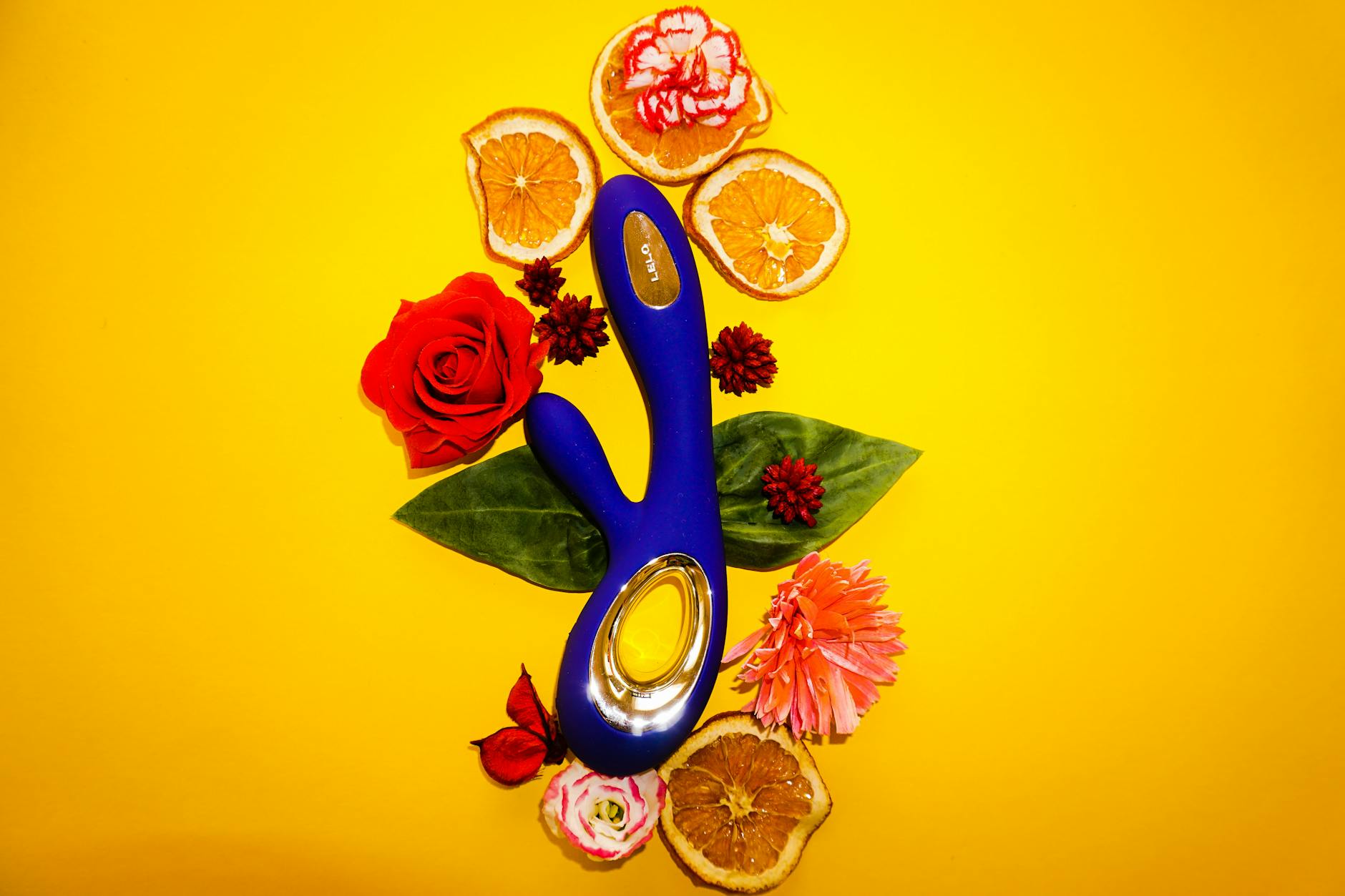
Here's the thing about vibration sensitivity
Not every body responds the same way to the same stimulus. What feels incredible to one person can feel overwhelming, irritating, or even painful to another. And honestly, that's not a problem you need to fix. It's just information about what your body actually likes.
If traditional vibrators have felt too intense, buzzy, or uncomfortable, you're not broken. Your sensitivity is real, and there's a whole different category of clitoral stimulation that works better for you. Welcome to the world of suction-based lemon vibrators.
The difference isn't subtle, and it's not marketing speak. It's rooted in how these devices actually stimulate nerve endings.
How traditional vibrators work (and why they might not suit you)
Most vibrators on the market use rapid oscillation. The toy vibrates side-to-side or up-and-down at speeds ranging from 3,000 to 12,000 cycles per minute. That's a lot of direct contact and pressure on tissue.
For people with high sensitivity, low pain thresholds, or certain nerve conditions, this intensity can trigger discomfort instead of pleasure. Some describe it as:
- Buzzing that feels numb or desensitizing
- Sharp sensation instead of pleasurable stimulation
- Irritation that builds rather than pleasure that builds
- Pain after short use (even a few minutes)
This doesn't mean you have dysfunction. It means your nerve density or sensitivity threshold works differently, and direct vibration isn't your pathway to pleasure.
What makes lemon vibrators different
Lemon clitoral vibrators use air-pulse or suction technology instead of direct vibration. Rather than pressing and buzzing against tissue, they create a gentle rhythmic suction that stimulates the clitoris without sustained pressure.
Think of it less like a vibrator and more like a rhythmic pulse. The sensation is diffused across a wider nerve area rather than concentrated in one point. For sensitive users, this difference is transformative.
The lemon vibrator works by:
- Creating a seal around the clitoral area
- Delivering gentle waves of suction rather than sustained vibration
- Allowing you to control intensity without escalating to painful levels
- Distributing sensation more evenly across nerve tissue
This is why so many people with sensitivity, trauma history, or heightened nerves find that a lemon vibrator was the first toy that actually worked for them.
The nervous system response
Your clitoris contains roughly 8,000 nerve endings concentrated in a small area. When you use a traditional vibrator, all that sensation is channeled through direct, repetitive contact. For some nervous systems, this registers as overwhelming.
With suction-based stimulation, the signal travels differently. The nerves are engaged, but the pressure is gentler and the rhythm is distinct. Many people describe the sensation as more building, more natural, and less likely to cause numbness or irritation.
If you've ever noticed that you feel less pleasure as a vibrator runs longer, that's often desensitization from sustained pressure and friction. Suction-based lemon adult toys work against that pattern because the stimulation method doesn't numb tissue the same way.
Real differences you'll notice
If you switch from a traditional vibrator to a lemon vibrator, here's what often changes:
Comfort in extended use. You can use a lemon clitoral vibrator for 20, 30, even 45 minutes without the numbing sensation that comes from traditional vibrators. Your tissue stays responsive.
Lower starting intensity. Traditional vibrators often require you to reach a high setting to feel pleasure. With lemon sexual toys, the lowest settings are often enough. This matters for sensitive users because you never have to push into uncomfortable territory.
Less irritation. If your skin reacts to sustained contact or pressure, suction is gentler. The seal and pulse method doesn't create the same friction that can leave tissue irritated or sore.
Easier to find the right sensation. Because the range of sensation is wider with suction than with vibration alone, you have more room to explore what works. You're not choosing between "barely anything" and "overwhelming."
Many people find that a lemon vibrator is the first toy that lets them orgasm without pain, numbness, or frustration.
When vibration sensitivity shows up
You might notice you prefer suction-based stimulation if:
You have reduced clitoral sensitivity and traditional vibrators feel numb. You've been told you have a low pain threshold or heightened sensation. You experience numbness during or after extended vibrator use. Direct touch sometimes feels painful or irritating (even if you don't have a diagnosed condition). Your nervous system is sensitive to sustained pressure, or you're in recovery from pelvic trauma.
None of these are diagnoses. They're just descriptions of how your body actually responds.
How to transition from traditional vibrators
If you're switching from a regular vibrator to a lemon clitoral vibrator, a few things help:
Start on the lowest setting. Suction-based tools often surprise people with how effective even gentle pulses are. You might find a setting on a lemon vibrator that never existed on your traditional vibrator. Begin there.
Adjust positioning until it feels right. The seal matters. If you're feeling nothing or everything all at once, shifting the angle of the toy by half an inch can change the entire sensation. Give yourself permission to move around.
Use lube if you want. Water-based lubricant can actually help create a better seal with some suction toys and softens any sensation that feels too direct. It's optional, but many people find it helps, especially if tissue is dry or sensitive.
Expect your orgasm to feel different. Because the stimulation is different, the orgasm often is too. Some people find it subtler and more extended. Others find it more intense because they're not fighting numbness. Both are normal.
If you've struggled with pleasure because traditional vibrators didn't work for your body, you're not broken. Your body's asking for a different kind of tool. Lemon vibrators were designed exactly for this reason.
The bigger picture
Pleasure isn't one-size-fits-all, and your sensitivity isn't a flaw. It's part of your neurology. The right tool honors how your nervous system actually works instead of forcing you to adapt to something that doesn't fit.
If traditional vibrators have felt overwhelming, numb, or painful, trying a suction-based lemon clitoral vibrator from Lem Hello Nancy Shop might be the shift your body's been waiting for. The difference is real, and it's worth exploring.
Common questions about lemon vibrators for sensitive users
Do lemon vibrators work if I have numbness from antidepressants?
Yes, often better than traditional vibrators. Since suction creates a different nerve signal than vibration, many people on medications like SSRIs find they respond better to air-pulse stimulation. The gentler intensity and longer usable time also help. That said, if medication has significantly reduced sensation, chat with your doctor about whether adjusting timing or dose might help alongside exploring new toy types. How Lemon Vibrators Improve Sensation When You're on Antidepressants covers this in more depth.
Can suction toys cause irritation if my skin is already sensitive?
They can if the seal is too tight or if you use them for hours. Start with short sessions (10-15 minutes) and build up. If redness or soreness appears, you might need more lube, looser positioning, or shorter use. Your skin will tell you. Most people with sensitive skin actually prefer suction because it doesn't involve the friction that traditional vibrators create.
Is there a learning curve with lemon vibrators?
A small one, mainly in finding the right seal and positioning. Unlike traditional vibrators, where you just hold it and turn it on, suction toys need to create contact to work. Spend a few minutes adjusting angle and pressure until the sensation feels right. Once you've found your sweet spot, it stays consistent.
What if a lemon vibrator still feels too intense?
Try the lowest setting first (seriously, don't skip this). If even that feels overwhelming, take a break and come back. Sometimes sensitivity decreases with a few days' rest. You can also use a thin barrier like a silk or cotton cloth between the toy and your skin, though this reduces sensation slightly. If suction toys continue to feel too intense after trying these approaches, you might benefit from external vibration at lower speeds or other stimulation methods entirely.
How do lemon vibrators compare to wand vibrators?
Wand vibrators deliver broad, diffused vibration across a wider area, so they're gentler than targeted vibrators. Many sensitive users find wands more comfortable than bullet or rabbit toys. However, suction-based tools often win for sensitivity because the stimulation method is fundamentally different. You might try both and see which resonates with your body. No one tool is "better." It's about what works for you.
Can my partner use a lemon vibrator with me if I'm sensitive?
Absolutely. In fact, many couples find that when one partner is sensitive, suction toys create a shared experience that feels good for both. The sensation is easier to control, less overwhelming during partner play, and often more compatible with extended sessions. How to Use Lemon Clitoral Vibrators for Couples Exploration and Shared Pleasure walks through this specifically.