Let's name what's actually happening
Rebounding physically after infidelity isn't just about sex. It's about trust, vulnerability, and the nervous system learning that it's safe to be touched again. Many couples I work with assume they should jump back into their old rhythm. They can't. The body remembers breach, even when the mind is trying to forgive.
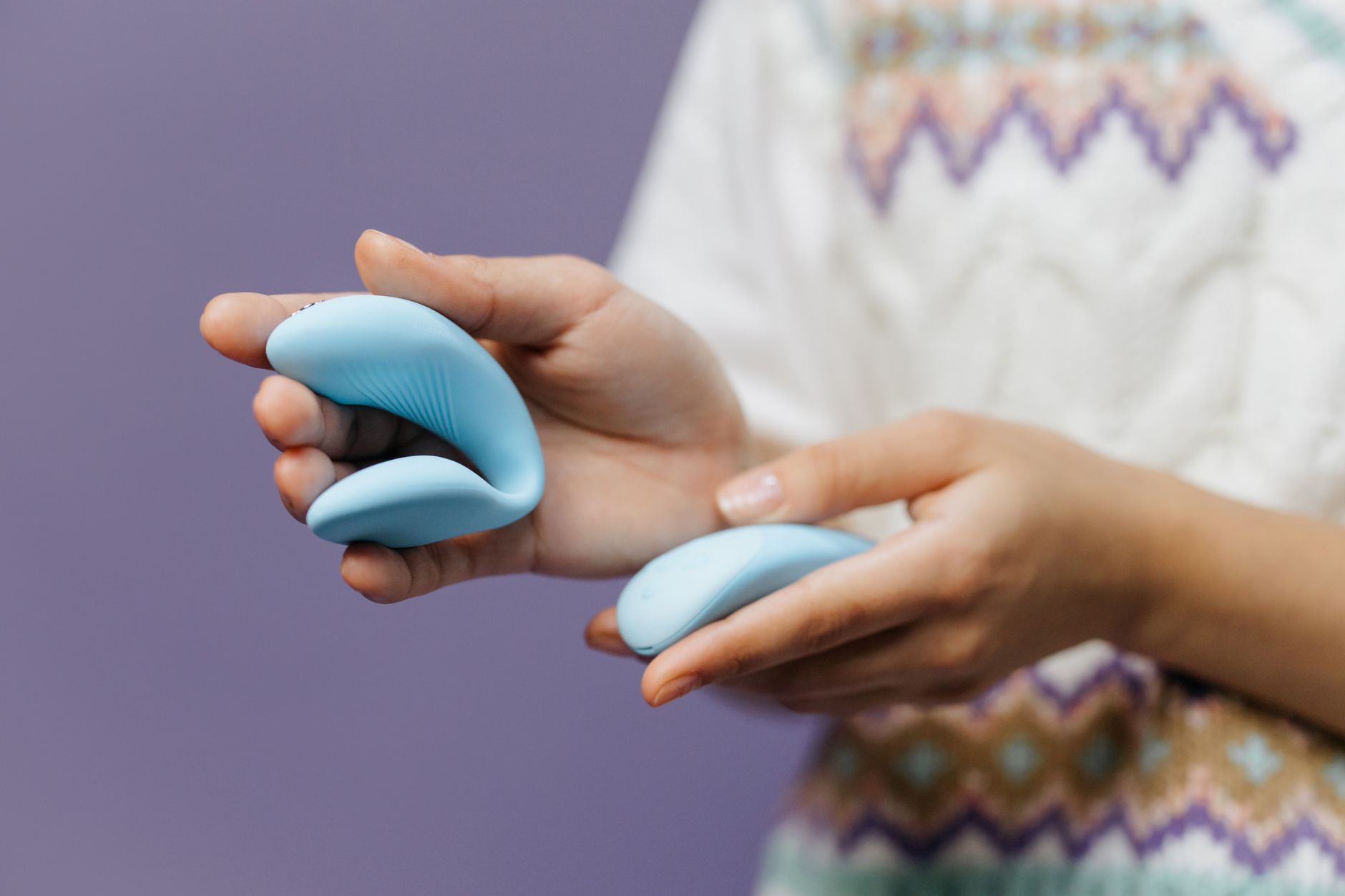
This is where thoughtful tools like lemon sexual toys and lemon clitoral vibrators come in. They're not a fix. They're a bridge. A way to reintroduce pleasure without the loaded emotional weight of penetration or the performance pressure of traditional intimacy right away.
Why rebuilding takes time (and why that's okay)
When infidelity happens, the nervous system goes into protective mode. Touch feels unsafe, even from the partner you're choosing to stay with. Arousal doesn't just turn on because intellectually you've decided to move forward. The body needs evidence that it's secure before it softens again.
This is why rushing sex after infidelity often backfires. The betrayed partner touches up anxious or triggers memories they're not ready to process. The unfaithful partner feels rejected or blamed during sex, which then becomes another wound. You end up avoiding intimacy altogether, which actually widens the gap.
That's where a structured, low-pressure introduction to shared pleasure helps. Using a lemon vibrator together gives you something to focus on besides shame, guilt, and fear. It's tactile, it's not about performance, and it allows the person who was hurt to stay in control of pace and intensity.
How to start the conversation
Before you even think about touching a toy together, you need to talk about it. Separately and together.
First, alone: sit with what you actually want. Not what you think you should want or what you've read that couples do. The betrayed partner might feel that sex equals vulnerability and that doesn't feel safe yet. The unfaithful partner might feel they don't deserve pleasure or have lost the right to ask for it. Both feelings are real. Both need naming before you try anything.
Then together: bring those feelings to the table without judgment. "I'm scared touch will hurt" is different from "I don't love you." "I feel like I forfeited my right to pleasure" is different from "I don't deserve to heal." Separating the feelings from the narrative changes everything.
Once you've talked, suggest a lemon clitoral vibrator as a way to explore pleasure together without the weight of "are we fixed yet." Frame it as an experiment. A way to check in with your body and your partner's body without the pressure of traditional sex.
The practical setup that works
If you decide to move forward, here's what I recommend to couples in your position.
Pick a time when you're not stressed, not tired, and not coming off a fight. You need at least an hour with no interruptions. Turn off phones. Close the door. Set a real boundary around this time.
Start clothed. Sit together, maybe watch something that makes you both laugh or feel connected. This sounds basic but it matters. The nervous system needs evidence that togetherness feels safe before it softens.
When you're ready, undress slowly. Look at each other. This is hard after infidelity. The betrayed partner might feel their body was compared to someone else's. The unfaithful partner might feel shame in being seen. This is normal. Keep breathing. Keep talking if you need to.
Start with hands. Touch each other without a goal. Not trying to arouse, not trying to orgasm. Just sensation. Five to ten minutes.
Then one partner uses a lemon vibrator on the other. Start on low. The person receiving gets to say "higher," "softer," "slower," or "I need a break." This is crucial. They're reclaiming agency. The person giving gets to pay attention and care. Both roles matter.
If it feels good and you both want to continue, take turns. There's no rush to climax. If climax happens, great. If it doesn't, that's also fine.
Why lemon vibrators specifically
Lemon clitoral vibrators work better for couples rebuilding intimacy because they're not intimidating. They're smaller, they don't require the same kind of body accommodation as traditional vibrators, and they work through suction rather than direct friction. That means less pressure, more comfort.
They're also easier to use together. One partner can hold it while the other guides pressure and speed. It's collaborative. There's less "performing" for a partner and more "discovering together."
Read more about why lemon vibrators feel better than traditional vibrators for sensitive users if you want to understand the biomechanics. The short version: they're gentler, more nuanced, and they let you stay present instead of bracing for intensity.
The emotional layer you can't skip
Using a lemon vibrator together isn't therapy. But it can be a container for healing if you approach it right.
The person who was hurt might feel emotions during or after. Sadness, anger, grief. That's not failure. That's the body processing. Don't push through it. Pause. Hold each other. Talk about it.
The person who betrayed might feel shame or unworthiness. They might pull back from pleasure because they believe they don't deserve it. This is also common and also needs naming. You can't heal a relationship where one partner is locked in self-punishment.
If either of you is in therapy individually (and I'd strongly recommend this), bring what's happening to those sessions. A good therapist will help you understand what's surfacing and why.
Frequency and patience
Don't aim for weekly intimacy yet. Start with once every two weeks. Let the nervous system integrate each experience. Let trust build slowly.
Over time, as the experience of being together feels safer, you might explore more. Different toys, different positions, different fantasies. But that's months away, not weeks.
Some couples find that rebuilding physical intimacy actually deepens their connection more than it was before. Others find they need to end the relationship despite their best efforts. Both are valid outcomes. The point of moving slowly and intentionally is that you get to find out which is true for you without rushing into another wound.
When to bring in professional support
If you've tried this and touch still feels impossible. If one partner keeps pulling away. If you can't stop bringing up the infidelity during intimate moments. That's when you need a couples therapist who specializes in infidelity. They can help you navigate the nervous system work that goes deeper than tools alone can address.
You deserve support in this. Both of you. Infidelity is a real injury. Healing is possible. But it's not fast, and it's not something you should try to white-knuckle through alone.
FAQ
Can we use a lemon vibrator if we haven't had sex since the infidelity?
Absolutely. In fact, starting with something that removes the "sex" framing can actually feel safer. You're not trying to prove the relationship is "back to normal." You're just exploring sensation together.
What if I (the unfaithful partner) feel like I don't deserve pleasure?
That's shame talking, and shame is the worst foundation for rebuilding trust. If you stay locked in "I don't deserve this," your partner never gets to experience you as a full person again. You stay frozen. Pleasure and accountability aren't opposites. You can take responsibility for what you did AND allow yourself to heal. One doesn't cancel the other.
Is it weird if we don't climax?
Not at all. Climax is often the least important part of rebuilding intimacy after infidelity. You're relearning how to be present, how to trust, how to enjoy sensation without performance. That's huge. Orgasm can come later.
How do I know if we're healing or just going through the motions?
Healing feels different over time. Early on, it might feel tense or awkward. That's normal. But if three months in it still feels obligatory, resentful, or unsafe, that's a signal you need help. Healing should gradually feel less like pushing a boulder and more like breathing together.
What if my partner wants to use the lemon vibrator but I'm not ready?
That's okay. There's no timeline that works for everyone. You might need six months. You might need two years. Tell your partner where you are. Give them a real date to revisit the conversation if you can. "I'm not ready yet, but I want to try in three months" is different from "maybe never," and the clarity matters.
Can we use a lemon clitoral vibrator if we've only been trying to rebuild for a few weeks?
You can if you've both done the conversation work and the nervous system feels somewhat settled. But most couples I work with wait at least a month or two. Use the time to build non-sexual touch. Walk together. Sit close. Let the body learn safety again before you introduce pleasure.
The path forward
Rebounding after infidelity requires intention, patience, and tools that remove pressure. A lemon vibrator isn't a magic solution. But it's a thoughtful way to reintroduce shared pleasure without the loaded weight of traditional sex. It gives your nervous system permission to soften again. It gives you both a chance to discover that being touched, and touching your partner, can feel good even after everything.
Trust takes time. Your body will tell you when it's ready. Listen to it. And if you're stuck, reach out to a couples therapist or contact Lem Hello Nancy Shop to explore how the right tools can support your healing journey.