Here's the thing about toy resistance.
Your partner isn't opposed to your pleasure. They're probably worried about one of three things: that a toy means they're "not enough," that using one will make sex feel clinical or weird, or that the whole thing will become awkward and impossible to undo. None of those worries are dumb. They're just based on incomplete information.
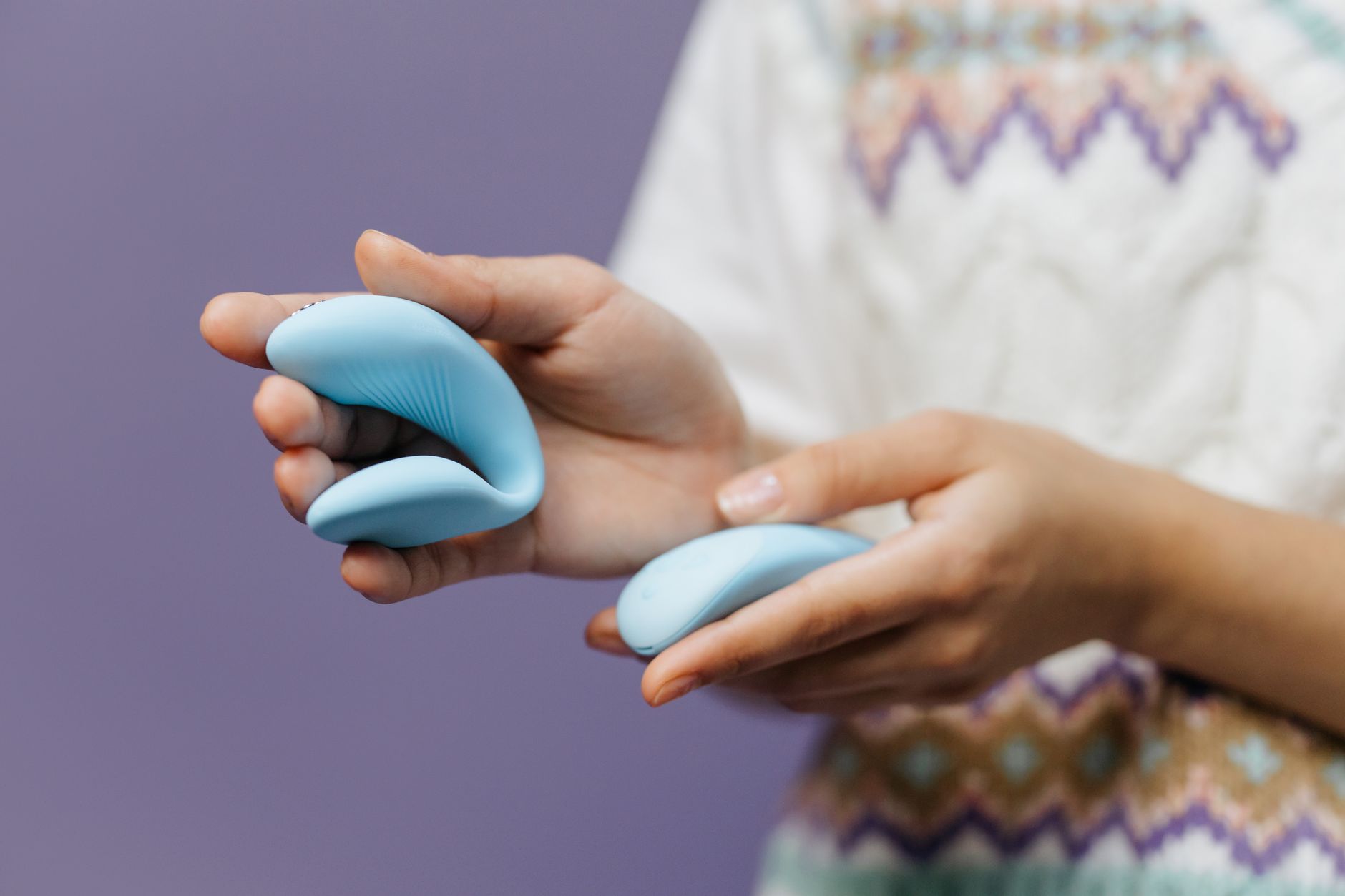
Lemon vibrators work differently than traditional vibrators, and that difference is actually your opening. The suction-based technology behind a lemon clitoral vibrator doesn't feel like a replacement for touch. It feels like an upgrade to what you already do together. That reframe changes everything.
Why your partner thinks toys are unnecessary (and why they're wrong).
Most people imagine vibrators as loud buzzing wands that dominate the experience. The Lem Hello Nancy Shop lemon vibrator isn't that. It's precise, quiet, and designed to work with partnered touch, not against it. Your partner's hand can still be exactly where it is. The toy just amplifies sensation.
The bigger truth: toys aren't about sufficiency. They're about access. A lemon clitoral vibrator gives you access to pleasure that's harder to reach with hands alone. That's not a reflection on your partner's technique. It's basic anatomy. Some people need more direct, consistent stimulation to orgasm, especially if they're stressed, tired, taking medication that affects arousal, or just wired that way.
Introducing this idea without defensiveness matters. You're not saying "I need a toy because you're failing." You're saying "I want to explore something that might feel amazing, and I'd like you here while I do it."
The conversation before the toy.
Don't lead with the toy. Lead with curiosity.
"I've been reading about how some couples use toys together, and I'm genuinely curious about it. Would you be open to talking about it?" That's different from "I bought a vibrator and I want to use it during sex." The first invites exploration. The second feels like a unilateral decision.
Listen to what they actually say underneath the initial resistance. If they say "I don't want you using a toy," ask why. Is it insecurity? Worry about noise or mess? A belief that toys are somehow unfaithful? Each reason gets a different response.
If it's insecurity: Directly name it. "I get why you might worry this changes things. It doesn't. This is about me exploring sensation with you here, not about replacing what we have." Couples who use toys together often report closer intimacy, not distance.
If it's practical concern: Problem-solve it. "It's really quiet. It takes two AAA batteries. We can set boundaries about when and how we use it." The Lem vibrator is designed to be discreet and easy. That matters.
If it's philosophical: Share the research. Clitoral vibrators don't make people "addicted" or numb them to regular touch. The science is clear and repeatedly shows that couples who explore toys together have more satisfying sex lives, not less.
Your partner's actual job here.
Once they've agreed to try, reframe their role. This isn't about them disappearing or feeling replaced. It's about them being present in a new way.
They might hold you. Apply the toy themselves. Keep their hand or body in contact while you use it solo. Watch. All of these are active, intimate participation. The goal is connection, not spectating.
Try starting without penetration. Just lemon vibrator use together, close, touching in other ways. This removes the pressure of "we have to have sex right now" and lets sensation be the focus. Many partners relax immediately once they realize the experience isn't being taken away. It's being expanded.
The first time you actually use it together.
Start solo, not partnered. Use it alone first so you understand what it does, what patterns you like, how it feels on different intensity levels. When you're already familiar with the sensation, introducing your partner to it feels less like a big production. You're just showing them something you like.
Then, when you're together, suggest trying it while they're still involved. "I want to use this while you're touching me here." Specific. Collaborative. Clear.
Go slow on intensity. The Lem vibrator has multiple patterns. Start with 1 or 2. You're building curiosity and comfort, not racing to orgasm. Your partner gets to see how you respond, how your body changes, what makes you gasp. That's actually deeply intimate for a lot of people. The shame or weirdness lifts when they see how much pleasure it creates for you.
If they're still hesitant, don't push.
Some partners need time. Some need to see it in action before they believe it won't feel weird. Some need reassurance multiple times. That's okay. Pushing creates resentment.
What you can do: use lemon vibrators for solo pleasure without secrecy, and casually mention how good they feel. "I used the Lem last night and had the best orgasm. My body feels amazing." Normalize it. Over time, curiosity often builds.
You can also read resources together. Why Lemon Vibrators Feel Better Than Traditional Vibrators for Sensitive Users and How Lemon Clitoral Vibrators Help When Arousal Feels Numb or Delayed both explain the science in accessible language. When information comes from a source that's not you, it lands differently.
What often actually happens.
This is where it gets interesting. Most partners who resist toys initially end up enthusiastically supporting them once they see the impact. Watching someone you love experience intense pleasure is hot. It's also a relief. A lot of people spend years worried they're not doing enough. A lemon vibrator removes that burden instantly.
After a few months of use, many couples report that toys have become part of their normal sexual rhythm, not a big special thing. The tool does its job and then it's background noise.
Your partner might also ask to use the toy on you instead of you using it solo. That's a common progression. They feel like they're part of the experience, which they are. The Lem vibrator isn't diminishing anyone's role. It's making pleasure more accessible.
The actual risks (spoiler: they're minimal).
Your partner might worry that using toys leads to desensitization or addiction. That's not supported by research. Clitoral vibrators work on sensation, not habit formation. You won't need increasingly intense toys or lose the ability to enjoy non-toy sex.
They might worry it'll create performance pressure. It won't, as long as you frame it correctly. "I like this, and I like it with you" is different from "I can only come with this."
They might worry about noise. The Lem vibrator is genuinely quiet. It won't broadcast your business through apartment walls.
The conversation after the first time.
Don't wait for them to bring it up. Ask: "What was that like for you?" Listen without defensiveness. If it felt good, say so. If it felt awkward, that's data. Awkwardness usually fades with repetition.
Thank them for being open. Appreciate the vulnerability on both sides. Suggest doing it again, or not, depending on their response. This isn't a one-time test. It's the beginning of a pattern.
Many couples use lemon clitoral vibrators to reconnect with their partner after kids, after life stress, or after their sex life has felt stuck. The tool itself isn't magic. The willingness to explore something new together is what shifts things.
Here's what actually changes.
When your partner moves from "toys are weird" to "okay, let's try this," something deeper often shifts too. You've both agreed that your pleasure matters enough to be uncomfortable for a minute. You've both chosen each other and chosen to keep exploring. That's the opposite of the distance toys are supposed to create.
Your partner might never become a toy person. That's fine. They don't have to be. But most people who try a lemon vibrator with a willing partner realize the fear was bigger than the reality.
Frequently asked questions.
How do I bring this up without making my partner feel insecure?
Frame it as curiosity, not complaint. "I'm interested in trying this" is different from "I need this because you're not enough." Timing matters. Don't bring it up right after sex or in a moment of conflict. A calm conversation over coffee works better. Make it clear this is about expanding pleasure together, not replacing anything.
What if my partner says no and means it?
That's their boundary, and respecting it matters more than the toy does. You can use toys solo (privately or with their knowledge), and you can also revisit the conversation later if things shift. Some people need more time. Some people need to see research or talk to friends who use toys. Pressure usually backfires. Patience often wins.
Can we use a lemon vibrator if my partner is worried about mess or noise?
Yes. The Lem vibrator is designed to be discreet, quiet, and easy to clean. If mess is the concern, use a water-based lubricant that wipes off easily. If noise is the concern, it's genuinely quiet compared to traditional vibrators. Address the actual worry and the resistance often dissolves.
What if my partner wants to use the toy on me but I'm nervous?
That's normal. Receiving pleasure while someone watches is vulnerable. You might worry about how you look, sound, or respond. Talk about it beforehand. "I'm a little nervous about this, but I want to try." Most partners find it incredibly hot to be the one creating that pleasure, which usually helps their own nervousness drop.
Do lemon clitoral vibrators work for everyone?
Most people find them effective, especially if you're using one for the first time or you've had trouble reaching orgasm with other methods. The suction-based technology is different from buzzing vibrators, so if you've tried traditional vibrators and didn't love them, a lemon vibrator might feel completely different. If you're unsure, our buying guide walks through what to expect.
What if using toys becomes a point of conflict in our relationship?
That's worth exploring separately from the toy itself. Couples who struggle with toy use often have deeper things going on around control, trust, or mismatched desires. A relationship coach or therapist can help untangle what the toy actually represents to each partner.
The bottom line.
Your partner isn't resisting pleasure. They're resisting uncertainty. Once they see that a lemon vibrator is about shared experience and expanded sensation, most of that resistance lifts. The tool doesn't change your relationship. Your willingness to be vulnerable together does. Start there.