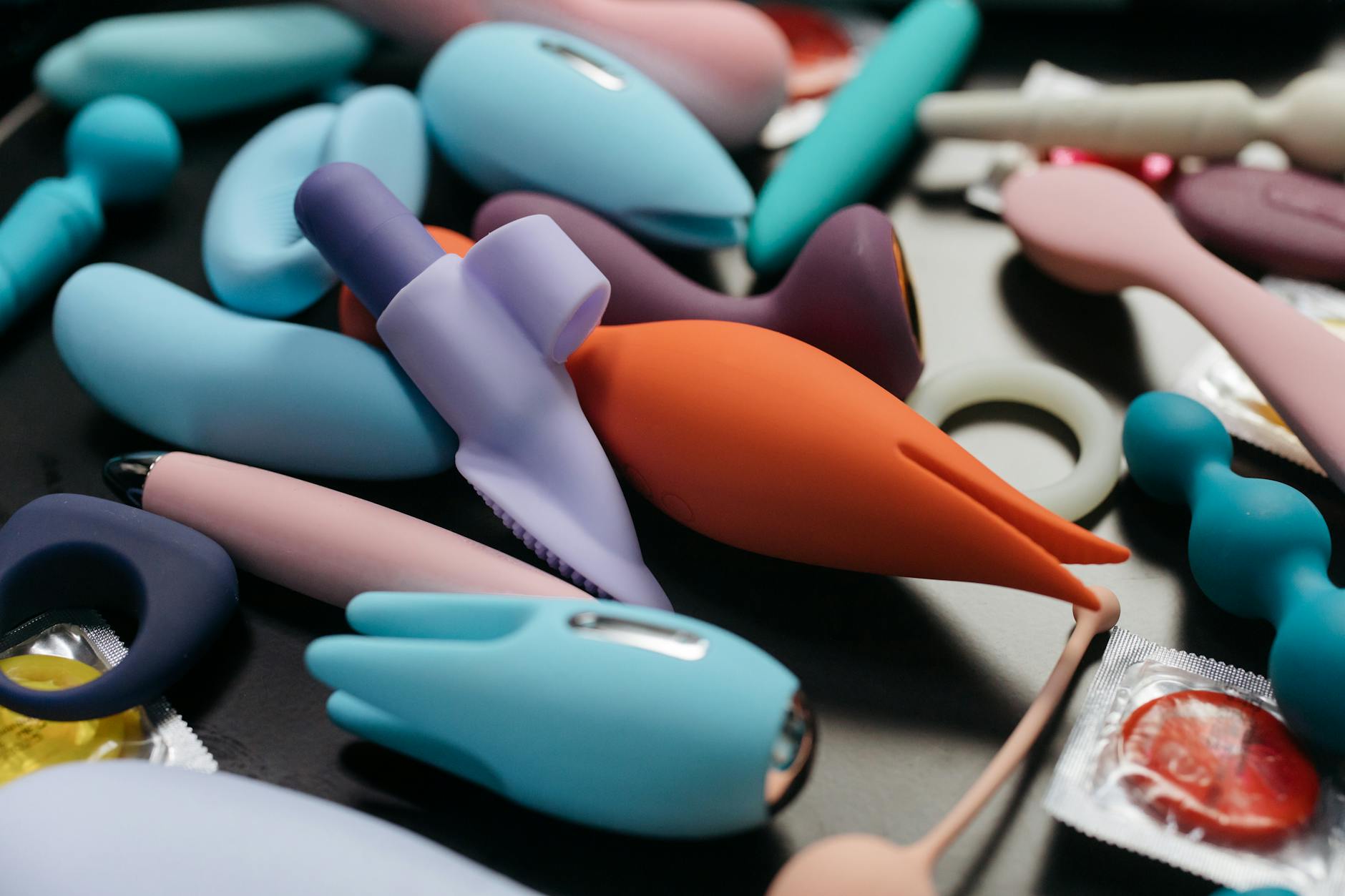
Let's get real about latex and pleasure
If you have a latex allergy, the world of sexual wellness doesn't have to shrink. You just need to know what's actually safe. Lemon vibrators and other clitoral toys are engineered in materials that work perfectly fine for people with latex sensitivities, but you need to understand the difference between what's marketed as "hypoallergenic" and what actually won't trigger a reaction.
Here's the thing nobody explains clearly: latex allergies vary wildly in severity. Some people break into hives from the briefest contact. Others have only mild skin irritation. Knowing your own threshold is the first step toward confident, safe exploration.
What materials lemon vibrators actually use
Most lemon clitoral vibrators, including the toys from Lem Hello Nancy Shop, are made from medical-grade silicone. This is not latex. Silicone is a polymer, completely different chemical family, and it's genuinely safe for people with latex allergies because it doesn't trigger the immune response that latex does.
But here's where people get confused. Not all silicone is the same grade. Food-grade silicone (what you'd use for baking) is different from medical-grade silicone (what goes inside your body). Medical-grade silicone has been processed to remove impurities and additives that could irritate sensitive skin.
When you're shopping for a lemon vibrator or any clitoral vibrator, look for the label "medical-grade silicone" or "body-safe silicone." If a product just says "silicone" with no qualifier, reach out to the manufacturer and ask directly.
Why latex-free doesn't always mean allergy-safe
This is the tricky part. A toy can be latex-free and still contain materials that cross-react with latex allergies. Rubber, for example, is latex-free, but some people with latex allergies react to rubber too because of shared proteins.
Other materials to avoid if you have a significant latex allergy:
- Rubber or rubber blends
- PVC or vinyl (contains phthalates and can leach chemicals)
- Jelly-like substances (often contain latex or latex-adjacent compounds)
- Uncertified "silicone" from unknown manufacturers
- Blended materials without clear labeling
Stick with medical-grade silicone, glass, stainless steel, or certified body-safe ABS plastic. Those are your safest bets.
How to test your sensitivity before full contact
Even with a medical-grade silicone lemon vibrator, it's worth doing a patch test if your latex allergy is severe or you've had full-body reactions before. Here's how:
Step one: Clean the toy thoroughly with warm water and a fragrance-free soap. Rinse completely.
Step two: Choose a small area of skin on your inner arm or behind your ear. Press the silicone against it for 10-15 minutes. This mimics low-pressure contact.
Step three: Wait 2-4 hours. Watch for redness, itching, hives, or swelling.
Step four: If no reaction appears, you can proceed. If any irritation shows up, don't use the toy on your vulva. Try a different toy or contact a dermatologist.
This isn't paranoia. It's just smart risk management, especially if you've had anaphylaxis or severe systemic reactions in the past.
Lube choices matter more than you think
Here's something that catches people off guard: your lubricant can trigger a latex reaction even if the toy doesn't. Some lubes contain latex compounds or are packaged in latex or latex-coated containers.
For people with latex allergies, stick to water-based or silicone-based lubes that are explicitly labeled latex-free. Check the ingredient list and the packaging label. If it doesn't say latex-free, call the manufacturer.
One more thing: silicone toys should only be used with water-based lube, not silicone lube. Silicone lube breaks down the toy's surface over time, creating tiny tears where bacteria and irritants can hide.
What to do if you get a reaction
If you experience itching, burning, or hives after using a toy, wash the area immediately with cool water and fragrance-free soap. Don't scrub. Pat dry gently.
If the reaction is mild (localized itching or slight redness), an over-the-counter hydrocortisone cream can help. Stop using that toy.
If you develop a rash that spreads, swelling in your lips or throat, difficulty breathing, or any systemic symptoms, that's a medical emergency. Anaphylaxis from toy materials is rare but possible. Go to an ER.
If you had a moderate reaction (significant rash, swelling, or itching that lasted hours), see an allergist before using any toy again. They can run a patch test to pinpoint exactly what triggered it.
Storage and maintenance for allergy safety
How you store a lemon vibrator or other clitoral toy matters if you have allergies. Silicone can trap bacteria and irritants, so proper cleaning prevents secondary skin issues.
After every use, wash with warm water and mild soap. Rinse thoroughly. Dry completely with a lint-free towel or paper towel. Never let it sit damp.
Store in a clean, dry place away from direct sunlight (UV breaks down silicone). A breathable storage bag is fine, but never store toys in airtight plastic containers where moisture builds up. Some people keep theirs in a small drawer with a moisture absorber packet.
If you notice discoloration, a sticky feel, or an odd smell, the toy is degrading. Replace it. A compromised silicone surface is more likely to irritate sensitive skin.
Partner communication and latex-free play
If you play with a partner, they need to know about your allergy. This isn't just about the toy itself. It's about condoms, hands-on contact, and any latex-containing items that might come near your skin.
Your partner can wear latex gloves during partnered play if they prefer, but they should wear nitrile or non-latex gloves instead. Nitrile is cheap, widely available, and protects you both.
Also mention your allergy to any healthcare provider examining your genitals. Gynecologists and sexual health specialists use latex gloves by default. They'll have non-latex options in the drawer if you ask.
Confidence is part of pleasure
Using a lemon vibrator safely with a latex allergy isn't complicated once you know the rules. Medical-grade silicone toys, latex-free lube, proper cleaning, and a quick patch test if you're unsure. That's it. Your pleasure matters, and allergies don't have to take it away from you.
If you're nervous, start with a well-reviewed toy from a brand that stands behind its materials, like the clitoral vibrators from Lem Hello Nancy Shop. Read the material labels, ask questions if anything's unclear, and trust your body. It knows what feels good and what doesn't.
People also ask
Can I use a regular vibrator if I have a mild latex allergy?
It depends on the vibrator's material. If it's made from medical-grade silicone, yes. If it contains rubber, PVC, or unknown materials, no. The safest approach is always to check the product page or contact the manufacturer. Don't assume. A mild allergy today can become severe later, especially if you're exposed repeatedly.
Are all silicone vibrators safe for latex allergies?
Most are, but not all. What matters is the grade of silicone. Food-grade or industrial-grade silicone can contain residues that irritate sensitive skin. Stick with medical-grade silicone explicitly labeled as "body-safe" or "hypoallergenic." If a toy doesn't clearly state the grade, that's a red flag.
What's the difference between latex-free and hypoallergenic?
Latex-free means it doesn't contain latex rubber. Hypoallergenic means it's less likely to trigger allergic reactions in most people. A toy can be latex-free but not hypoallergenic if it contains other irritants. Hypoallergenic is the stronger claim for your purposes.
Can I use condoms with a latex allergy and a vibrator?
Yes, but use non-latex condoms. Polyurethane, polyisoprene, or lambskin condoms work fine (lambskin is an animal product, so skip it if you're vegan, but it's not latex). Pair the non-latex condom with your medical-grade silicone lemon vibrator and a water-based lube, and you're covered.
What should I do if I'm unsure about my allergy severity?
See an allergist before exploring with toys. A skin prick test or patch test takes 20 minutes and tells you exactly what you're reacting to. Knowing whether you're allergic to latex itself or to a chemical component (like thiuram) changes what toys are safe. It's worth the appointment.
Are glass or stainless steel vibrators safer than silicone for latex allergies?
Yes and no. Glass and stainless steel don't trigger latex allergies because they're inert. But many glass or steel vibrators have silicone bases or battery covers. Check the full material list. Also, glass is breakable and steel is cold (though it warms up). Medical-grade silicone is usually the best balance of safety, durability, and sensation.
What comes next
Once you've chosen a safe lemon clitoral vibrator or other toy, the next step is using it in a way that feels good. If you're starting out, read through our guide on lemon clitoral vibrators for beginners to learn about intensity patterns and warm-up.
If you're introducing a toy to a partner, check out our post on communication and pleasure so you both feel confident.
And if you have questions about lube or cleaning, we've covered lubrication in detail here.
Your allergy doesn't define what's possible. The right information and the right toy do.