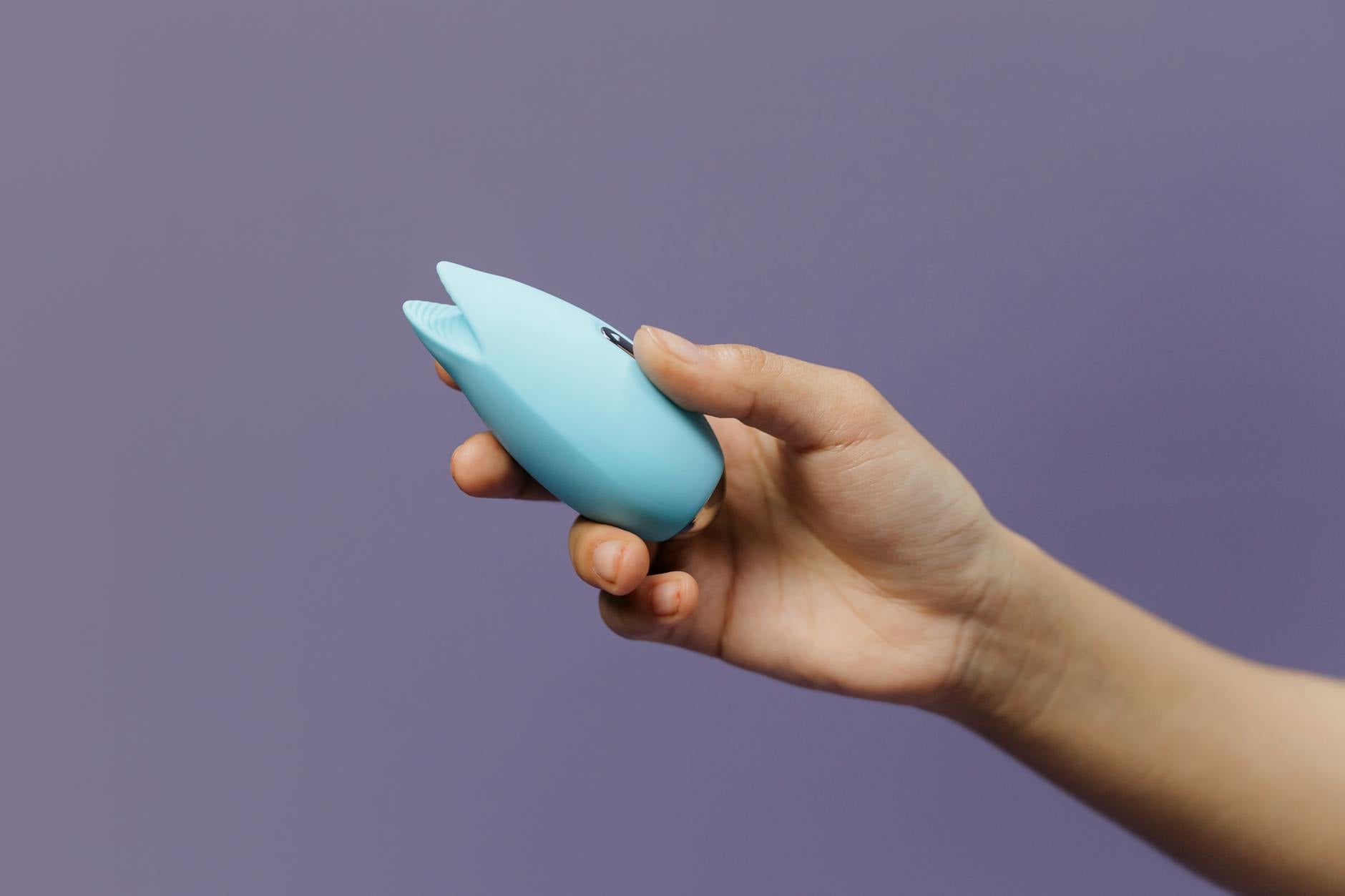
How to Use a Lemon Vibrator for Couples Pleasure and Better Communication
Introducing a lemon clitoral vibrator into partnered sex doesn't have to be awkward. Here's exactly how to have the conversation, set expectations, and deepen intimacy together.
Honestly, the biggest barrier to using a lemon vibrator with a partner isn't logistics or technique. It's the fear that mentioning it will somehow signal dissatisfaction or hurt their feelings. So the conversation never happens, and neither does the pleasure.
Here's what I see in my practice: couples who can talk openly about sex have better sex. Not because the mechanics change, but because someone stops performing for an imagined audience and starts actually enjoying themselves.
Introducing a lemon clitoral vibrator is less like suggesting something is broken and more like saying "I want to explore this with you." Reframe it that way first in your own head.
Timing matters. Don't bring this up mid-argument, when you're tired, or when your partner is stressed about work. A calm evening, maybe after you've connected in some other way, works better.
Here are three conversation starters that feel natural:
Option one: Lead with curiosity, not need. "I've been reading about lemon vibrators and air-suction technology. They're supposed to feel really different. Would you ever want to try one together?"
Option two: Normalize it. "A lot of couples I know use them during sex. I think it could be fun for us to experiment."
Option three: Make it about both of you. "I want us to discover more things that feel good. Would you be open to trying something new together?"
Notice what these have in common: they're framed as exploration, not repair. They invite your partner into the discovery rather than creating a "you versus the toy" dynamic.
The three most common concerns are real, and naming them head-on dissolves most of the charge.
"Will it make me feel inadequate?" This is the big one. Acknowledge it: "I'm not looking for you to be replaced. I want to feel amazing, and I want you there with me while it happens." Lots of partners find that watching their partner experience intense pleasure is actually deeply connecting. Some are nervous at first and then completely won over.
"I don't know what to do with it during sex." Fair question. You'll figure it out together. Most of the time, a partner holds it or guides it, turning it into a shared activity rather than something you're doing solo while they're nearby.
"What if we try it and hate it?" Then you stop using it. This isn't a contract. You're testing something. If it doesn't work, you laugh about it and move on. Low stakes.
Assuming your partner has agreed to try, here's how to make the experience smooth.
First, get lube ready. Even if you don't normally use it, having it nearby removes friction (literally and figuratively) from the equation. Water-based works with silicone lemon vibrators. Keep it in arm's reach.
Second, manage expectations about the first time. It might feel awkward. That's normal. You're introducing a new element into an intimate space, and brains take a moment to adjust. Give yourselves permission to be clumsy.
Third, establish a simple signal system. Not a formal safeword necessarily, but a way to say "slower," "more to the left," or "pause for a second." This might be verbal (just say it), or it might be nonverbal (a hand gesture). Either way, it removes the guessing game.
Start with foreplay as usual. Don't jump straight to the lemon vibrator. Let arousal build naturally first. Then, when the moment feels right, one partner introduces it. Sometimes that's external, to the clitoris directly. Sometimes it's integrated during penetration if that's part of your sex life. There's no single right way.
If you're with a female or female-identified partner, here are three setups that work:
Setup one: You're on top, they hold the vibrator. This gives them control and visibility. They can adjust based on your responses. You can focus on movement and sensation. It's collaborative without feeling passive.
Setup two: You're both on your sides, facing each other. One partner can reach down and manage the lemon vibrator. This setup is intimate because you're face-to-face. Eye contact matters. You can kiss, talk, check in. The vibrator becomes part of connection rather than separate from it.
Setup three: You're on your back, they're between your legs. Classic positioning, now with lemon vibrator. They can hold it or guide it while also using hands or mouth elsewhere. Layers of sensation often feel better than one thing at a time.
If you're with a male or male-identified partner, integration looks different but works similarly. Some partners enjoy indirect stimulation during sex. Others like the vibrator used during foreplay or alongside manual stimulation. Explore without a predetermined plan.
Here's something that shifts the whole experience: talk about it afterward. Not clinically, not a debrief. Just "that felt good" or "I loved watching you" or "let's do that again."
This moment matters because it signals that what just happened was normal and shared, not strange or isolating. It also gives you real data about what worked and what you might tweak next time.
Intensity surprises. Lemon vibrators are powerful. If your partner was expecting something gentler, the first time can feel intense. Solution: start on a lower setting, or use it over clothing first to reduce direct sensation.
Sensitivity during or after. If you typically get sore or overstimulated, set a time limit. "Let's try it for three minutes and then pause." You can always go longer next time if you want to. Some people find that pausing for 30 seconds, then resuming, feels better than continuous stimulation.
Desire mismatch. One partner is enthusiastic, the other's lukewarm. This is fine. Lukewarm partners often warm up once they see how much pleasure the other person experiences. Don't push. Invite, then respect the "not right now" answer.
Using a lemon vibrator with a partner requires vulnerability. You're saying "here's what feels good to me" and letting someone else be part of that. You're also saying "I trust you with this knowledge and this moment."
That vulnerability, when met with enthusiasm or even just acceptance, builds real intimacy. Not the Instagram version. The actual version, where you feel known and desired and safe all at once.
Couples who communicate about pleasure tend to communicate better about everything else. The skills are the same. Check in. Listen. Adjust. Keep each other's comfort in mind. That's the language of good partnership.
Yes, absolutely. Most lemon clitoral vibrators are small enough that you can position them alongside a penis or penetrative toy without interference. Some partners hold it steady while the other thrusts. Others take turns managing it so both people can enjoy sensation without losing the shared rhythm. Experiment with angles and pressure.
Nervousness is common. Start by showing your partner exactly where and how you like it. Place their hand over yours so they feel the pressure and speed you prefer. Then gradually ease your hand away. Most partners are attentive and will adjust if something feels off. If they don't, speak up. Your pleasure is the point.
There's no should here. Some couples use it every few times they have sex. Others use it occasionally as a special thing. Some try it once and decide it's not for them. Frequency follows desire, not a schedule. Don't feel obligated to keep using it if the novelty wears off or if something else becomes your favorite. That's normal.
Often the opposite. Many couples find that sharing the experience of intense pleasure feels deeply connecting. You're literally witnessing each other at a moment of vulnerability and joy. That's intimate. That said, if it feels like distance rather than closeness for one of you, talk about it. Sometimes a small adjustment (more eye contact, more touching, different positioning) shifts the whole feeling.
That's real. Not everything has to be mutual to be good. One partner can use a lemon vibrator solo while the other is present and engaged, or at different times entirely. Or you use it sometimes and don't use it other times. Sexuality in partnerships is usually a mix of things that both people love, things one person loves (that the other is happy to participate in), and things each person does alone. All of it is normal.
Wash it with warm water and mild soap before and after each use, especially if multiple people are involved. If you're going from one partner to another in the same session, have a washcloth nearby to quickly wipe it down. Some people use barriers like condoms over the vibrator if they want a faster transition. See our guide to cleaning lemon vibrators and keeping silicone toys hygienic for detailed care instructions.
Using a lemon vibrator with a partner is less about the toy and more about the conversation it opens. You're saying your pleasure matters. You're inviting your partner into that. You're willing to be vulnerable and curious together.
That's the actual magic. The vibrator just makes it easier to feel.
If you're nervous about introducing this, start with a conversation about pleasure more broadly. What feels good? What have you been curious about? Where do you want to explore? A lemon clitoral vibrator might be the answer, or it might be something else entirely. Either way, the willingness to ask and listen is what deepens real intimacy.
For more on how to use a lemon vibrator with a new partner for the first time, check out our detailed guide. And if communication around sex feels harder more broadly, that's worth exploring with a therapist or coach. You deserve partners and conversations that feel easy.