Here's the thing about resistant partners
Most resistance isn't actually about the vibrator. It's about what your partner thinks a vibrator means. Will they be replaced? Does this mean you're not satisfied? Is this a sign something's wrong with the relationship? These are the questions running underneath the surface, usually unspoken. Once you understand that, the conversation becomes manageable.
I've worked with hundreds of couples navigating this exact moment. The ones who succeed aren't the ones with perfect communication from the start. They're the ones who address the fear, not the toy.
The fears that actually drive resistance
Let's name them, because naming them makes them smaller. Your partner might be worried about:
Feeling inadequate. This is the big one. Vibrators feel different and often feel more intense than a hand or a body. Your partner might fear that introducing one means their touch isn't enough. It's not rational (because a vibrator is a tool, not a replacement), but it's real and it's common. About 60% of partners I've spoken to admit this is their core fear, even if they don't say it out loud.
Loss of control or intimacy. Some people experience a vibrator as something that interrupts the flow of partnered sex. They worry they'll feel sidelined or that the experience will become mechanical rather than connected. Again, this is about what the vibrator symbolizes, not what it actually does.
Shame or judgment about needing "help." A surprising number of partners think that desiring vibrators (or being excited about them) means there's something wrong. They've internalized the idea that "real" sex should work without tools. This is probably the most deeply rooted fear and often the hardest to surface.
Not knowing how to use it or feeling awkward. This is the practical anxiety, and it's often the easiest to solve.
Which of these do you think is sitting under your partner's hesitation? If you can name it, you're halfway there.
The conversation framework that actually works
Don't spring it on them. Don't leave a lemon vibrator on the bed. Don't frame it as "I've been reading about how amazing these are for pleasure" (which, while true, can land as "I want more than you're giving me").
Instead, pick a calm moment outside the bedroom. Not after sex, not before. Somewhere neutral. Here's the opening:
"Hey, I want to talk about something because I value our intimacy. I've been thinking about ways we could explore together, and I'm curious about something. Would you be open to hearing me out?"
Then: "I've been reading about clitoral vibrators, specifically lemon vibrators like the Lem, and I'm genuinely interested in trying one. Not because anything's wrong with us, but because I think it could be really good for my own pleasure, and I'd love for you to be part of that."
Notice what's happening here. You're making it about your pleasure, not your dissatisfaction. You're inviting them in rather than suggesting they're not enough. You're also being specific. "Lemon vibrators" and "the Lem" are concrete, which feels less threatening than vague talk of "trying something new."
Then stop talking. Let them respond. If they say "I don't know, that's weird," that's not the end. That's an opening. Ask: "What's weird about it to you?" Listen. Don't defend. Don't explain why they're wrong. Just listen until they feel heard.

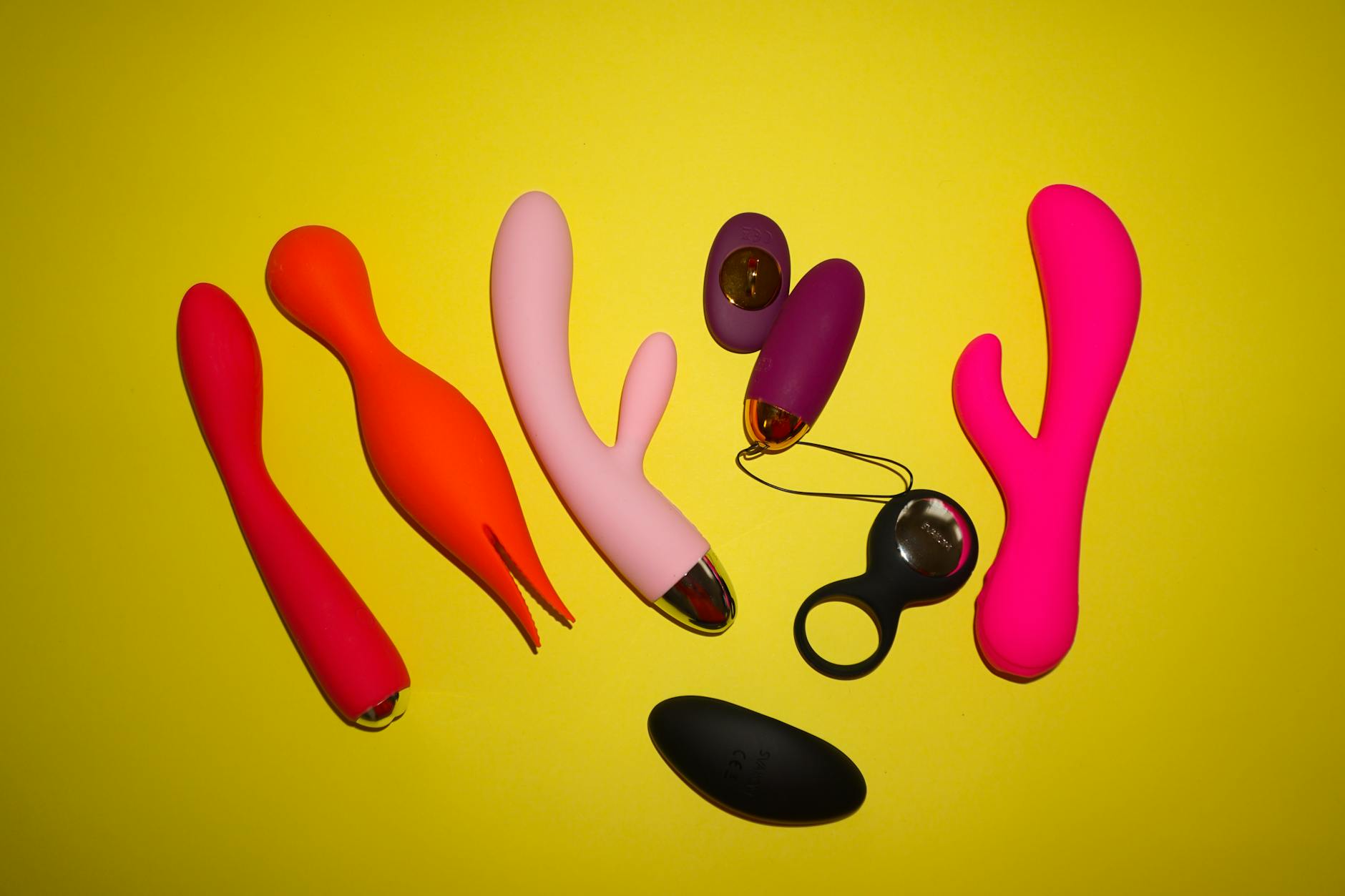
Photo by cottonbro studio on Pexels
Addressing the specific concerns that come up
"Will you not want me to touch you anymore?"
This is the inadequacy fear. Here's what you say: "Using a vibrator doesn't mean I don't want your touch. It means I want both. The way a vibrator feels is different from the way your hands feel, and they both matter. Think of it like... I love when you make me dinner, and I also like going to a restaurant. One doesn't replace the other."
Then offer to use it together in a way that keeps them involved. Many partners feel way less threatened if they're holding the vibrator, or if they're inside you while you use it, or if it's part of a whole experience rather than something you disappear into alone.
"I feel like you're saying I'm not enough."
This needs a direct response: "That's not what I'm saying at all. You're enough for me. What I'm saying is that my body has things it likes, and a vibrator can help me experience those things more fully. That doesn't diminish what we have. It adds to it."
You might also ask: "Do you use other tools to make things better? Like, you work out at the gym, but that doesn't mean my company isn't enough. You read books, but that doesn't mean my conversation isn't good. Why is sex different?"
"I don't really understand how it works or what I'm supposed to do."
Excellent. This one is actually easy. Show them. Seriously. Pull up product photos of the Lem or whatever lemon clitoral vibrator you're interested in. Explain the suction sensation. If there's a manual or a YouTube demo (Lem Hello Nancy Shop has great content), watch it together. Demystification kills a lot of resistance on its own.
You could also say: "I want to figure this out together. Like, I don't expect you to know how to use it automatically. We'll experiment. You can be involved in figuring out what feels good." That reframes it as collaborative exploration, not something you're doing to or around them.
"It feels like admitting something's wrong with us."
Address the root here: "Nothing's wrong with us. I actually think this is a sign that our intimacy matters enough to me that I want to explore it more. That's healthy. Couples who talk about pleasure and try new things together tend to stay more connected long-term. I'm not bringing this up because I'm unhappy. I'm bringing it up because I want to stay happy and curious with you."
Making the actual introduction collaborative
Once your partner has moved from "no way" to "maybe," here's how to keep the momentum:
Start with talk, not touch. Share what you've learned about lemon vibrators or clitoral vibrators in general. Make it educational. "Did you know the suction sensation works really differently than a traditional vibrator? It doesn't rely on vibration at all. It's designed to feel more gentle but also more intense in a concentrated way." This is interesting. It's not scary.
Let them see it first. When you bring it home (or order it), show it to them. Let them hold it. See how it's designed. The physical reality is almost always less threatening than the imagined version. The Lem, for example, is small and elegant. It doesn't look clinical or intimidating. That matters.
Set the tone that this is about exploration, not performance. Say something like: "When we try this, I want us to both feel relaxed. If it's awkward, that's fine. If it feels good, great. If it feels weird, we can stop. There's no pressure here." Lower stakes = lower anxiety.
Start small and separate. Your partner might feel more comfortable if the first time is just you using it on your own while they're nearby, or while they're touching you, or while you're in the same room. They don't have to be the one operating it from day one. Let them ease in.
When they see how engaged you become, how much pleasure it gives you, something shifts. Suddenly it's not about them being inadequate. It's about them getting to be part of something that makes you light up.
The longer conversation about desire and pleasure
Honestly though, this moment is also an invitation to a bigger conversation. If you're wanting to introduce a lemon clitoral vibrator to your relationship, there's probably something deeper worth naming. Maybe you want more pleasure. Maybe you want more experimentation. Maybe you want to feel more sexual agency.
Your partner needs to understand what that's about. Not so they can fix it (they can't), but so they understand what's driving it. Read some of our other resources together. Check out how couples use lemon vibrators for better communication. Talk about what pleasure means to both of you. Talk about what intimacy actually looks like for you. These conversations often matter more than the vibrator itself.
When resistance is about something else entirely
I want to name this because it's important: sometimes a partner's resistance isn't about the vibrator. It's about disconnection, or control, or deeper resentment. If your partner is rigid about this and won't engage with the conversation at all, that might be worth exploring with a therapist. Not because there's something wrong with wanting a vibrator, but because healthy relationships require both partners to be open to each other's needs.
That said, most resistance softens once the actual conversation starts. People are defensive about things they don't understand. Understanding usually helps.
FAQ
What if my partner says they'll never be comfortable with it?
Then you have a choice: let it go, or recognize that this might be a deeper issue worth exploring together. If vibrators genuinely matter to you (and your pleasure matters), you get to prioritize that. But the conversation becomes less about "convincing them" and more about understanding whether this reflects a bigger gap in how you both see pleasure, autonomy, or intimacy.
Should I use it solo first or wait until they're ready?
Up to you. Some people find that using it alone and then sharing the experience feels less pressured. Others worry that using it solo without their partner knowing feels like a secret. Think about what fits your relationship's culture around sexuality. If you typically explore together, wait. If you have more independent approaches to pleasure, solo use first is fine.
What if they agree but then seems uncomfortable during actual use?
Stop. Check in. "Hey, this isn't working for you. What's going on?" They might need a different kind of touch that day. They might be feeling insecure. They might just need you to take the lead differently. Don't push through. These moments are about building trust, not pushing boundaries.
Is there a "best" lemon vibrator to start with for a resistant partner?
The Lem is genuinely good for this because it's small, beautiful to look at, doesn't feel clinical, and has a learning curve that feels fun rather than intimidating. But honestly, the vibrator matters less than the conversation. If the conversation goes well, almost any quality lemon clitoral vibrator will work.
How do I bring it up if we've been together for decades and never talked about toys?
The longer you've been together, the more important context matters. You might say: "I've been thinking about our intimacy, and I realize we've never really explored things together. I don't want to assume you wouldn't be open to it. I'd love to know what you've thought about, and I want to share some ideas too." Frame it as getting to know each other better, not as fixing something broken.
What if my partner suggests using a vibrator but I'm the resistant one?
Flip the framework. Listen to what they're actually saying (which is likely "I want more pleasure" or "I want us to explore together"). Ask questions. Explore your own hesitation separately from the conversation. Often, resistance to a partner's pleasure comes from our own discomfort with our sexuality. That's worth examining, preferably with a therapist.
Introducing a lemon vibrator doesn't have to be a big dramatic moment. It can be a conversation, then an exploration, then just part of how you two are intimate together. The resistance you're sensing right now is just fear of the unknown. Once the unknown becomes known, most of that fear dissolves. Your job is to make the transition from unknown to known feel safe, collaborative, and rooted in care. That's it. That's the whole thing.