Let's be real about grief and your body
Grief is a full-body experience. It doesn't just live in your chest or your mind. It lives in your nervous system, your muscles, your skin. And one of the first things it does is shut down pleasure. Not because you're broken or depressed (though grief can lead there). It's because your body is in survival mode, conserving energy, protecting itself. Pleasure feels frivolous when you're grieving. It feels disloyal. Sometimes it feels impossible.
But here's what nobody tells you: reconnecting with pleasure after loss is not selfish. It's an act of survival and resilience. It's your nervous system learning it's safe to feel good again. And it doesn't have to be rushed, forced, or performed. It can be slow, curious, and entirely on your terms.
Why grief numbs sensation in the first place
When you lose someone important, your brain releases a cascade of stress hormones. Cortisol floods your system. Your nervous system switches to high alert. Blood flow pulls away from your extremities and redirects to your brain and heart. Pleasure pathways literally go dormant because your body has decided that survival matters more than sensation.
Add to that the emotional weight: guilt for feeling good when someone you love is gone. Numbness that feels safer than feeling anything at all. The sense that pleasure belongs to a version of yourself that no longer exists.
Your body isn't broken. It's following ancient survival programming.
The nervous system retraining that actually works
Rebuild pleasure the same way you rebuild trust: slowly, with evidence that it's safe. Not through willpower or pushing yourself. Through nervous system retraining.
Start with non-sexual touch. A warm bath. A massage. Lotion on your hands and feet. Your skin has thousands of nerve endings waiting to remember sensation. Let them remember before you ask your clitoris to perform.
Next, introduce novelty in low-stakes situations. Wear a soft fabric you don't usually wear. Notice textures. Eat something you love slowly, actually tasting it. Your brain is learning that it's okay to notice sensation again.
Then, when you're ready, introduce intentional touch. Not penetration. Not orgasm-chasing. Just your own hands, your own pace. Many people find that air-suction tools like the Lem work particularly well in this phase because they're intuitive, gentle, and don't require the performance of traditional vibrators. The stimulation is different from what you might have known before grief. It's new. It doesn't carry the same weight of memory.
How lemon clitoral vibrators fit into the healing timeline
Lemon vibrators, including the Lem, are engineered for sensitivity. They use air-suction stimulation rather than traditional vibration, which means they work beautifully for bodies that are numb, disconnected, or rebuilding sensation. You can start at the gentlest setting and work up at your own pace. There's no expectation. No performance.
Here's why this matters in grief specifically: traditional vibrators often feel like they demand a response from your body. Orgasm or nothing. The Lem doesn't demand anything. It just offers sensation, and you decide what to do with it.
Start with this: spend 10 minutes with yourself, without pressure to feel anything. Use the Lem on settings 1-2. Notice. Don't chase pleasure. Just notice what your body is doing. Some days you'll feel nothing. Some days you'll feel a spark. Both are data. Both are progress.

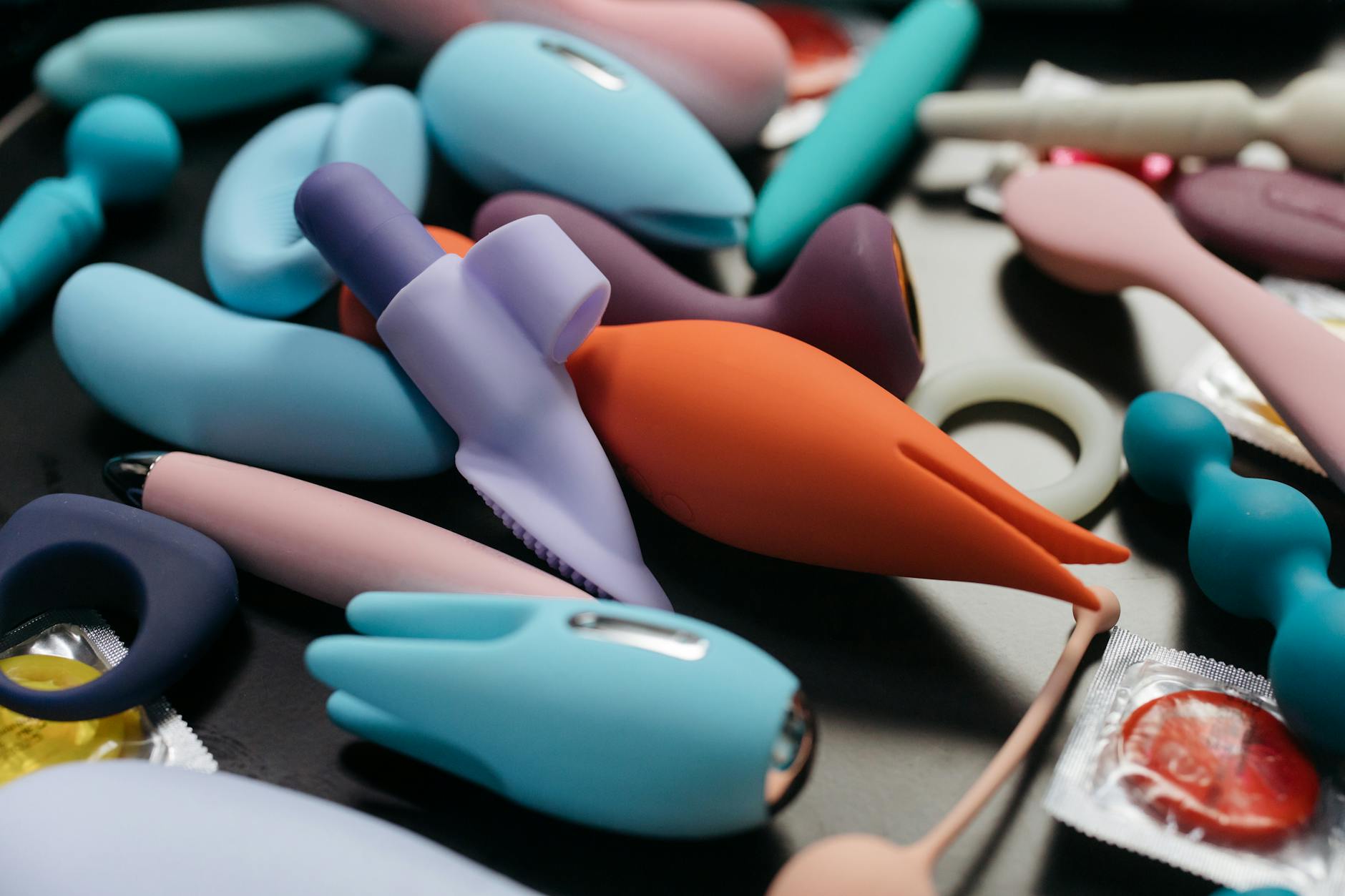
Photo by cottonbro studio on Pexels
The mental side: permission and rituals
Your body might be ready before your mind is. You might feel guilty the moment pleasure starts to build. That's normal. That's not a sign you're doing something wrong.
Here's what helps: reframe pleasure as an act of self-respect, not self-indulgence. Your person wouldn't want you numb forever. Your nervous system needs to know pleasure is safe. Rebuilding pleasure is rebuilding yourself.
Create a ritual around it. Light a candle. Choose a specific time. Make it intentional, not impulsive. This tells your nervous system: this is safe, this is planned, this is honoring myself. Rituals matter because they move you from survival mode into intention.
If you have a partner, let them know you're rebuilding this part of yourself. You don't have to invite them in immediately. This might be solo work first. And that's not rejection. That's good sense. You need to find your own pleasure again before you can share it.
When to involve a partner
If you're partnered and grieving (losing a parent, a child, a friend, shared loss), grief often shows up as disconnection from each other. When you're rebuilding intimacy, lemon vibrators can be a tool for reconnection, but only if both of you are ready.
Honestly, the most important step is conversation. Tell them what you're doing. Tell them it's not about them. Tell them if you need space or if you want them nearby. Grief is isolating. Don't let it isolate you from your partner through silence.
When you do bring them in, start with presence, not performance. Sit together. Use the Lem together. Watch how your body responds. Many couples find that introducing a new tool actually reduces pressure because it shifts the focus from "performing" to "exploring together." The pleasure device becomes a third presence in the room, redirecting expectation away from perfect orgasms and toward connection.
The timeline nobody talks about
Rebuild pleasure in weeks or months, not days. Some people regain sensation in a few weeks. Others take a year. There's no normal timeline for this because there's no normal grief timeline.
Your first orgasm after loss might happen at month three or month eleven. When it does, it might feel different: quieter, more grounded, less urgent than before. That's not loss. That's growth. You're not the person you were before grief. You're the person becoming after it.
Let pleasure be surprising. Let it be gentle. Let it be enough.

Photo by Anna Shvets on Pexels
Moving beyond guilt
Here's the truth that changes everything: pleasure while grieving is not betrayal. It's proof that life continues. It's proof that you're still here, still capable of feeling, still deserving of good sensation.
Your person isn't gone because you have an orgasm. The loss doesn't get worse. You don't love them less. You're just honoring the fact that you're alive and your body still works and you deserve to feel good again.
Grief doesn't end. But the numbness does. And when it does, pleasure becomes part of how you stay embodied, how you stay alive, how you honor yourself in the wake of loss.
Frequently asked questions
Can I feel pleasure again after losing someone important?
Yes. Your capacity for pleasure doesn't leave with the person you've lost. Your nervous system is just in protective mode right now. With time, patience, and the right tools, sensation returns. Many people find their pleasure actually deepens after grief because they stop taking it for granted.
How long does it take for numbness to go away after grief?
There's no set timeline. Some people feel the first spark of sensation in weeks. Others take months or longer. The key is not forcing it. Grief numbness is your nervous system protecting you. Trust the timeline. Pushing past it doesn't speed healing.
Are lemon vibrators gentler than other types?
Lem Hello Nancy Shop's lemon clitoral vibrators use air-suction rather than traditional vibration, which many people find more intuitive and less overwhelming. They're particularly useful for people rebuilding sensation because you can start at the gentlest setting and work up at your own pace. The stimulation feels different, which can help you disconnect from old patterns and discover something new.
Is it normal to feel guilty about pleasure while grieving?
Completely normal. Guilt is part of grief. Your brain might tell you that pleasure is disloyal or inappropriate. That's a grief story, not the truth. Rebuilding pleasure is rebuilding your capacity to be alive. That's not selfish. That's survival.
Should I tell my partner I'm using lemon vibrators to rebuild pleasure after loss?
If you're partnered, honesty helps. You don't have to invite them in immediately. This might be solo work first. But silence creates distance when you need connection most. A simple conversation like "I'm rebuilding my connection to pleasure, and I need some solo time to do that" opens doors instead of closing them. If your partner cares about you, they'll understand.
What if pleasure still feels impossible months in?
That might be depression layered under grief, and that's worth exploring with a therapist. Grief and depression are different. Grief has waves. Depression is flatter, more persistent. If numbness isn't shifting, professional support isn't weakness. It's wisdom.
The light at the other end
Grief changes you. It doesn't end. But the numbness does eventually soften. And when it does, pleasure becomes an anchor, a way of saying yes to life again, a way of honoring both the person you've lost and the person you're becoming. That reconnection starts with permission. Then patience. Then tools that respect your pace. That's what the Lem is built for. Not performance. Not pressure. Just slow, intentional rebuilding.