Let's talk about the numbness nobody warns you about
You've used vibrators before. They worked. Now they don't, or they barely do, and you're starting to wonder if something's broken inside you. It's not. What's changed is how your clitoris is responding to stimulation, and that's actually more common than you'd think.
Reduced clitoral sensitivity isn't a single condition. It's a symptom that can show up after years of the same toy, from medications, from hormonal shifts, from nerve compression, or just from the accumulated wear of life. The frustrating part is that most people assume their body is the problem. The real issue is often the tool.
Why traditional vibrators stop working
Most vibrators work through direct mechanical stimulation. They buzz. They rumble. They tap at high frequency against tissue that's supposed to translate that motion into pleasure. When sensitivity declines, those vibrations become background noise. You're cranking the intensity higher. The toy gets hotter. Nothing changes. You feel frustrated, then you stop trying.
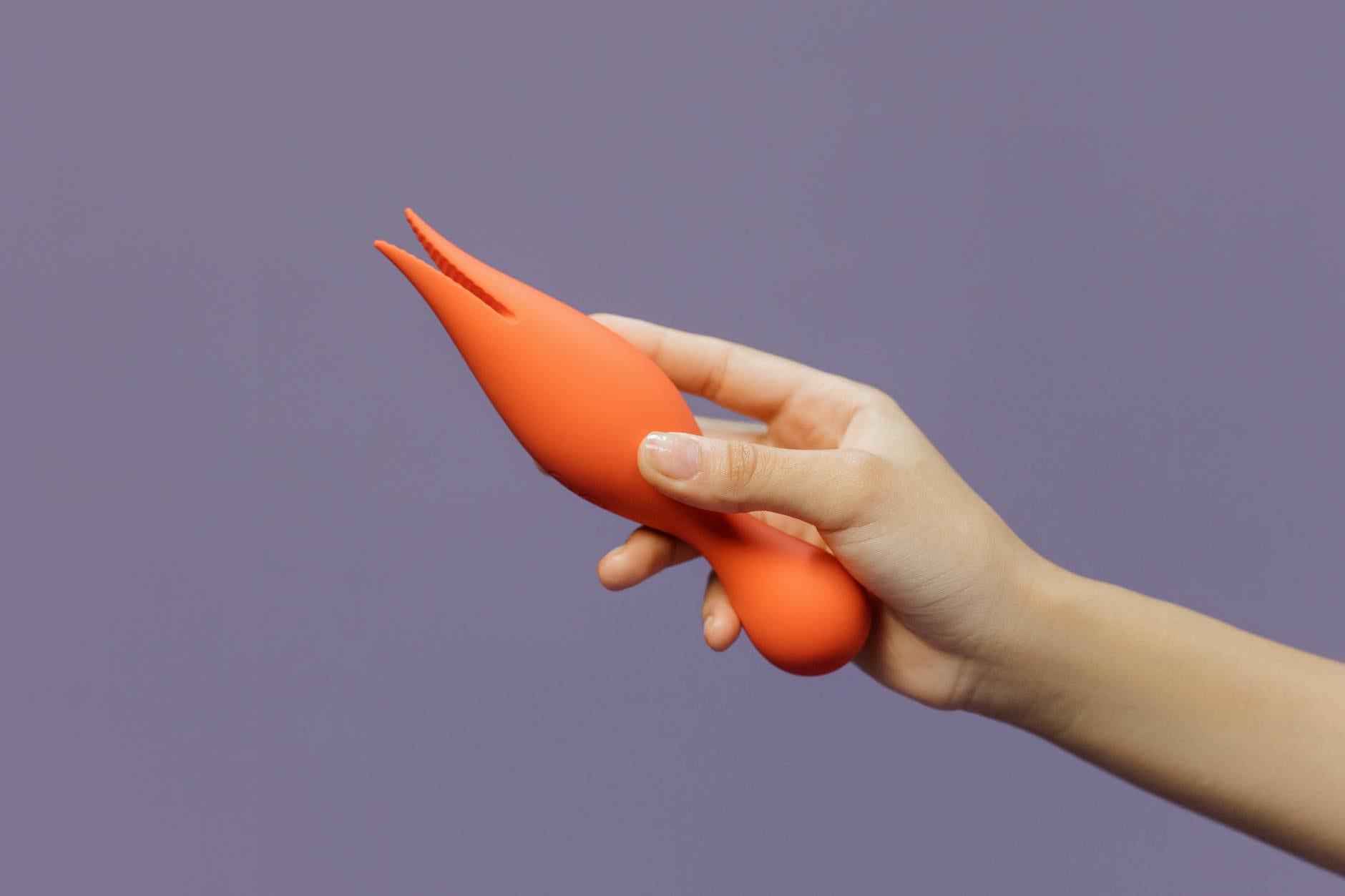
This is where lemon vibrators, which use air-suction technology, function completely differently. Instead of pushing vibration into tissue, they create a gentle seal and pulse suction. That's not a small distinction. It's a neurological one.
The clitoris has between 8,000 and 16,000 nerve endings concentrated in a tiny area. When sensitivity drops, those nerves haven't disappeared. They've become less responsive to certain types of stimulation. Suction activates different neural pathways than vibration does. For many people with reduced sensitivity, that shift is the difference between feeling something and feeling nothing at all.
The physiology that makes lemon clitoral vibrators work
Here's the mechanism. Traditional vibrators stimulate through fast, repetitive pressure waves. That works great when your nervous system is primed to receive that signal. When sensitivity has declined, you're asking a desensitized system to respond to the same input it's already learned to ignore.
Air-suction technology, like the kind in a lemon vibrator, creates a different sensation. The pulse activates nerve endings through pressure changes rather than through friction. Think of it less like tapping a drum and more like gently squeezing and releasing. That creates a novel stimulus that your nervous system hasn't already tuned out.
This is why people often report that lemon clitoral vibrators feel more intense even at lower settings. You're not hitting a plateau where more power equals more pleasure. You're accessing a completely different channel of sensation.
When sensitivity drops and why
Reduced clitoral sensitivity can come from several places. Medications like SSRIs, birth control, and blood pressure drugs are known culprits. Hormonal shifts, whether from perimenopause, menopause, or thyroid issues, can change tissue thickness and nerve responsiveness. Long-term use of the same toy at high intensity can cause temporary desensitization. Pelvic floor tension, paradoxically, can numb sensation even though the area feels tight.
In relationships, I often see this happen when one partner has been using a vibrator solo for years and then that tool stops working. The numbness isn't a personal failure. It's biology responding to familiar input by filtering it out. Your nervous system is smart enough to stop paying attention to stimuli it encounters constantly.
If you've been using traditional vibrators at high intensity multiple times a week, your clitoris has literally learned to tune that frequency out. Taking a break helps. But switching to a completely different technology, like a lemon sucker, can reset that dynamic without requiring abstinence.
The suction advantage for sensitivity loss
One of the clearest advantages of lemon vibrators for people with reduced sensitivity is that they work well across a wider range of settings. A traditional vibrator at level 2 might feel like static. A lemon clitoral vibrator at level 2 often creates a distinct, pleasurable sensation.
This matters because it gives you flexibility. You're not locked into using the toy at maximum intensity just to feel something. That's important for several reasons. First, using a toy at maximum intensity when you're trying to recover sensitivity actually works against you. You're asking your nervous system to process more input, but the input is still the same type it's already filtering out. Second, lower settings tend to feel better over time. They allow your body to warm up to sensation gradually instead of overwhelming it.
Many people report that when they switch to a lemon clitoral vibrator, they can actually feel subtler patterns and rhythms that they'd never notice on a traditional vibrator. That's because the suction sensation is operating on a different neural circuit. You're accessing sensation pathways that haven't been numbed by repetition.
Recovery strategies beyond just switching toys
Switching to a lemon vibrator isn't magic, but it's often the most important part of recovering sensation. It removes the frustration of using a tool that doesn't work anymore, which matters more than people realize. Frustration during sex kills arousal. Arousal is what wakes up sensitivity.
Beyond the toy change, a few other things help. Taking 1-2 week breaks from vibration entirely, if possible, resets your nervous system's baseline. During those breaks, manual stimulation keeps sensation alive without the repetitive input. Pelvic floor relaxation, either through breathing or through gentle stretching, helps if tension is part of the numbness. And honestly, slowing down the entire experience. Arousal takes longer to build when sensitivity is already compromised. Budget 20-30 minutes instead of 10.
If you're in a relationship, the conversation matters too. This isn't a personal failing. It's a physiological response that happens to lots of people. The fix isn't about trying harder or wanting it more. It's about using better tools and giving your body time to recalibrate.
When to talk to a doctor
If reduced sensitivity appeared suddenly, came with pain, or happens alongside other symptoms like fatigue or mood changes, that's worth discussing with a healthcare provider. Those could signal medication side effects, hormonal imbalances, or other conditions that benefit from professional attention.
For people on SSRIs, switching medications or adjusting timing can sometimes help. For hormonal issues, topical treatments or hormone therapy might be relevant. The point is, if there's an underlying cause beyond normal desensitization, addressing it first makes switching toys more effective.
But for simple desensitization from repetitive use or gradual sensitivity loss over time, the lemon vibrator approach works. You're not trying to force your body to respond to the same stimulus. You're giving it a new one.
Rebuilding sensitivity is about reset, not force
One last thing I want to emphasize to couples and solo folks alike. Reduced clitoral sensitivity isn't permanent unless you treat it like it is. Your nervous system is responsive. It's just adapted to its current input. Give it different input. Give it time. Give it arousal and curiosity instead of pressure and frustration. That's where lemon clitoral vibrators fit in. They're not a workaround for a broken body. They're a way to speak to your body in a language it's actually listening to right now.
The best vibrator is the one that creates sensation. When traditional toys stop doing that, switching to air-suction technology like a lemon sucker isn't settling. It's solving the actual problem instead of just pushing harder on the same broken tool.
People also ask
Can reduced clitoral sensitivity come back completely?
Yes, in most cases. Your nervous system has remarkable capacity to resensitize when the input changes. If you've been using the same toy at maximum intensity, taking a break and switching to something like a lemon vibrator typically restores sensation within 2-4 weeks. If sensitivity loss is from medications or hormones, addressing those causes works. The key is changing what you're doing. Your body will respond.
Why does my clitoris feel numb even during partnered sex?
That usually signals one of three things. First, desensitization from toy use, which switching to a lemon clitoral vibrator addresses. Second, pelvic floor tension, which actually numbs sensation despite feeling tight. Relaxation work helps. Third, hormonal or neurological causes that benefit from medical evaluation. If it's only during partnered sex and not solo, the context matters too. Anxiety, performance pressure, or insufficient arousal time can all mimic numbness.
Do lemon vibrators feel uncomfortable if my sensitivity is very low?
Not usually, because suction stimulates differently than vibration. Many people with very low sensitivity to traditional vibrators report that lemon clitoral vibrators feel gentle and accessible. Start at the lowest setting. The sensation often feels more pronounced than it does on traditional toys, even at lower intensities, so you're not pushed into uncomfortable territory. If suction itself feels weird at first, that's normal. Your nervous system is learning a new sensation language.
Will taking a break from vibrators help more than switching toys?
Both together work better than either alone. A break resets your baseline. Switching to a lemon vibrator then allows you to use suction during that reset instead of abstaining completely. For many people, that's psychologically easier and maintains connection to pleasure. If you take a break without switching toys, you risk returning to the same sensitivity problem when you resume.
How long does it take to recover sensitivity with a lemon clitoral vibrator?
Most people notice improved sensation within 1-2 weeks of regular use. The nervous system adapts quickly when it encounters novel input. That said, if sensitivity loss is from medications or hormonal shifts, addressing those factors accelerates recovery. And if pelvic floor tension is part of it, relaxation work speeds things up. Patience matters. You're not forcing sensation back. You're inviting it.
Can I use a lemon vibrator if I'm completely numb down there?
Yes, and it's often the best choice. Complete numbness usually means traditional vibrators genuinely aren't working. A lemon sucker accesses sensation through a different mechanism, so even if vibration feels like nothing, suction might create the first real sensation you've felt in months. That's powerful, both physically and psychologically. It resets the belief that you're broken.