Here's the thing nobody wants to say out loud
Antidepressants save lives. They also change how your body experiences pleasure, sometimes dramatically. Most people don't know this until it happens to them. Then they're caught between two impossible choices: stay on medication that keeps them stable but makes sex feel distant, or quit the meds to feel "normal" again. That's a false choice.
The shift in sensation is real, measurable, and happens to most people taking SSRIs (selective serotonin reuptake inhibitors). But it's also fixable. Lemon clitoral vibrators, with their unique suction mechanism, often help restore sensation and orgasm intensity in ways traditional vibrators can't. Let me walk you through what's actually happening in your body and what you can do about it.
How SSRIs reshape your nervous system
SSRIs work by increasing serotonin availability in your brain. That's what lifts depression and anxiety. But serotonin also regulates arousal, sensitivity to touch, and the neural cascade that leads to orgasm. When serotonin levels shift, so does the entire sexual response cycle.
This isn't a side effect that only happens to a few unlucky people. Research shows that 40-60% of people on SSRIs experience some form of sexual dysfunction. The mechanism isn't broken arousal, it's dampened sensation. Your nervous system has literally recalibrated what counts as stimulation.
The clitoris has an incredibly dense network of nerve endings, and SSRIs affect how quickly those nerves fire. It's not that pleasure disappears. It's that it takes longer to build, feels less intense, and sometimes requires completely different types of input to reach the same place you used to reach easily. This is called delayed orgasm or reduced orgasm intensity, and it's one of the most underreported side effects of psychiatric medication.
Why lemon vibrators and suction-based devices help differently
Most vibrators work through oscillation. They buzz back and forth at high frequencies. That's fine, but for someone on an SSRI, the sensation can feel like background noise. Your desensitized nervous system filters it out.
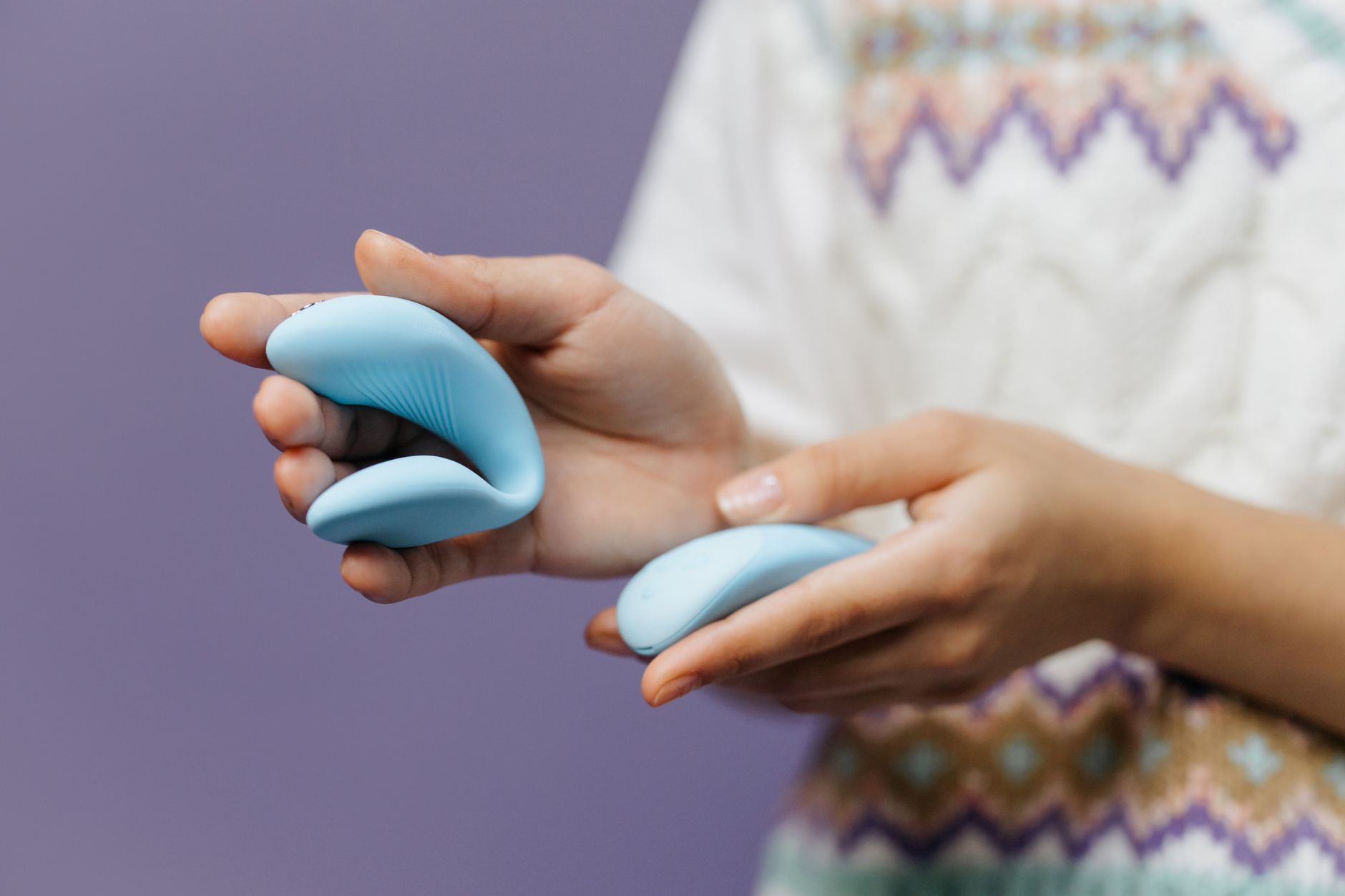
Lemon clitoral vibrators use air-pulse suction technology. Instead of vibration, they create a gentle suction pattern that pulls the clitoral tissue upward, then releases. This stimulates the entire clitoral structure, not just the surface nerves. For people on SSRIs, this often feels like a completely different sensation category. It's more intense without being sharp. It's focused without being narrow.
Many of my clients report that after switching to a suction-based lem vibrator, they experienced orgasms for the first time in months or years on their current medication. This isn't a miracle cure. It's biomechanics meeting physiology.
The timing question that matters
When you start an SSRI, sexual side effects typically appear within the first 2 to 4 weeks. But here's the clinical twist: some people adapt over months. Sensation sometimes returns partially or fully as your body acclimates to the new serotonin baseline. Others experience persistent side effects for as long as they're on the medication.
This means the answer to "will I ever feel normal again" is sometimes yes, and sometimes not without adjusting your protocol. It's not about willpower or trying harder. It's neurobiology.
If you're in the first few weeks of an SSRI and noticing changes, don't assume it's permanent yet. If you're six months in and nothing has shifted, it's worth talking to your prescriber about dose adjustment, timing of doses, or switching medications. Some SSRIs have lower rates of sexual side effects than others. Sertraline and fluoxetine have higher rates. Bupropion actually tends to increase sexual desire.
What you can actually do
Three practical shifts that help my clients restore pleasure while staying on their medication.
Switch the input, not the medication. This is where lemon adult toys and other clitoral suction devices enter the picture. If vibration isn't working, air-pulse stimulation often does. Give yourself permission to explore different types of sensation without shame. Your nervous system has changed. The tools need to change with it.
Build in more foreplay time. SSRI-related sexual dysfunction often means arousal takes longer to build. Budget 20-30 minutes minimum. This isn't wasted time. Extended foreplay often leads to more satisfying sensations overall, regardless of medication.
Consider timing your dose. If you take your SSRI in the morning, peak medication levels are still climbing by evening. Some people find that sex feels better if they time it for morning, when the previous dose is beginning to metabolize. Talk to your prescriber about whether this matters for your specific medication. It varies widely.
Rebuild sensation gradually. This is especially important if you've been avoiding sex because it feels disappointing. Start with solo exploration. Use your lemon lem vibrator without any pressure to orgasm. The goal is sensation, not outcome. This rewires your brain to expect pleasure instead of frustration.
When to loop in your doctor
If sexual dysfunction is significantly impacting your quality of life, tell your prescriber. This is not whining. This is medicine. The conversation goes: "I'm stable on my current dose, but sexual side effects are affecting my relationship and self-esteem. What are my options."
Your options typically include dose adjustment (sometimes lowering the dose helps), switching to a different SSRI or class of antidepressant, or adding a medication specifically to reverse sexual side effects (like bupropion or buspirone). None of these choices means sacrificing your mental health.
One thing worth knowing: people often assume the solution is to stop the antidepressant. That's rarely the right call. Depression and anxiety untreated are far more destructive to sexuality and relationships than medicated versions of these conditions.
The partner conversation, if you have one
If you're in a relationship, your partner might notice the shift before you fully register it yourself. They might interpret slower arousal or delayed orgasm as disinterest in them. It's not. It's neurobiology. That conversation matters.
The frame that helps: "My medication is changing how my body responds to stimulation. This isn't about you or how much I want you. It's about how my nervous system processes sensation right now. We're going to figure this out together, and it might involve exploring new types of stimulation, like lemon clitoral vibrators."
Most partners are relieved to know it's not rejection. And many enjoy the exploration of new sensation types together.
What actually changes back
If you ever stop the medication (with your doctor's guidance), sexual sensation usually returns within a few weeks, sometimes faster. Your nervous system is plastic. It will reset. But this process takes time, and it's gradual. Don't expect the switch to flip overnight.
Moreover, if you've spent months feeling disconnected from pleasure, your brain might need time to remember how to access arousal. This is why the solo exploration phase matters. It's not just about sensation. It's about rebuilding your relationship with your own desire.
FAQ
Do all antidepressants cause sexual side effects?
No. SSRIs have the highest reported rates (40-60%), but atypical antidepressants like bupropion often don't. Tricyclic antidepressants are hit or miss. If sexual dysfunction is a serious concern for you, have this conversation with your prescriber before starting medication, not after. There are options.
Can I take something to reverse SSRI sexual dysfunction?
Sometimes. Bupropion (Wellbutrin) is sometimes added specifically to counter sexual side effects. Buspirone is another option. Sildenafil (Viagra) occasionally helps, though not universally for people on SSRIs. The point is: talk to your doctor. Don't just accept it.
How long does it take for sexual sensation to stabilize on an SSRI?
Usually 4-8 weeks. Some people stabilize faster. Others take months. If you're past 8 weeks and nothing has improved, that suggests your particular nervous system isn't adapting to this specific dose or medication. This is worth flagging to your prescriber.
Will using a lemon clitoral vibrator help if I'm on an antidepressant?
Maybe, maybe not, but lemon suction-based vibrators have high success rates for people experiencing SSRI-related sexual dysfunction compared to traditional vibrators. The mechanism is different, and sometimes different is exactly what your desensitized nervous system needs. It's worth trying.
Is it normal to lose interest in sex entirely on antidepressants?
Partially diminished libido is common and usually temporary. Completely absent desire is less common and often signals that dose or medication type needs adjustment. Don't accept total sexual shutdown as unavoidable. It usually means something in your protocol needs tweaking.
Should I stop taking my antidepressant to get my sex drive back?
No. The risks of untreated depression and anxiety far outweigh sexual side effects. Talk to your prescriber about solutions instead. They exist.
You don't have to choose
Stability and pleasure aren't mutually exclusive. The shift you're feeling on your SSRI is real, measurable, and also manageable. Whether that means exploring new types of stimulation like lemon vibrators, adjusting your medication protocol, or building in more intentional foreplay, you have agency here. Your mental health matters. Your sexual pleasure matters too. Both can coexist with the right information and support.