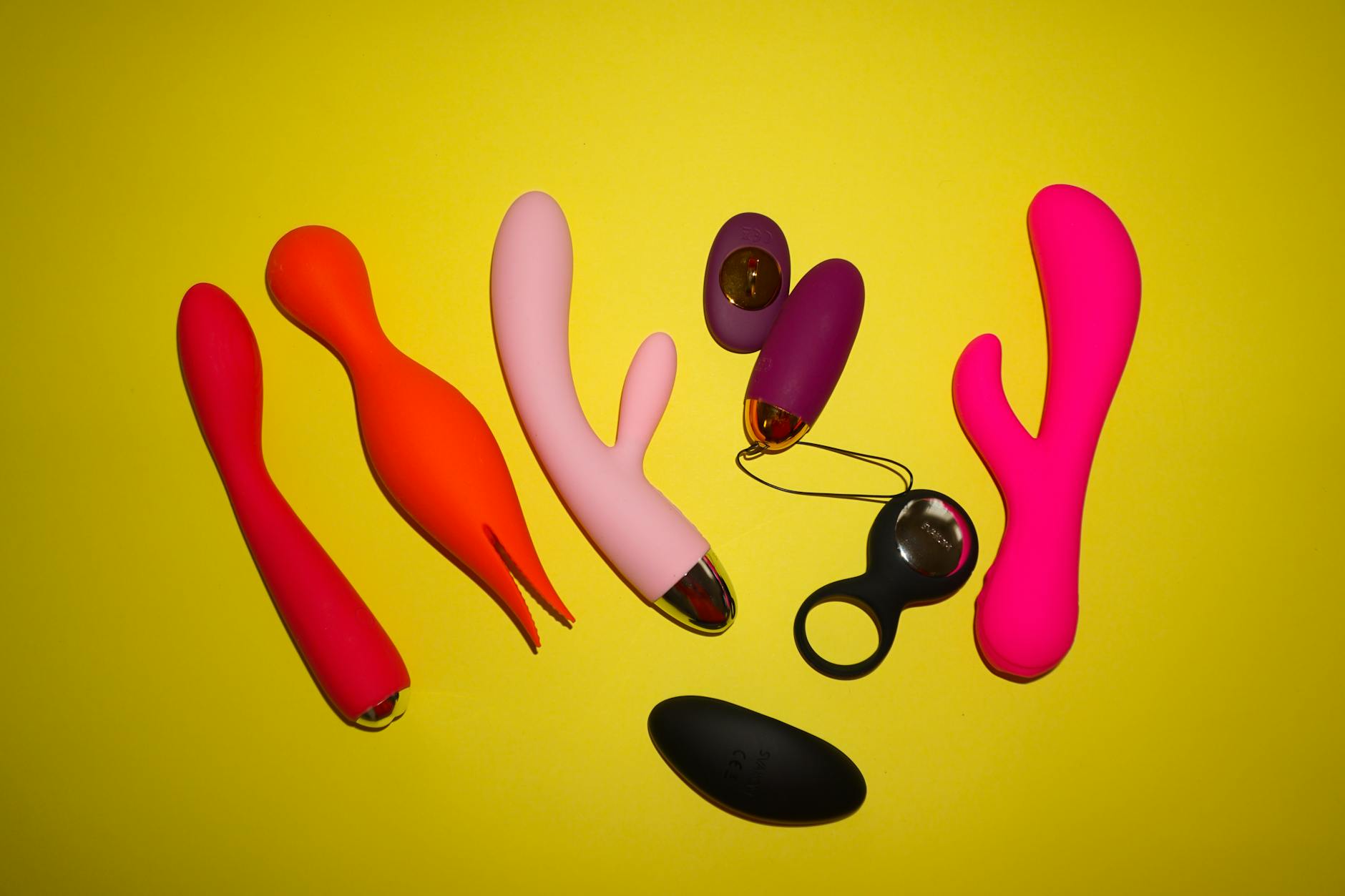
Let's be real about mismatched desire
One of you wants to bring toys into the bedroom. The other isn't sure. Or one of you wants more intensity, more frequency, more experimentation. The other feels overwhelmed or pressured. Or maybe you both want pleasure, but you want it in completely different ways, at different speeds, with different tools. This is one of the most common friction points I see in relationships, and it's also one of the most solvable.
The problem isn't the mismatch. The problem is pretending the mismatch doesn't exist.
Here's what I know from two decades of working with couples: when one partner introduces a lemon clitoral vibrator or any other toy without the other partner fully on board, it often becomes a symbol of something bigger. It says "I want more than you're giving me" or "I'm not satisfied" or "You're not enough." None of those things may be true, but toys can carry that weight. That's why the tool itself matters less than the conversation that comes before it.
Why the conversation has to come first
Too many couples try to solve this problem by just buying the toy and hoping it fixes things. It won't. What actually works is understanding why the preferences are different in the first place.
Maybe one partner needs external clitoral stimulation to orgasm, and the other doesn't. That's not a preference. That's neurology. Maybe one person experiences pleasure more slowly and needs 20 minutes of buildup, while the other peaks in 5. Different nervous systems, different timelines, same bed. Maybe one of you associates toys with performance pressure, while the other sees them as liberation. These are real, legitimate differences, and they're not going anywhere.
But here's what changes when you actually talk about them: you stop treating the mismatch as a failure. You start treating it as information.
The conversation structure that actually works
Pick a time that's not during sex. Not right before bed. Not when anyone's frustrated or tired. This conversation needs room to breathe.
Start by separating the two layers. "I want us to explore something new" is different from "I'm not satisfied." "My body responds differently than yours" is different from "You're not good enough." Get specific about which layer you're talking about.
Then name what you actually want. Not what you think you should want. Not what you think the other person wants to hear. The actual thing.
"I want more clitoral stimulation during sex, and I think a lemon clitoral vibrator could help both of us enjoy it more." That's honest. That's workable.
"I'm worried this means I'm not enough for you" is also honest. That needs to be heard separately from the toy conversation.
If your partner is hesitant, resist the urge to convince them immediately. Ask them what they're actually worried about. Usually it's one of three things: they're worried toys mean they're not enough, they're worried it will hurt or be uncomfortable, or they're worried about losing control of the experience. Those are three completely different problems with three completely different solutions.
When one partner is skeptical or anxious
If your partner has never used lemon sexual toys before, "just try it" isn't a strategy. That's a recipe for awkwardness and resentment.
Instead, frame it as exploration, not replacement. "I'd like us to figure out what feels good together, and I think this might help." There's a difference between "I want to use this instead of touching you" and "I want to use this in addition to everything we already do." Make that difference crystal clear.
You might also start by using it solo. Let your partner watch, if they're comfortable. Or use it on yourself while they're present but not involved. This removes the pressure of performance and lets them see that the toy is just a tool, not a threat.
If your partner is worried about sensation or discomfort, explain how lemon vibrators work. They're not harsh. Most lemon clitoral vibrators use suction or gentle pulsing, not intense buzzing. If your partner is worried about losing sensation or control, start with the lowest setting. Let them hold it. Let them guide where it goes.
The person who's skeptical should never feel like they're being tested or proven wrong. If they say "not now," that's a complete sentence. You come back to it later.
The actual mechanics of introducing it together
Once you're both on board, the physical part is the easy part. Here's what actually helps.
Timing matters. Introduce it when you're both already turned on, not as a cold opener. Your nervous system is already primed for pleasure, so a new sensation reads as exciting rather than shocking.
Communication during is essential. "Does this feel good?" "Do you want more or less?" "Should we slow down?" These aren't mood killers. They're connection builders. And they make your partner feel like their experience actually matters, which is the real point.
Start with low intensity. Most lemon vibrators have multiple settings. Use the gentlest one first. You can always turn it up. You can't un-turn it up once you've overwhelmed someone.
Have a plan for what's next. Are you using this as foreplay? During penetration? As the main event? Different contexts feel different, so naming it beforehand takes pressure off both of you.
One thing I tell couples is that the first time doesn't have to be perfect. It doesn't even have to feel amazing. It just has to feel like you're trying together. That's what actually matters.
When your desire timelines genuinely don't align
Here's the harder truth: sometimes mismatched desire isn't something you "fix" with a toy or a conversation. Sometimes it's structural. One person wants sex three times a week, the other wants it once a month. One person wants more exploration, the other wants simplicity. One person's pleasure builds slowly, the other's peaks fast.
In those cases, a lemon clitoral vibrator can actually help you both feel less resentful. If your partner uses it during solo time, you're both getting your needs met without pressure. If you use it together sometimes and don't other times, you've created flexibility. The tool becomes a way to honor both timelines instead of forcing them together.
But the real work is still the conversation. It's negotiating: "We both deserve pleasure. Sometimes that looks like X, sometimes it looks like Y. Here's how we make both of us feel valued." That's a couples conversation, not a toy conversation.
What often happens after the awkwardness settles
Most couples tell me that once they get past the initial weirdness and the communication about preferences, something shifts. The person who was hesitant often realizes the toy isn't about inadequacy. It's about understanding how their partner's body actually works. And the person who wanted to introduce it usually realizes that the real turn-on was being heard and included in the decision, not the toy itself.
Lemon sexual toys work best when they're not a Band-Aid for a communication problem. They work best when they're a tool you both chose to explore because you're curious about each other, not because one of you is trying to fix something.
That's the actual game changer. Not the vibrator. The fact that you're both willing to have the uncomfortable conversation, listen to what the other person actually needs, and find a way to honor both of you. The toy is just the physical expression of that.
FAQ
What if my partner refuses to ever try a toy with me?
That's information too. The question isn't "how do I convince them?" It's "what is this really about?" Are they worried about feeling inadequate? Are they uncomfortable with their own sexuality? Are they from a background where toys felt shameful? Once you understand the real barrier, you can actually address it. Sometimes the answer is "let's see a therapist together." Sometimes it's "we accept this difference and find other ways to feel connected." Both are valid.
Can lemon vibrators actually help with mismatched arousal?
Yes, but not because they're magic. Because they change the dynamic. If you need 25 minutes to reach orgasm and your partner reaches it in 8, a lemon clitoral vibrator can help you get there faster while they're still present and connected. That's not cheating. That's honoring your body's actual timeline.
Is it normal to feel awkward the first time using a toy together?
Completely normal. You're trying something new, there's vulnerability involved, and you're probably both a little self-conscious. The awkwardness usually disappears after the first or second time, once you realize nothing catastrophic happened.
What if I want to use a lemon vibrator and my partner wants something completely different?
Then you both get to have what you want. You're not obligated to like the same things. What you're obligated to do is respect each other's preferences. That might look like "I use this for solo pleasure" or "sometimes we do what I like, sometimes we do what you like."
How do I know if the mismatch is about the toy or about something deeper in our relationship?
If you're arguing about a toy, you're probably arguing about something else. The toy is just the argument's home address. Pay attention to the language. "You always want new things" or "You're not satisfied with me" usually signals that the real issue is about feeling valued, not about what's actually happening in bed. A toy conversation can't fix that. A relationship conversation can.
Can a lemon clitoral vibrator actually save a struggling sex life?
No. But it can be part of saving it. The real work is the communication, the willingness to understand your partner's body and needs, and the commitment to staying curious about each other. The vibrator is just the tool that comes after you've done the actual work.
The actual point
Mismatched pleasure preferences aren't a sign that something's broken. They're a sign that you're two different people with two different nervous systems, and you're trying to find a way to make it work. That's the real intimacy. A lemon vibrator is just a way to say "I'm willing to learn what makes you feel good, and I want you to help me get there." That conversation, more than anything else, is what actually changes things.