When "normal" becomes invisible
Let's be real: most couples hit a plateau. The sex doesn't disappear. It just becomes... efficient. You know the rhythm. You know what works. You know it'll take about fifteen minutes on a Wednesday night. And somewhere in that predictability, the actual desire gets buried under logistics.
The research backs this up. Long-term couples report that novelty drops sharply after the first few years, and with it, spontaneity and curiosity. But here's what people miss: you don't need a new partner to fix a rut. You need a new variable. Something small enough to introduce without feeling forced, but interesting enough to actually change the dynamic.
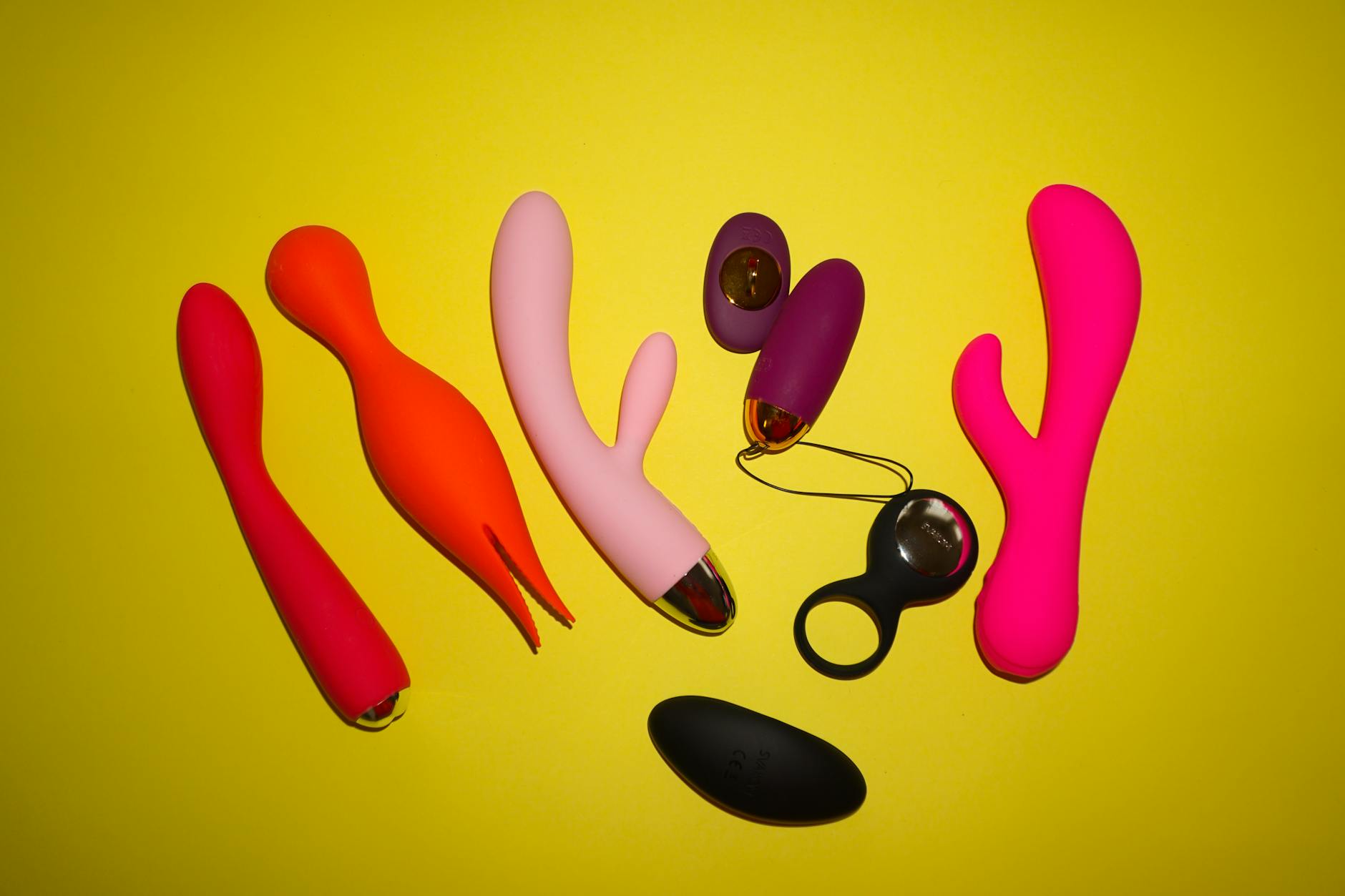
That's where a lemon clitoral vibrator enters the conversation.
Why lemon vibrators specifically change the game
Let me separate two things first. Using a vibrator isn't a sign that something's broken in your relationship. It's actually the opposite. It's a signal that you're willing to be curious about each other's bodies.
Lemon sexual toys, specifically lemon clitoral vibrators, work for couples in ruts because they do something most traditional vibrators don't: they reframe what pleasure looks like. The suction sensation is different enough to feel genuinely novel, even if you've been intimate with your partner for years. It's not just faster vibration. It's a completely different type of stimulation.
For someone who's felt stuck, that difference matters psychologically. New sensation pulls your brain out of autopilot. When your brain's engaged, so is the rest of you.
The conversation before you introduce it
Here's where most couples get it wrong. They either spring the toy on their partner (awkward and risky), or they have a serious, clinical discussion about "introducing toys" (also kills the mood). Instead, try this:
Pick a moment that's not sexual. Not in bed, not right before sex, not right after. Maybe you're making dinner, or driving somewhere. Say something like: "I've been thinking about how we've gotten kind of into a groove with sex, and I miss feeling curious about it. There's this thing I want to try. Would you be open to that?"
That's it. You're not criticizing. You're not asking permission like you're a teenager. You're naming the rut and inviting them to help solve it. If they seem hesitant, ask why. Maybe they're worried about their own adequacy. Maybe they think you're not satisfied. Have that conversation before you go shopping.
Once you've got basic buy-in, show them what you're considering. Not a lecture. Just: "I've been reading about lemon clitoral vibrators, and the way they work is actually different from what I expected. Want to see?"
Including your partner in the selection matters more than you'd think. It keeps it from feeling like a solo project.
How to actually introduce it the first time
Don't wait for the "perfect moment." There isn't one. Pick a time when you're both reasonably rested and in a decent mood. Not stressed about work, not tired, not mid-argument.
Start by using it on yourself while your partner watches. This does three things at once. First, it takes the pressure off them to perform or react perfectly. Second, it shows them exactly how it feels from your perspective. Third, it lets them see your pleasure response, which is often the hottest part for a partner anyway.
Keep it low-key. Don't make it theatrical. Don't narrate. Just: "I want to try this and I want you here while I do." Most partners find that combination genuinely sexy. You're letting them in, but you're not making it about them.
After you've used it solo a few times, then move toward partnered use. Maybe they hold it while you guide the pressure. Maybe they're just present while you use it yourself. The exact shape matters less than the fact that you're now doing something together that's different from your standard rhythm.
Rebuilding the actual rut (the first few times)
The first time you use a lemon vibrator together in a more integrated way, expect it to feel a little weird. You're adding a new object, a new sensation, probably some novelty awkwardness. That's fine.
What helps: take your time. Slow down the rest of the experience. If you normally get to penetration in five minutes, make this session about foreplay. Let arousal actually build. The clitoral stimulation from a lemon sucker is intense, which means it works best when you're already genuinely aroused, not just mechanically ready.
The other thing that helps is explicit communication. Not clinical. Just: "More" or "Different rhythm" or "Right there." Partners often have no idea what feels good unless you tell them. A lemon clitoral vibrator makes that feedback even more important because the sensation is so specific.
What you'll likely notice after a few sessions: spontaneity starts creeping back. Because now there's something to actually be curious about. "Should we try that again?" becomes a real question instead of a rhetorical one.
The deeper shift that happens
Here's what I've seen work for couples: introducing a new variable like this often breaks the script. And breaking the script is where real intimacy shows up.
When you're doing the same thing the same way, both partners can sort of zone out. There's muscle memory. There's assumption. But when you introduce something genuinely different, you both have to stay present. You have to pay attention to how the other person's responding. You have to adapt. You have to communicate.
That's not small. That's the stuff that actually rebuilds connection.
If things have felt distant or routine, it's often because you've stopped showing up as curious people and started showing up as efficient bodies. A lemon clitoral vibrator is just an object. But it's an object that requires you to stay awake.
Beyond the first few times
Let this evolve naturally. Maybe you use it sometimes and not others. Maybe you discover you prefer using it on yourself while your partner watches. Maybe you find out that one of you likes it way more than the other (which is also useful information).
The point isn't to keep using the same toy the same way forever. The point is that you've cracked open the conversation about pleasure. You've proven that you can introduce something new without judgment. And you've added actual novelty back into the experience.
After a few months with a lemon vibrator, couples sometimes naturally branch out to other things. New positions. Different timing. Different settings in the house. Different conversations about what matters to each of you. The vibrator was just the permission structure.
When a rut might be signaling something deeper
Here's what I need to say clearly: a lemon vibrator is genuinely helpful for couples in ruts. But it's not magic. If the rut is actually about resentment, mismatched desire, or emotional distance, the toy isn't going to fix that. It might actually make things weirder if you're using it to avoid the real conversation.
If you're considering this because you're actually angry at your partner, because you feel unseen, or because you're wondering if you want to stay, that needs a different conversation first. Maybe with a couples therapist, maybe just a very honest talk. A toy can rebuild novelty. It can't rebuild trust or desire if those are actually missing.
But if the rut is just what it sounds like—routine, predictability, the absence of curiosity—then yes. A lemon clitoral vibrator can be the thing that opens the door back to each other.
People also ask
Will my partner feel threatened if I introduce a vibrator?
Maybe. Some partners interpret toys as a criticism of their performance or a sign that you're unsatisfied. That's why the conversation before matters so much. Be clear: "This isn't about you not being enough. This is about us both being curious." If they stay uncomfortable after a real conversation, respect that. You can't force someone to be okay with it. But you can keep the door open and revisit it later.
How often should we use it if we're trying to rebuild connection?
There's no right answer. Some couples use a lemon vibrator during most of their intimate time. Others use it occasionally as a novelty. What matters is that you're both genuinely interested. If one person is pushing and the other is going along with it reluctantly, it'll feel forced and won't actually fix the rut. Start with maybe once every week or two, and let it evolve based on what actually appeals to both of you.
Can I use a lemon vibrator if my partner isn't into it?
Absolutely. You can use a lemon clitoral vibrator solo. But the question here is whether it helps with the partner rut specifically. If your partner genuinely doesn't want to engage with this, you can't force it. What you can do is explore what would feel novel or interesting to them. Maybe it's not a vibrator. Maybe it's a different position, or a new time of day, or a completely different conversation about what matters to each of you.
Does using a vibrator make it harder for my partner to satisfy me?
No. The clitoral nerves don't stop working because you've used a lemon vibrator. Your body doesn't become "dependent" on a toy. But psychologically, sometimes using a vibrator regularly can shift what you expect from partnered sex. Be aware of that. If you're using a lemon sucker solo multiple times a week and then expecting your partner to match that intensity, there might be a mismatch. The solution isn't to stop using the vibrator. It's to adjust your expectations or involve your partner more directly.
What if we use it together and it doesn't help the rut?
Then it's probably signaling that the rut goes deeper. Introduce the vibrator and give it time—a few months of consistent exploration. If nothing shifts, that's useful information. It means you might need help beyond novelty. A couples therapist can actually address what's underneath the routine. A toy can sometimes unlock that conversation, but it's not a replacement for it.
How do I introduce this if we haven't talked about sex or pleasure directly before?
Start smaller. A lemon clitoral vibrator is a bigger introduction if you've never talked about any of this. Maybe begin with a conversation about what feels good, or what you miss about the early days. Share something vulnerable first. "I've been feeling like we've gotten predictable and I want to change that" is a much easier opener than immediately proposing a new tool. Once you've established that sex and pleasure are things you can actually discuss, introducing a vibrator becomes much less fraught.
What comes next
Ruts aren't failures. They're evidence that you've been together long enough to develop patterns. The couples who break out of them aren't the ones who pretend the rut doesn't exist. They're the ones who notice it, name it, and get curious about solving it together.
A lemon clitoral vibrator can absolutely help with that. But the real work is the conversation. It's saying, out loud, "I miss feeling like we're exploring together." It's being willing to try something unfamiliar. It's paying attention to each other again instead of going through the motions.
If that feels hard to start, that's okay. Sometimes couples benefit from working with a therapist or a relationship coach who can help facilitate that conversation. But most of the time, it just takes someone being brave enough to say: "I want us to feel alive again. Are you interested in trying?"
Most partners are. They're just waiting for permission.