Let's name what's actually happening
Numbness during sex isn't usually about your body. It's about your nervous system being offline. Whether you're dealing with relationship stress, burnout, grief, or just years of going through the motions, emotional disconnection shows up first as physical numbness. You can be touched, stimulated, even aroused on paper, and feel absolutely nothing. Which is terrifying and isolating in its own way.
Here's what I see in my practice: people mistake this for broken desire. They think they've lost the capacity for pleasure. But the capacity is still there. The nerve endings still work. Your clitoris hasn't forgotten how to feel. What's shut down is the pathway between sensation and sensation. Your brain has closed the door.
Why numbness happens during emotionally heavy periods
When you're stressed, anxious, or depleted, your sympathetic nervous system takes over. Fight or flight. That system is brilliant at keeping you alive but terrible at letting you feel pleasure. Pleasure requires parasympathetic activation. It requires safety. If your nervous system doesn't believe you're safe, it will not let pleasure through, no matter how skilled your partner is or how good the device is.
This is not your fault. This is your body doing exactly what it's supposed to do.
The second reason numbness lingers is habit. When you stop expecting pleasure, you stop looking for it. Sex becomes routine. You show up, you perform, and you leave. Over months or years, that disconnection gets deeper. Your body learns that this is how sex feels now. And it believes you.
The role lemon clitoral vibrators can play in reconnection
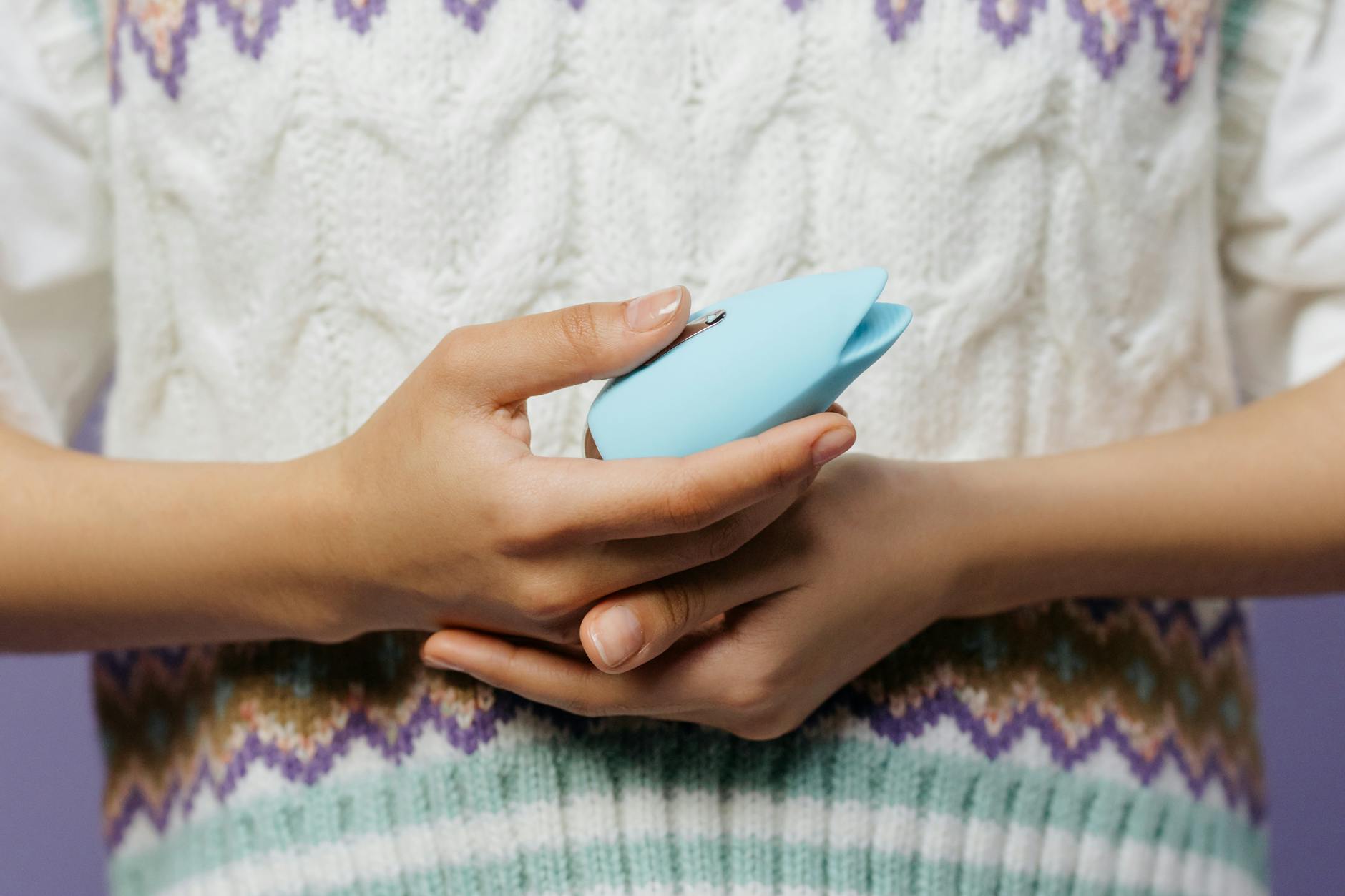
Lemon vibrators, particularly ones with suction technology like the Lem, work differently than traditional vibrators. They don't buzz. They create rhythmic patterns of sensation that stimulate the clitoris through suction rather than direct friction. This matters when you're numb because suction feels more like touch. It's almost closer to hand stimulation than buzzing is.
What I recommend to clients is this: use the lemon vibrator not as a tool to force pleasure, but as a gentle alarm bell for your nervous system. Think of it like waking up a sleeping limb. You're not trying to reach climax. You're trying to remember what sensation feels like.
The actual protocol I suggest
Start small and solo. This is non-negotiable. When you're numb, partnered pressure to feel something ruins it. Being alone removes that performance layer. You're not responsible for anyone else's experience.
Pick a time when you're already calm. Not tense, not rushing. Ideally after something grounding like a bath or a walk. Your nervous system needs to be in rest mode before you try to access pleasure.
Use the lemon sucker on the lowest setting for five to eight minutes. Not with the goal of orgasm. With the goal of noticing. What does this feel like? Is it warm? Cold? Tingly? Distracting? All of those are data. You're rebuilding the connection between sensation and awareness.
Do this for a week or two without pushing for more. Just noticing. Just showing your nervous system that this is a safe space to feel things. Over time, clients report that sensation starts returning. Not dramatically. Gradually. They start noticing texture, rhythm, pressure in a way they haven't in months.
Then, once you feel even small glimmers of sensation, extend to eight to twelve minutes. Still no goal. Still solo. You're deepening the pathway, not rushing to pleasure.
If you're partnered and want to eventually include your partner, that conversation needs to happen separate from the experience itself. Tell them what you're working on. Tell them it's not about them, it's about rebuilding your own nervous system's ability to feel safe. Then give yourself permission to explore solo first.
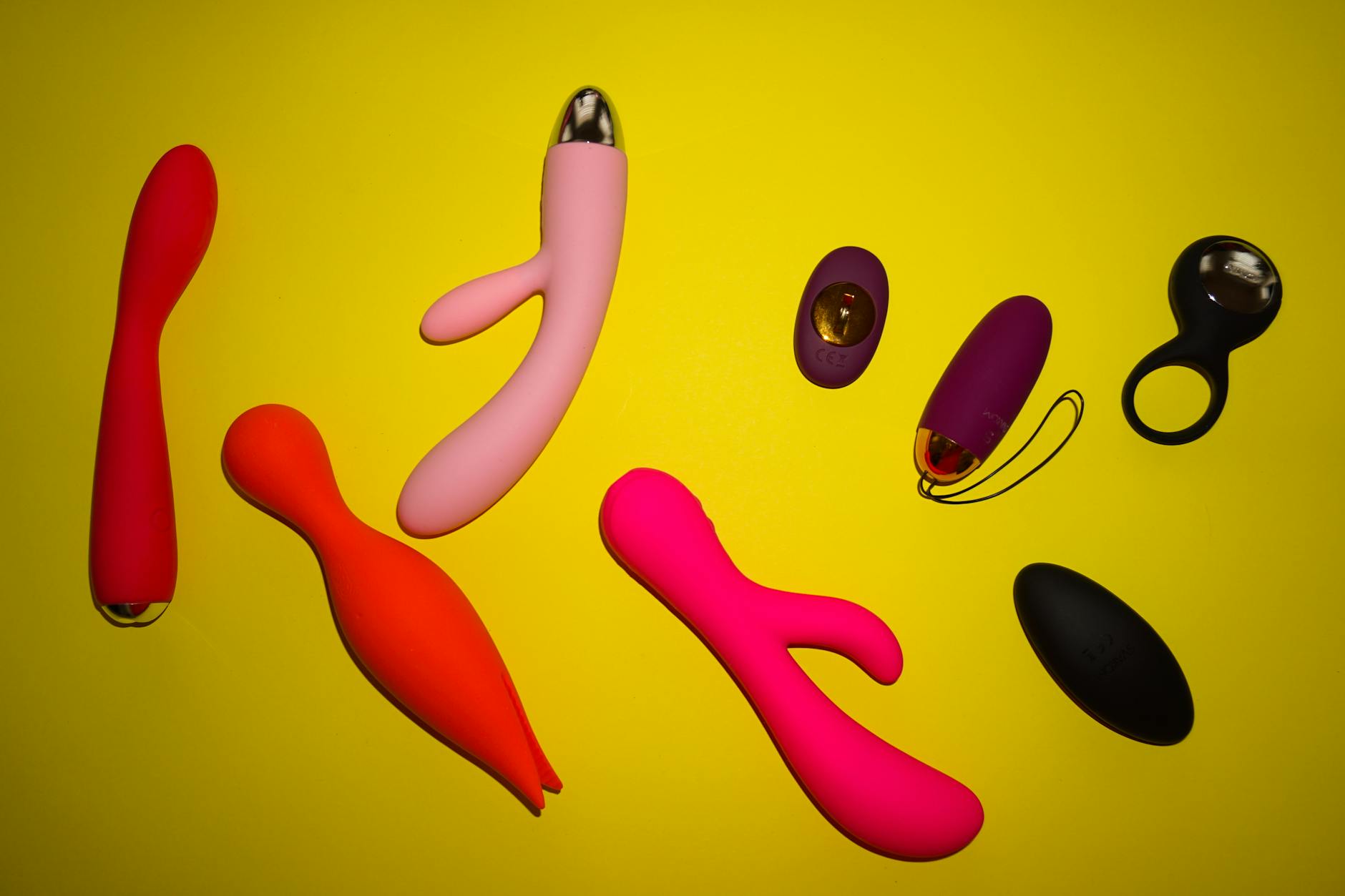
Photo by FounderTips on Pexels
The emotional work that matters more than the device
A lemon vibrator helps, but it's not magic. The real work is asking yourself what the numbness is protecting you from. Sometimes it's anger. Sometimes it's grief. Sometimes it's the weight of not being seen or chosen by your partner. Sometimes it's exhaustion so deep that pleasure feels like another obligation.
Before you use any device, sit with that. What would it mean to feel again? What are you afraid will happen if you let pleasure back in? That's the conversation that actually shifts things.
I often recommend that clients work with a therapist alongside this physical reconnection. Not because there's something wrong with you, but because numbness this deep usually has roots. Unprocessed hurt, unresolved conflict, burnout. A lemon clitoral vibrator can help you rebuild sensation, but it can't process trauma. And it shouldn't have to.
When to know this is working
You're rebuilding connection, not racing toward pleasure. So progress looks different than you might expect. Progress is noticing the sensation of the lemon vibrator when you couldn't feel it before. Progress is having a thought drift in and not immediately shutting it down. Progress is touching yourself and not feeling completely separate from your own body.
Orgasm might come back. It might look different. It might take longer. That's all normal. What matters is that the door between sensation and you is opening again.
The partnership conversation (when you're ready)
Once you're feeling sensation solo, involving a partner doesn't happen automatically. It's a separate negotiation. You might say something like: "I've been working on reconnecting with my body. I'd like to try using my lemon vibrator with you present, but I need you to understand this is about me rebuilding sensation, not about performance. Can you be present without expectations?"
A partner who gets this is a partner worth having. A partner who pushes back or makes it about them is telling you something important about the relationship itself. Sometimes numbness in sex is actually your nervous system accurately reflecting the emotional safety of the relationship. Listen to that.
When numbness is more than emotional
If you've tried the gentle approach for four to six weeks and feel no shift whatsoever, and if you're also experiencing numbness in other parts of your life, talk to a doctor. Certain medications, hormonal changes, neurological issues, and chronic illness can all cause physical numbness. That's not something a lemon vibrator can fix. That's something a healthcare provider needs to know about.
The same goes if numbness showed up suddenly after a specific event. That's trauma, and it needs professional support. The vibrator is a tool for reconnection when the numbness is relational or situational. When it's physiological or traumatic, you need actual treatment.
The long view
Reconnecting with pleasure when you've been numb is not fast. It's not about achieving; it's about thawing. You're asking your nervous system to believe it's safe to feel again. That takes time, repetition, and patience with yourself. A lemon vibrator helps because it's a focused, predictable sensation. It's also external to you, which sometimes makes it easier to notice than your own hand.
But the real tool is you deciding that you deserve to feel good again. That your pleasure matters. That numbness is a signal, not a sentence. Once you decide that, any device becomes part of a larger reconnection. And that reconnection changes everything.
People also ask
Is numbness during sex normal?
It's common, especially during periods of high stress, relationship conflict, or burnout. But common doesn't mean permanent. Numbness is usually your nervous system's way of protecting you from feeling overwhelmed. Once the underlying stress shifts or you process what's beneath it, sensation typically returns. If numbness persists across months and isn't tied to a specific stressor, it's worth talking to a healthcare provider.
Can lemon vibrators help with emotional disconnection from a partner?
They can help you reconnect with your own body, which is often the first step. But emotional disconnection from your partner is usually a relationship issue, not a device issue. Lemon clitoral vibrators work best as part of a larger conversation about intimacy, safety, and what you both need. Sometimes that conversation happens with a couples therapist. Sometimes it happens through honest talks at home. The vibrator is a tool, not a fix for relational problems.
How long does it take to feel sensation return?
This varies wildly. Some people feel the difference in two to three weeks. Others take two to three months. It depends on how long you've been numb, what caused it, and how consistently you're practicing. The key is showing your nervous system that sensation is safe and repeatable. That repetition takes time.
Should I use a lemon sucker or a traditional vibrator when I'm numb?
Try the lemon sucker or a clitoral vibrator with suction technology first. They tend to feel more like touch and less like buzzing, which makes it easier to notice sensation when you're starting from numbness. Traditional bullet vibrators can work too, but many people find them too intense when they're trying to gently wake up sensation. Start with lower intensity and work up if you want.
What if I use a lemon vibrator and still feel nothing?
That's information. It might mean you need more time. It might mean the numbness is deeper than a device can address, and you need therapy or medical evaluation. It might mean solo pressure isn't working and you need your partner present for a sense of safety. All of those are valid. Feeling nothing after trying is not failure. It's data that tells you the next step.
Can desensitization happen if I use lemon vibrators too often?
Yes, but it's not the most common problem when you're starting from numbness. More commonly, people don't use them consistently enough. If you're feeling sensation return and then you start using the vibrator daily or multiple times daily, you might habituate to it. But that's actually a sign that sensation is coming back. At that point, taking breaks (two to three days a week without use) helps. Many people find that using lemon vibrators after taking a break resets sensitivity.
Should my partner be involved in this process from the start?
No. Start solo. Let your nervous system learn that it's safe to feel without the added layer of performing for someone else. Once you're noticing consistent sensation, then you can decide if you want to involve your partner. Some people never want to. Some people do it occasionally. Both are fine. The choice is yours based on what feels right for your reconnection.
If you're stuck in numbness, the first thing to know is that you're not broken. Your nervous system is doing its job by protecting you. The second thing is that reconnection is possible. It takes time, patience, and usually professional support alongside any device. But pleasure isn't lost. It's just waiting for you to feel safe enough to come back.