Here's what nobody tells you about pleasure after illness
Your body spent weeks or months in survival mode. Right now, asking it to feel pleasure might seem impossible, or worse, impossible and weird. That's completely normal. When we're sick, our nervous system downregulates sensation as a protective mechanism. We don't feel hungry. We don't feel pleasure. We feel functionally numb, which kept us alive.
But recovery isn't just about the fever breaking or the fatigue fading. Pleasure is part of physical healing. It's not selfish. It's not frivolous. It's actually one of the most direct signals that your body is recalibrating and trusting again.
Here's the thing though: jumping straight back to what you did before illness is almost always a disappointment. Your nervous system has relearned its settings. Sensation is different. Arousal takes longer. Your baseline has shifted. That doesn't mean pleasure is gone. It means pleasure needs reintroduction, not resurrection.
Why your pleasure feels different right now
Illness changes three core systems that directly affect sexual response. Your nervous system, your cardiovascular capacity, and your tissue sensitivity all recalibrate during recovery.
When you're ill, your vagal tone drops. This is the nervous system's ability to shift between activation and rest. A healthy nervous system bounces. During illness, it gets stuck in "low." Even weeks after feeling better, your sympathetic nervous system (the accelerator) doesn't activate as quickly or as intensely as it used to. Arousal requires that activation. So of course it feels muted.
Cincirculation improves slowly too. Genital sensation depends on blood flow, and post-illness blood flow is still restricted. You're not imagining the numbness. Your tissues legitimately have less oxygen than they did before.
Finally, if you spent time resting or bedbound, your pelvic floor muscles weakened. Pelvic floor strength directly affects orgasm intensity and pleasure sensation. Rebuilding that takes time and gentle, consistent attention.
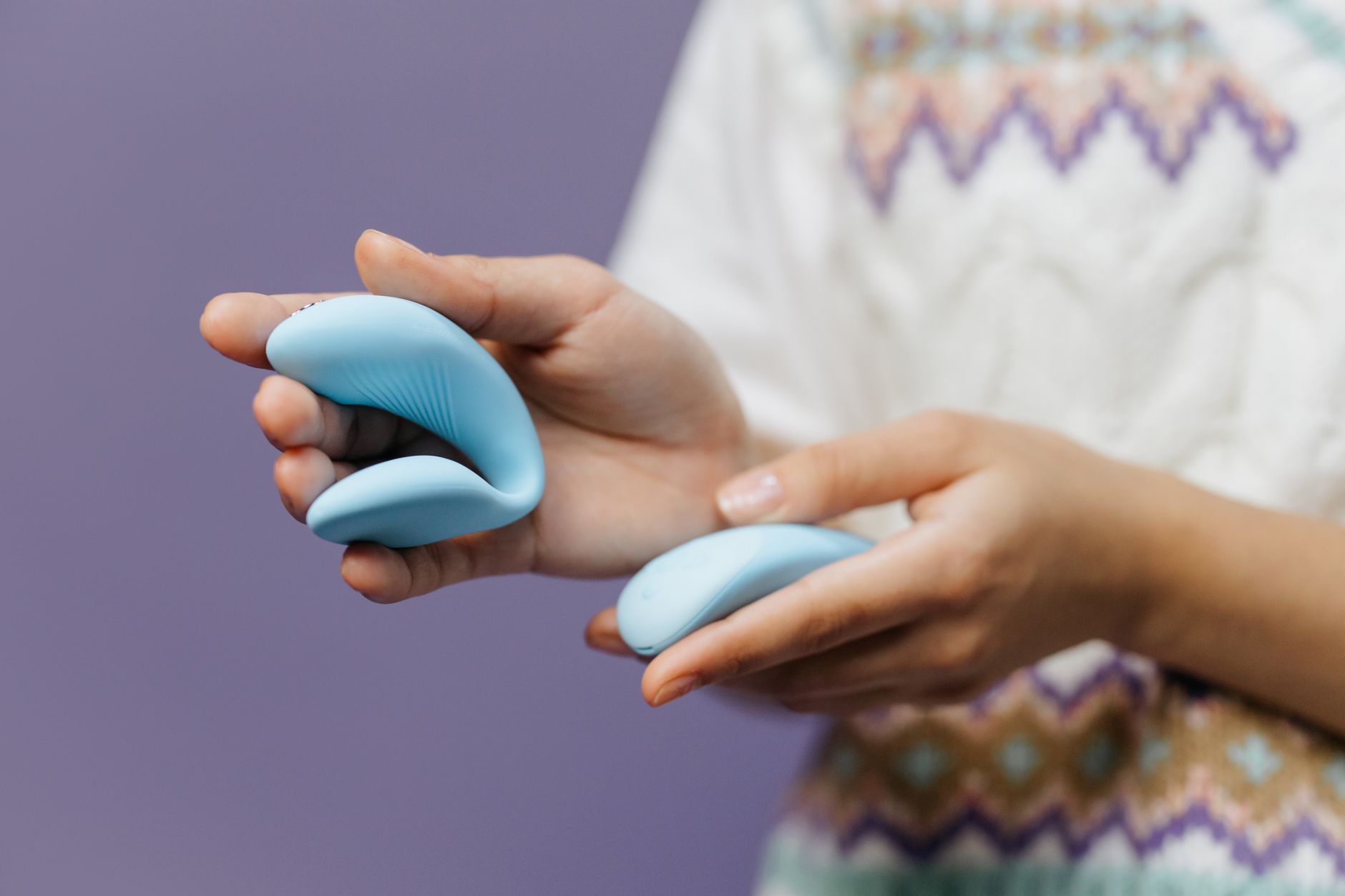
The good news: all three systems respond to exactly the right kind of stimulation. And lemon vibrators, specifically, are designed for this moment. Their suction-based technology doesn't require friction intensity or sustained pressure. You can build sensation gradually without exhausting yourself.
Starting again: the timeline that actually works
Forget "wait six weeks" or "jump back in." Recovery isn't linear, and neither should reintroduction be.
Weeks 1-2 after feeling capable: Start with sensation exploration, not orgasm. Run a lemon vibrator at the lowest setting (pattern 1 on most Lem vibrators) over your thigh, your belly, your inner arm. Not for pleasure yet. For nervous system recalibration. Your brain needs to remember that gentle stimulation feels safe and good.
Weeks 2-4: Introduce external clitoral contact, but brief. Two to three minutes at pattern 1, solo, no pressure to respond. Notice what you notice. Is there sensation? Numbness? Mild warming? All of these are data, not failures.
Weeks 4-6: Extend duration slowly. If three minutes felt good, try five. Shift to pattern 2 if your body asks for it. Pay attention to whether arousal is building. Most people notice a shift here. Something clicks. Patience paid off.
Weeks 6+: Your nervous system is recalibrated. Now you can play with intensity, rhythm, and fantasy. Your pleasure is back online.
This timeline assumes steady recovery. If you hit a setback, grief, or fatigue spike, slow down. Your body isn't being difficult. It's being honest.
Why lemon vibrators are the right choice for post-illness pleasure
Traditional vibrators work through intense vibration frequency. They're powerful, but they demand a lot from your cardiovascular system and your nervous system attention. After illness, you don't have either to spare.
Lemon clitoral vibrators use suction and gentle pulsing. This technology meets post-illness bodies where they actually are. The stimulation builds slowly. It doesn't spike intensity unexpectedly. Your blood pressure doesn't spike. Your heart rate climbs gradually instead of spiking. Your pelvic floor can engage at its own pace instead of clenching reflexively.
For someone rebuilding sensation, the Lem vibrator's suction patterns are genuinely gentler and more intuitive. Patterns 1 and 2 feel like a soft rhythm, not a jackhammer. You can sustain them longer without fatigue.
The physical adjustments that help
Three concrete things that make reintroduction easier.
Hydration during. Seriously. Genital tissue that's still recovering from illness benefits from extra blood flow. Drink water or electrolyte solution before pleasure sessions. It sounds clinical and it's genuinely helpful.
Warm-up without orgasm first. Spend ten to fifteen minutes just being touched. By a partner, or by yourself, non-genitally. Your nervous system needs to get the signal that "we're safe, we're awake, we're alive." Then introduce the vibrator.
Temperature sensitivity. Post-illness bodies often have temperature dysregulation. A lemon vibrator that's been in the nightstand might feel jarring. Warm it in your hands first. Run it under warm water. This tiny thing makes a massive difference in how your nervous system receives the sensation.
The emotional piece (which is actually the bigger piece)
Here's where I see people get stuck. Your body didn't betray you. It protected you. But right now it might feel betrayed, weak, or unreliable. That's grief. That's real.
If you had a partner during your illness, they watched you be vulnerable, dependent, unsexy. Reintroducing pleasure with them present sometimes feels loaded with expectation. You want to prove you're "back." Your body wants to move slowly. These two things fight.
If you were alone during your illness, coming back to solo pleasure can feel both urgent and terrifying. You might feel like you've forgotten how. You haven't. Your body remembers. It just needs permission to take its time.
Both situations benefit from one conversation: pleasure is not a performance. It's a signal. Right now, pleasure signals that your nervous system is healing. That's the only job. Not impressive pleasure. Not pre-illness pleasure. Just pleasure that tells you your body is coming home.
When to pause and reach out
If you're two months past feeling physically recovered and you still have zero sensation in the genital area, that's worth mentioning to your doctor. Post-viral neuropathy is real and treatable. Don't assume it's permanent.
If arousal attempts trigger pain, breathlessness, or panic, slow way down. Talk to a therapist who specializes in somatic recovery. You might need additional support beyond what a lemon vibrator can offer, and that's completely valid.
If your partner is frustrated with your pace, that's a separate conversation. Their impatience is not your responsibility to fix. Your recovery timeline is yours.
Moving forward
Illness interrupts everything. It interrupts your work, your routines, your relationships, and yes, your pleasure. But interruption isn't ending. Your pleasure isn't gone. It's recalibrating. You're rebuilding it with better information about what your body actually needs right now.
Start at pattern 1. Stay curious instead of goal-oriented. Let sensation build on its own timeline. Trust that your body knows how to feel good again. It does.
If you're exploring lemon vibrators for the first time during recovery, start with the Lem vibrator, which offers gentle, graduated patterns specifically designed for sensitivity. As your sensation returns, you can explore other settings at your own pace.
People also ask
How long after illness should I wait before using a lemon vibrator?
Wait until you're off pain medication and fever-free for at least a week. Your nervous system needs to stabilize first. Then start gentle. There's no prize for rushing.
Can I use a lemon vibrator if I'm still taking antibiotics?
Yes, but hydration becomes even more important. Antibiotics can dry tissue and reduce sensation further. Use a water-based lubricant and drink more water than you think you need. Your tissues will thank you.
Should I tell my partner I'm rebuilding pleasure after illness?
Absolutely. The conversation isn't "I'm broken." It's "I'm recalibrating and I'd like to move slowly." Partners who care will respect that. Partners who don't are showing you something important about the relationship.
What if pleasure still feels completely numb?
Give it more time, and be gentler with yourself. Some post-viral conditions involve prolonged nervous system recovery. This isn't failure. If it hasn't shifted after three months, talk to your doctor about post-viral syndrome support or somatic therapy. Your body isn't broken. It's just speaking a language you need help translating.
Can I use lemon clitoral vibrators if I had a serious illness like pneumonia or sepsis?
Yes, but check with your cardiologist first if your illness involved your heart or lungs. Once you're cleared, gentle reintroduction still applies. Your recovery is slower and your body's recalibration is deeper. That's not a reason to avoid pleasure. It's a reason to approach it with extra patience.
Is it normal to feel emotional during pleasure after illness?
Completely normal. Your body is grieving the interruption and celebrating its return. Tears, laughter, or just feeling overwhelmed are all signs your nervous system is reintegrating. Let it happen. You're healing on a deep level.
References
The content above draws on clinical understanding of post-illness nervous system recovery, somatic therapy principles, and the physiological responses to sexual stimulation during vulnerability. If you're experiencing prolonged sensory changes or pain, consult with a healthcare provider specializing in post-viral syndrome or somatic recovery.