
Here's the honest part
Most people use their lemon vibrator completely differently depending on whether they're alone or with a partner. The patterns that work solo often fall apart in the presence of another person. That's not a failure. It's just physics. Your body, your attention, and your comfort all shift when someone else is in the room.
I've worked with hundreds of couples navigating this exact gap, and the ones who thrive are the ones who stop treating partnered pleasure as "solo play plus one." They're different animals. The sooner you accept that, the faster you actually enjoy both.
Why solo and partnered use feel different
When you're alone, you control tempo, pressure, positioning, and the exact moment you want intensity to shift. Your brain is entirely focused on sensation. There's no performance anxiety, no rhythm to match, no worried glance at your partner's face. You can spend eight minutes finding the exact angle or pattern that works. You can stop. You can restart. You're the researcher and the subject.
With a partner present, everything changes. They're watching. They want to participate or feel included. There's an implicit agreement about duration. Your nervous system is half-focused on their experience. The best lemon clitoral vibrator technique in the world won't land if your attention is split between your pleasure and their comfort.
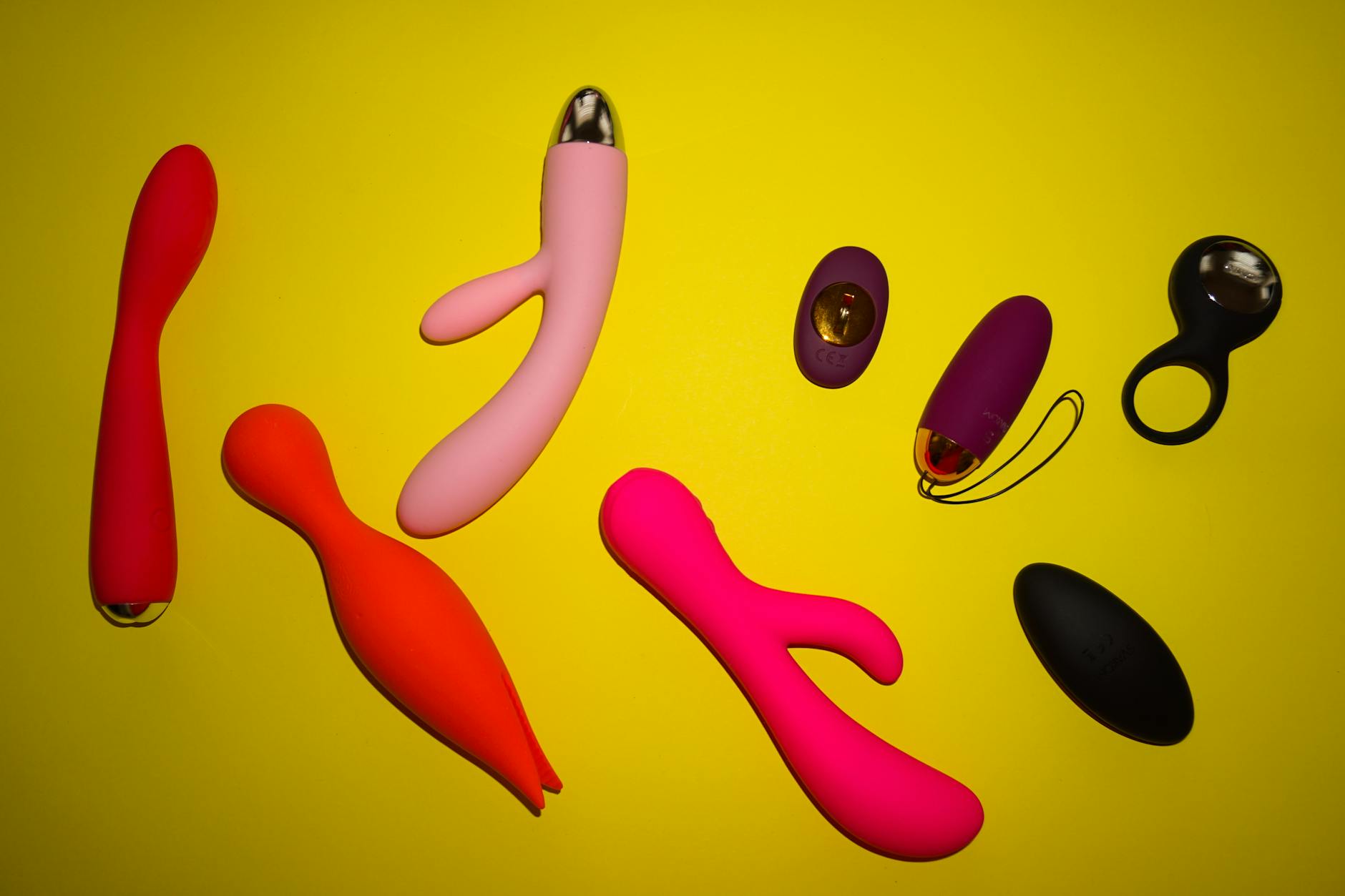
Photo by FounderTips on Pexels
There's also a tactile difference. A lemon vibrator works through suction and rhythm. Alone, you can press with exactly the pressure you like. With a partner, you're managing their hand position or yours while they're managing theirs. The geometry gets complicated. Pleasure often requires compromise on what the textbook says and finding what actually works in your specific body, your specific situation.
Solo play: building your personal baseline
Before you even think about partnered use, you need to know what works for you alone. This isn't selfish. It's essential.
Start by experimenting with patterns and intensity alone. Set aside 20 minutes where your only job is to notice what your body responds to. Try the lower intensities first (most people rush to intensity 5 or 6 immediately, which is like turning up the volume before you've listened to the song). Patterns matter more than power. Many people find that a steady pulse works better than a chaotic flutter. Others prefer waves or stuttering rhythms.
Positioning matters too. Some people prefer direct contact. Others find it works better through clothing or when held at a slight angle. The lemon vibrator isn't a one-size approach. It's a tool you learn to use on your body, not a formula you follow. Pressure, proximity, and patience all shift the experience.
If you've been using one of these tools for a while and they've stopped working the way they used to, that's desensitization, not a personal problem. Your body adapts. Why Lemon Vibrators Feel Intense After Taking a Break covers this in detail, but the short version is: spacing out sessions and varying your patterns is how you stay responsive.
Partnered play: what actually changes
Now you're involving someone else. The conversation starts before the vibrator comes out.
Most couples skip this step. They assume if it works solo, it'll work partnered. Then neither person enjoys themselves because expectations are invisible and mismatched. You think your partner knows what you like. They think you want to be surprised. You think they're bored. They're actually nervous.
Start by saying what you know: "This pattern feels good to me." "I like it when the intensity builds slowly." "I need about ten minutes to get there." These facts don't change because someone else is present. Naming them is clarity, not a mood killer.
Then ask: "What role do you want to play here?" Some partners want to hold the vibrator and feel you respond to their control. Some want to watch while you use it yourself, which gives them visual access and you physical control. Some want to use it on you while you focus only on sensation. Some want it integrated into other touching. None of these are standard. All of them are valid.
The geometry question: where do you want the vibrator to touch you relative to their body? If they're behind you, the angle is different than if you're facing them. If you're side by side, pressure and stability change again. This matters more than people admit. A position that felt perfect solo might be mechanically awkward partnered.
Talk through duration too. Are you aiming for an orgasm together, or are you okay with your pleasure happening on its own timeline? Do you want them touching you in other ways while you use the vibrator, or do you want focus to be singular? These conversations sound clinical. They're actually the opposite. They remove the guessing and let both people relax into what's actually happening.
Three patterns that work differently solo vs. together
The slow build. Solo, you can spend ten minutes gradually increasing intensity, knowing nobody's arm is getting tired and nobody's time is limited. Partnered, most people want faster payoff. If your partner is holding the vibrator, they're working. Their arm gets fatigued around eight minutes. If you want a slow build partnered, you might need to hold it yourself or establish a rhythm where they can rest without breaking the mood. Knowing this gap matters.
The exploration phase. When you're alone, you move the vibrator around, trying different positions and angles with zero performance pressure. This is how you learn. Partnered, this same exploration can feel aimless if your partner thinks they're supposed to be driving toward orgasm. Separate the fact-finding from the pleasure session. "This time I want to figure out what spots work" is different from "I want to orgasm with you." One is research. One is arrival. Both are important but they need different frameworks.
The finish. Solo, you know exactly when you're close and exactly what brings you there. You're in total control. Partnered, you're either communicating your readiness or they're watching for signs. Some people like narration ("I'm close"). Some like their partner to intuit it. Some want specific pressure or rhythm at the end. This is where communication prevents awkward moments. "Tell me when you're getting there" or "Don't change anything" or "Faster" are the actual conversations that transform partnered use from uncertain to reliable.
Communication strategies that actually stick
Here's what doesn't work: vague direction like "that feels nice" or "keep going." Your partner doesn't know if you want the same thing or something slightly different. That's not their fault. It's ambiguous.
Here's what works: "I like this pattern" (specific). "Move it slightly left" (physical). "A bit more pressure" (measurable). "Almost there" (timing). These are clear. They remove the guessing.
For ongoing partnerships, check in after. Not in a clinical debrief way. Just real: "That rhythm really worked for me." Or "Next time, I want to try holding it myself while you're touching me elsewhere." Or "I got in my head halfway through and lost it. Can we try again tomorrow?" These micro-conversations compound. They're how your sex life actually improves instead of staying stuck in a comfortable but unchallenging rut.
When partnered play still feels awkward
Sometimes the gap between solo and partnered doesn't close, no matter how much you talk. This is usually because of one of three things:
Attention gaps. Your partner wants to participate but your pleasure requires you to be alone with sensation. This is real and valid. Some people need zero external stimulus to get there. If that's you, solo vibrator use might be your primary practice, and partnered sex might happen differently. That doesn't mean you can't both enjoy the vibrator. It means How to Use a Lemon Vibrator With a New Partner for the First Time might frame it as foreplay or a shared experience rather than your climax pathway.
Tempo mismatches. You come fast solo but slowly with a partner. Or the reverse. The solution is usually: use the vibrator at different points in the encounter. Some couples bring it out at the beginning to warm up. Some use it at the very end when arousal is already high. Timing changes everything.
Performance anxiety. You feel like you should come faster or with less effort when they're watching. This is wildly common and nothing's wrong with you. The fix is separating expectation from reality. You don't have to orgasm. You don't have to come by a certain timeline. You're allowed to enjoy pleasure without the destination. That reframing often dissolves the pressure enough that your body actually responds.
If after honest conversation and experimentation you're still struggling, that's worth exploring with a relationship coach or a sex therapist who specializes in couples dynamics. Sometimes the gap isn't about the vibrator. It's about something deeper in how you two navigate vulnerability or pleasure.
The real advantage of knowing both
Mastering solo play isn't selfish. It's actually the foundation for better partnered play. When you know exactly what your body needs, you can communicate it clearly. You're not dependent on your partner to discover what works. You're not surprised by your own responses. You're confident.
Same for partners. The ones who learn what their partner needs solo (by listening, by noticing, by asking) are the ones who nail partnered play. It's not about copying the solo technique. It's about understanding the person underneath it.
The lemon vibrator, the lem vibrator, any clitoral vibrator is just a tool. The real work is knowing yourself and being willing to say what you know out loud.
People also ask
Can you use a lemon vibrator with a partner if you usually use it alone?
Absolutely. Most people do. The transition is smoother if you've had conversations beforehand about what you like, what role they want to play, and what you both want from the experience. The vibrator itself works the same way. Your attention and expectations are what shift.
How do you tell a partner what patterns you like without it being awkward?
Frame it as information, not critique. "This pattern feels really good to me" is different from "Your rhythm was wrong." One is sharing discovery. One is correcting them. Delivery matters more than the words. If you're relaxed and matter-of-fact, they will be too. If you're defensive or embarrassed, they'll mirror that.
Is it normal to need the vibrator to finish with a partner?
Yes. Plenty of people don't orgasm from partnered touch alone but do with a vibrator. That's not a problem. That's your body's wiring. The question is whether your partner is comfortable integrating that into your intimate life. Most are, once they understand it's not about them. It's about anatomy. Some clitoral vibrators work better solo, others feel good with a partner involved. Understanding which is true for you makes the whole experience easier.
What if I last way longer with a partner than I do solo?
That's usually because your nervous system is partially occupied managing their presence, or you're unconsciously modulating your response. Slowing your breathing, focusing on sensation rather than your partner's reaction, and sometimes changing position can help. You might also just need longer partnered sessions. Your body isn't broken. It might just have different timing with an audience.
Should I warm up solo before partnered play?
Some people prefer it. Solo warmup means you already know what your body responds to, so partnered play feels more familiar. Others find it awkward to transition from solo satisfaction to partnered interaction. There's no right answer. Try both. One will feel better. That's your answer.
How do you use a lemon vibrator together if you both have vulvas?
You have options: take turns, use it on each other, or use multiple vibrators at once. The conversation is the same. What does each person like? What role does each person want to play? Partnered dynamics don't change based on anatomy. Communication does all the heavy lifting.