The emotional gap that kills desire
Let's be real. When you haven't felt truly seen by your partner in months, maybe years, the last thing your body wants to do is be vulnerable with them. Emotional distance doesn't just make you not want sex. It makes the idea of sex feel hollow, risky, or impossible.
Here's what I see in my practice: couples who drift emotionally almost always blame their lack of physical intimacy on "just being busy" or "losing the spark." But the real problem runs deeper. You can't want someone sexually when you don't feel safe with them emotionally. The brain won't allow it.
Why reconnection through touch actually works better than talking
Most couples try to fix physical distance by talking more. They schedule date nights, they have the "we need to reconnect" conversation, they plan vacations. Sometimes these help. Often they don't, because words come after the damage. If you've felt emotionally abandoned for two years, one dinner conversation won't undo that.
Touch, though. Touch happens in the body. It bypasses the part of your brain that's keeping score and goes straight to the nervous system. When you're touched slowly, intentionally, without pressure to escalate, your body literally recalibrates. The vagus nerve activates. Cortisol drops. Oxytocin rises. You feel safer.
This is not poetic. This is neurobiology. And it's why couples who've been emotionally distant sometimes report that the first moment of real physical affection in years hits them like a breakthrough, before they've even had the big conversation.
The trap of trying to have sex when you're still emotionally disconnected
Something I tell every couple: forcing sex before you've rebuilt trust is like trying to exercise on a broken leg. It hurts, it doesn't work, and it makes things worse.
If you've been emotionally distant and you jump straight to "let's have sex," one of two things happens. Either you go through the motions and it feels even more hollow than before. Or you can't get aroused at all, which then becomes a new source of shame and failure between you. Neither path reconnects you.
The good news is there's a middle ground. You can rebuild physical intimacy without full sex. And that's often where the real healing starts.
How to restart with touch that doesn't demand anything
Start with hands. Not massage, not foreplay. Just touching. Your partner's arm, their back, their face. Long enough to breathe together. The goal is not arousal. The goal is safety.
Set a boundary first. Say something like, "I want to feel close to you, but I'm not ready for this to go somewhere yet. Can we just touch for a few minutes?" This sounds vulnerable, and it is. It's also the least sexy-sounding sentence that actually rebuilds real desire, because it sets expectations clearly.
Then sit facing each other, or lie down, and just touch. Slowly. No agenda. If you feel yourself tensing, pause. If you feel sadness come up, let it. These are real emotions that need to move through your body before arousal can.
Do this for five minutes, or thirty. The duration doesn't matter. Consistency does.
When toys help restart what talking alone can't
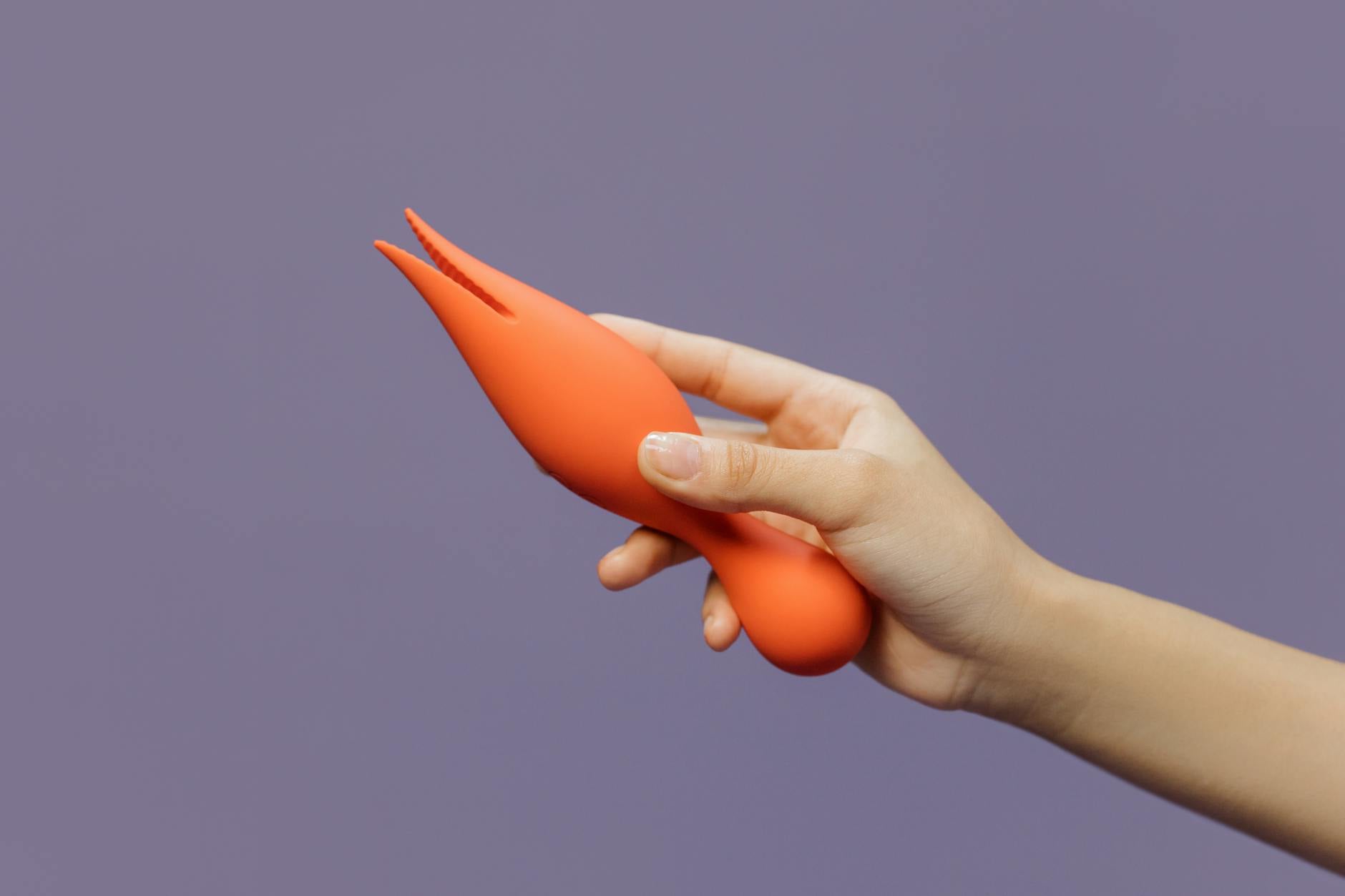
Here's where a clitoral vibrator like the Lemon comes in. Once you've had a few sessions of non-pressured touch, introducing a toy can shift the whole dynamic.
A toy is permission. It says, "This is about your body's pleasure, not about performance." It also removes some of the emotional weight because pleasure isn't dependent on your partner's presence or technique. You're asking your body to wake up, not asking your partner to fix everything.
I've seen couples use a lemon clitoral vibrator in sessions like this and something unexpected happens. The person who's been numb or resistant starts to feel sensation again. And that sensation is theirs. Their partner gets to witness their pleasure rather than carry the burden of creating it. The dynamic shifts from "fix this" to "I want to feel with you."
Use the vibrator solo first, if that feels safer. Let your body remember what arousal feels like without the pressure of your partner watching or waiting. Then, if you want, invite them into that. Not to perform, but to be present.
The three-stage path back to shared desire
First stage: non-sexual touch (one to two weeks). Hands, holding, breathing together. No orgasm target. Just body recognition.
Second stage: solo pleasure (one to three weeks). You learn what your body needs now, what feels good after the distance. Your partner can be in the room or not. The point is your nervous system gets to practice arousal again safely.
Third stage: shared pleasure (open-ended). Your partner witnesses your solo practice or joins in. This is when you can have sex again, or not. Either way, you've rebuilt the safety first.
Most couples rush this timeline. They skip stage one and go straight to stage three and wonder why it feels empty. Give yourself permission to move slowly.
What you need to know about your nervous system coming back online
After months or years of emotional distance, your nervous system is dysregulated. You're in a low-level state of threat. Your body doesn't trust that it's safe to let you want someone.
When you restart with gentle touch and you're introducing a tool like the Lemon, you're not trying to "fix" your desire. You're asking your nervous system, "Is this safe now?" And you're giving it evidence. Slow touch. Clear boundaries. Time. Pleasure that's yours alone, not conditional on your partner.
Your arousal will come back. Not immediately. But it will come back because you're building from the ground up instead of trying to resurrect something from a place of pressure.
The conversation you actually need to have
Eventually, you'll need to talk about what created the distance in the first place. But that conversation works better when you've already reestablished touch. Your body will be your evidence that reconnection is possible. You'll have oxytocin and safety in your system instead of just hurt and exhaustion.
Then the conversation isn't "how do we fix this?" It's "I felt you coming back. I want to keep feeling that." That's a conversation two people actually want to have.
If the emotional distance is rooted in something bigger. betrayal, years of unmet needs, a fundamental misalignment. touch alone won't solve it. You might need a couples therapist to help you decide if this relationship is worth rebuilding. That's okay. That's also part of being honest with yourself.
But if the distance is just drift, just two people who stopped touching and started assuming the worst about each other, touch can genuinely restart something real.
Common questions about restarting pleasure after emotional distance
What if I feel angry during touch sessions?
Anger is often the top layer of hurt. If anger comes up during gentle touch, that's actually information. It means your body is ready to feel something. Don't push through it. Pause, name it. "I'm feeling angry right now." Your partner doesn't need to fix it. They just need to hear it. Then you can decide if you want to continue or stop for the night.
How long before we can have sex again?
There's no set timeline. Some couples reconnect physically in two weeks. Others take three months. The danger is trying to stick to a schedule. If you're checking the calendar instead of checking in with your body, you're moving too fast. Sex happens when you've rebuilt enough safety that your body wants it, not on a predetermined date.
What if my partner isn't interested in reconnecting?
That's the hard answer. If one person is emotionally checked out and doesn't want to rebuild, touch sessions won't fix that. You might need to have a bigger conversation about whether this relationship has a future. That's not failure. That's clarity.
Can we use a vibrator if we haven't talked about the distance yet?
Technically yes. Practically, it might feel like you're skipping steps. If your partner doesn't know you're struggling, introducing a vibrator might feel like pressure or shame instead of connection. At minimum, you need one conversation first. Something simple: "I miss feeling close to you. I want to try something different."
What if the vibrator makes things feel even more awkward?
Tools are only as helpful as the emotional foundation under them. If you introduce a vibrator without the touch work and the boundaries and the basic safety first, it can feel like a band-aid on a wound that needs real attention. Go back to stage one. The vibrator will still be there when you're ready.
How do I know if this is worth rebuilding or if I should leave?
One question: do you want to come back? Not because you feel obligated or scared of being alone, but because you actually miss this person and you believe they miss you? If the answer is yes, reconnection through touch is worth trying. If the answer is no, you already have your answer. Either way, trusting yourself is what matters.
The path forward
Emotional distance kills desire. But desire isn't dead. It's just dormant. And dormant things can wake up when you create the right conditions. Slow touch. Clear boundaries. Your own pleasure first. Time. Your partner's presence, not their performance.
That's how you restart. Not with a big romantic gesture or a conversation that fixes everything in one night. But with your hand on their arm, your breath matching theirs, and the slow recognition that you still want to feel them again.
If you're ready to explore this with your partner, <a href="/contact">reach out to us</a>. We're here to support you.