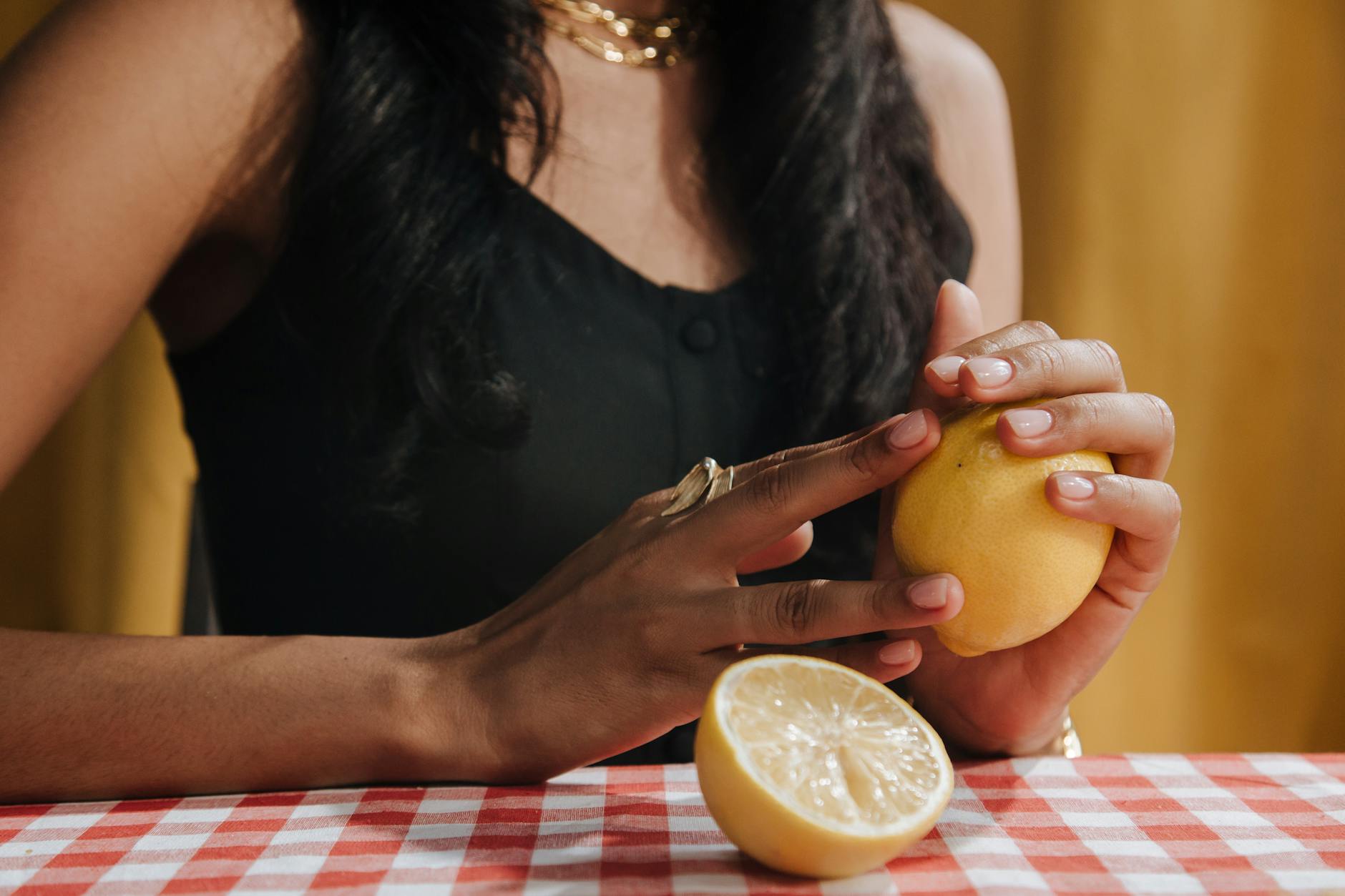
How Lemon Vibrators Improve Sensation During Perimenopause When Hormones Are Shifting
Let's be real. Perimenopause is the decade nobody warns you about. You're still having periods, but they're erratic. Your mood swings. Your skin changes. And somewhere in there, your pleasure response starts acting like it didn't get the memo that you're still interested in feeling good.
The thing is, perimenopause isn't one thing. It's a whole body recalibration happening over years. And one of the places you feel it most acutely is in your clitoris.
What perimenopause actually does to sensation
Here's the mechanism: estrogen fluctuates wildly during perimenopause instead of declining steadily like it does after menopause. Some months you have tons of it. Other months, almost none. Your clitoris has estrogen receptors all over it. So does the tissue surrounding it. When estrogen swings, so does blood flow, nerve sensitivity, and lubrication.
Most people don't realize this. They think something is wrong with them. They assume they're losing their sexuality. They're not. They're just experiencing a moving target.
That's where lemon vibrators and other clitoral vibrators come in. They're specifically designed to work with tissue that's being moody about responsiveness.
Why air-suction lemon vibrators work better during hormonal shifts
Traditional vibrators use friction. They buzz against your clitoris directly. During perimenopause, that direct pressure can feel either too intense (when estrogen is high and your clitoris is hypersensitive) or completely numb (when estrogen dips and nerve responsiveness drops).
Lemon vibrators use a different mechanism. The suction creates a gentle seal and then releases rhythmically. This stimulates the entire clitoral network, not just the tip. It's less about friction and more about stimulating the deeper nerve clusters that remain responsive even when surface sensitivity is chaotic.
Think of it this way: if your clitoris is a neighborhood with flickering power lines, a traditional vibrator is trying to get electricity to one house. A lemon vibrator is drawing power from the whole grid.
The four patterns that work best when your hormones are bouncing around
Most lemon clitoral vibrators have multiple intensity levels and patterns. During perimenopause, this becomes essential because what worked last week might not work this week.
Pattern 1 (gentle pulsing) works best on days when your clitoris feels tender or overstimulated. Low intensity, rhythmic, no ramp. This is your baseline.
Pattern 2 (wave or rolling sensation) is your workhorse. It stimulates multiple parts of the clitoral structure at once, which means even on low-responsiveness days, something is usually getting through.
Pattern 3 (escalating intensity) is good on days when you need stronger input to feel anything. It builds gradually, so you're not shocking desensitized tissue.
Pattern 4 (complex rhythm) works best when your body is feeling relatively normal. It's the one you use for deeper, more complex orgasms.
The point: having options lets you meet your body where it is instead of forcing it to meet you.
Lubrication changes when hormones are in flux
During perimenopause, your natural lubrication often decreases before you're technically menopausal. This isn't a sign your body is broken. It's just estrogen doing its job inconsistently.
Here's what this means for lemon vibrators specifically: you almost always need external lubricant. And you need to be thoughtful about which kind.
Water-based lube is your friend. It's compatible with silicone toys like lemon vibrators. Reapply it halfway through because it absorbs faster than you'd think, especially if your natural lubrication is already thin.
Silicone-based lube lasts longer and feels richer, but it can degrade silicone toys over time. So stick with water-based unless you're willing to upgrade to glass or stainless steel toys.
The bigger point: needing lube is not a loss of sexuality. It's just practical hygiene during a specific life phase.
Timing matters more than you think
During perimenopause, your arousal window changes. Pre-perimenopause, you might have gotten turned on in five minutes. Now you might need fifteen or twenty.
That's not a failure. That's just what's happening to your nervous system during this decade. Lemon vibrators actually help here because they cut the time you need to invest while still giving you genuinely satisfying sensation.
But here's the real talk: you also need to clear mental space. Perimenopause often overlaps with caregiving stress, work pressure, midlife transitions. Your brain has to feel at least somewhat available for pleasure to register. A lemon vibrator can't fix that. But it can make the part that's about your body a lot more straightforward.
What to do on low-sensation days
There will be weeks where even a lemon vibrator feels like you're running your hand over cardboard. This is normal. Estrogen is low. Your clitoris has temporarily clocked out.
Here's what doesn't work: pushing harder. Using stronger patterns. Treating it like a personal failure.
Here's what does work:
First, use lube more generously. Your clitoris isn't swollen, so it needs external moisture.
Second, start with pattern 1 or 2 and stay there. Don't jump to "stronger" to compensate for numbness. Your clitoris needs time to wake up.
Third, focus on the area around the clitoris, not just the tip. The clitoral body extends several inches inside your body. Sometimes stimulating the sides or the base creates more sensation than direct stimulation.
Fourth, consider combining a lemon vibrator with a smaller toy or your fingers on a different part of your body. Cross-stimulation often breaks through numbness better than single-point focus.
If low sensation persists for weeks, talk to your doctor. Sometimes low estrogen during perimenopause is part of the normal cycle. Sometimes it's worth discussing supplemental hormone support, even temporarily.
Partners and perimenopause: recalibrating together
If you have a partner, perimenopause changes the conversation in ways a lemon vibrator actually helps with. It gives you a concrete tool to explain what's happening instead of trying to describe an invisible hormonal event.
You can say: "My body's responsiveness is on pause this week. Let's use this and see what feels good." That's so much clearer than "I don't know what's wrong with me." Because nothing is wrong. You're just in a season where explicit tools make things work better.
A partner who understands this usually stops interpreting your changing responsiveness as rejection. And that shift in the emotional dynamic often makes the physical sensation easier to access anyway.
The reprieve after the chaos
Here's what I see happen with clients who navigate perimenopause thoughtfully: by the time full menopause arrives, they're not anxious about it. They've spent years learning how their body works when hormones are unstable. They have tools that work. They know their own pleasure is not fragile.
And honestly, that's when things get really good. But you have to get through perimenopause first, and lemon vibrators make that decade so much more manageable.
Frequently Asked Questions
How do I know if my low sensation is perimenopause or something else?
Drop in sensation that correlates with your cycle, that fluctuates month to month, and that's not accompanied by pain usually points to perimenopause. Pain, consistent numbness regardless of cycle timing, or sudden changes warrant a doctor's visit to rule out other conditions. Your gynecologist can test hormone levels if you're unclear.
Can I use a lemon vibrator on days when I feel hypersensitive?
Absolutely. Start on the lowest pattern, use generous lube, and focus on the gentler patterns. The suction mechanism of a lemon clitoral vibrator actually feels less jarring to hypersensitive tissue than traditional vibrators because it doesn't create direct friction. Many people find it more comfortable when their clitoris is inflamed or tender.
Will using a lemon vibrator make perimenopause symptoms worse?
No. Orgasms actually help regulate mood, sleep, and hormonal fluctuations. If anything, regular pleasure during perimenopause often makes other symptoms feel more manageable. Use it as much as you want.
Should I try a different toy when my hormones shift dramatically?
Not necessarily. The beauty of a lemon vibrator is that the patterns and intensity levels do the work for you. You stay with the same toy and just adjust the settings. That consistency is actually calming when everything else in your body is chaotic.
How do I explain changing pleasure response to my partner without making it weird?
Just say it plainly: "My hormones are fluctuating right now, and my body is responding differently to stimulation. Let's try this tool and see what feels good." Most partners are relieved to have an explanation and a concrete solution. The weird part is usually the silence, not the conversation.
Is it normal to need more time to orgasm during perimenopause?
Completely normal. Your nervous system is recalibrating. Some phases of perimenopause, you'll need twice as long. Other phases, you'll be back to your baseline. This is temporary. Having a lemon vibrator makes those longer sessions feel less frustrating because you're getting direct, consistent stimulation instead of trying to self-stimulate for twenty minutes.
The real deal
Perimenopause is weird. Your body's not broken. Pleasure is still absolutely available to you. It just requires you to show up with a little more information, a little more patience, and honestly, the right tools. A lemon clitoral vibrator is one of those tools. It works with your body's changing responsiveness instead of against it.
If you want to talk through what might work best for your specific situation, we're here. Get in touch—no question is too small.