Let's start with the honest part
Low sex drive is not laziness. It's not a lack of love for your partner. It's your nervous system saying "slow down" for reasons that make total sense once you understand them.
Arousal lives in your body before it lives in your mind. When stress, relationship tension, hormonal changes, or simple burnout pile up, your nervous system downshifts. And once it's downshifted, restarting arousal isn't about willpower or desire. It's about rebuilding the neural and physical pathways that tell your body it's safe to want something again.
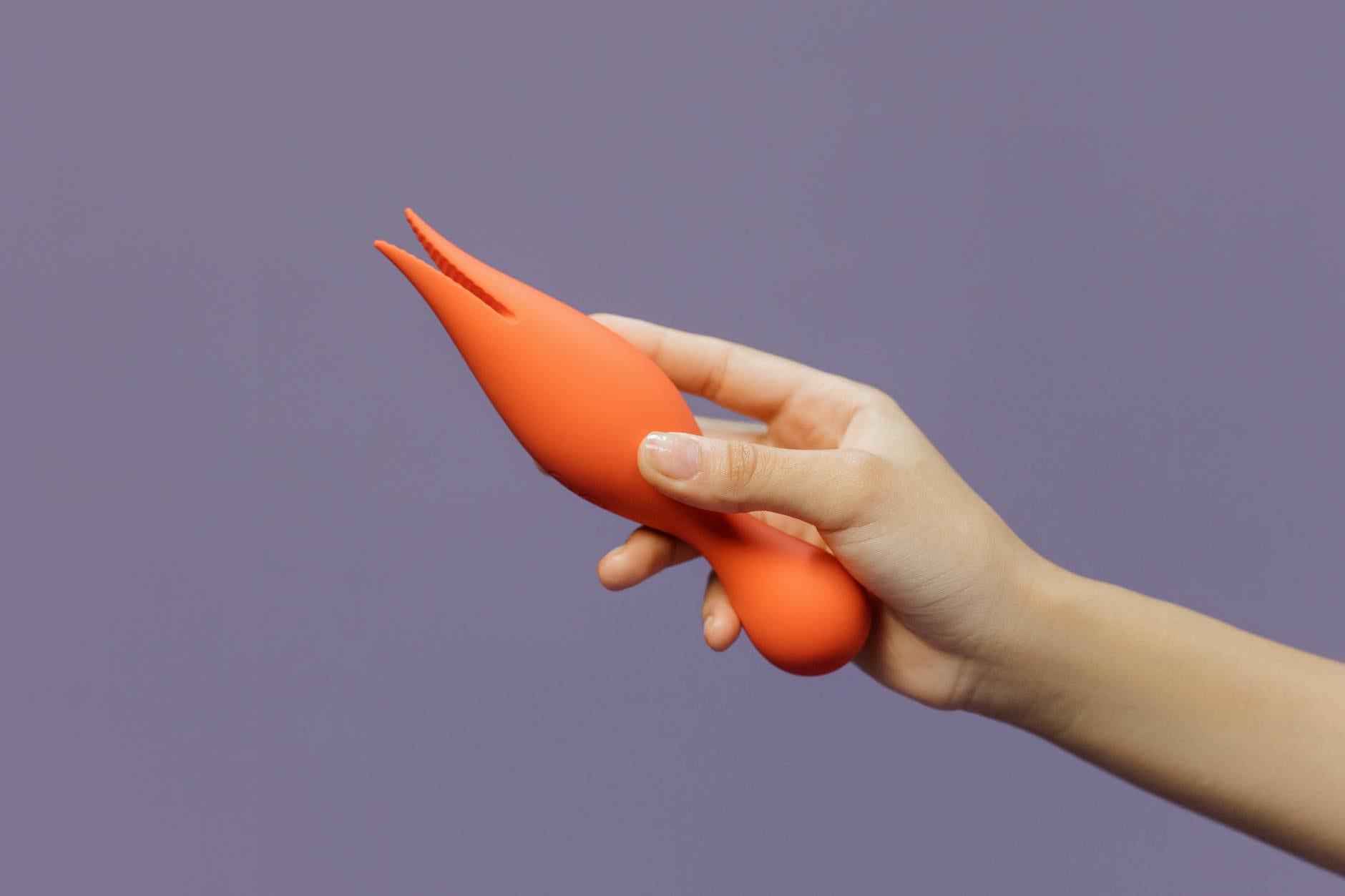
This is where lemon vibrators change things. Not because they're magic, but because they work WITH how arousal actually functions.
How arousal gets stuck in the first place
Your arousal system has two parts. The first is responsive desire. You see your partner, they touch you, your body wakes up. The second is spontaneous desire. You think about sex, or you just... want it, without external trigger.
When life gets heavy, spontaneous desire drops first. Responsive desire follows. And once both are quiet, the cycle becomes self-reinforcing. You don't initiate, so your partner doesn't expect initiation, so you feel less pressure, so you think about sex even less. Your nervous system relaxes into the absence of desire, and restarting it feels impossible.
Here's what actually happens physiologically: your body isn't producing the baseline neural signals that precede arousal. Your clitoris isn't becoming naturally engorged. Your vagina isn't producing lubrication cues. Your brain isn't releasing the dopamine and norepinephrine that say "this is worth paying attention to."
You're not broken. Your arousal system is just offline.
Why lemon clitoral vibrators work differently when desire is low
Most people think a vibrator is a shortcut to an orgasm. It's not. It's a tool for resensitizing your nervous system to pleasure.
When your arousal is low, your clitoris needs direct, consistent stimulation to wake up again. Not the kind of stimulation you can give yourself with your hand. Not the kind your partner's fingers can provide without fatigue. The kind that a lemon vibrator can deliver: precise, rhythmic pressure that tells your nervous system "this is worth noticing."
A lemon clitoral vibrator uses suction and pulsing rather than just vibration. This means it's stimulating the entire clitoral structure. not just the external tip. The sensation is broader, less intense on sensitive tissue, and more likely to trigger the chain reaction your body needs: engorgement, lubrication, the slow unfurling of arousal.
When your desire is already low, high-frequency vibration can actually feel annoying or overwhelming. It demands too much from your nervous system. A lemon sucker's gentler pattern allows arousal to build incrementally, without pressure.
The nervous system reset that happens with regular use
This is the part most people miss. Using a lemon vibrator once doesn't fix low desire. Using it consistently does something else entirely: it rebuilds the neural pathways that connect pleasure to safety.
Your nervous system learns through repetition. When you use a lemon clitoral vibrator regularly, even without the goal of orgasm, you're sending your body the message that pleasure is available, that it's safe, that this time is for you. After a few weeks of this, something shifts. Your baseline arousal ticks up. You think about sex more. Your partner notices you initiating again.
I see this in my practice constantly. Couples come in saying "I don't want sex anymore." After four to six weeks of the lower-pressure partner using a lemon vibrator alone, desire returns. Not because they're thinking about sex differently. Because their body is remembering what pleasure feels like.
The suction and pulsing pattern of a lemon adult toy is particularly effective here because it doesn't feel like "work" the way a traditional vibrator can. There's no performance pressure. You're not striving for an orgasm. You're just allowing sensation.
How to actually use this for arousal rebuilding
Start small. Not with the goal of coming. With the goal of noticing sensation.
Set aside 15 minutes, twice a week. No partner in the room. No phone. Use a lemon vibrator on the lowest setting and pay attention to what happens. Does your body respond? Does your mind wander? Do you feel more awake after? These are the only metrics that matter.
Don't rush to higher settings. Spend two weeks at pattern one. Then move to pattern two. This isn't about climax. It's about rewaking your arousal system gradually, the way you'd ease back into exercise after time off.
After two or three weeks of this, many people notice their body starts responding to touch from their partner again. Not because anything external changed. Because internally, your nervous system remembers that pleasure is possible.
If you have a partner, involve them after week two or three. Show them what you're learning about your body. Use a lemon clitoral vibrator together. This reframes sex from "we should do this" to "let's explore this together." The pressure lifts. Desire often follows.
The timing piece that changes everything
Here's something counterintuitive. When desire is low, the worst time to use a vibrator is when you feel vaguely obligated to have sex. The best time is when you're already a little relaxed.
After a bath. During a moment when your partner is genuinely out of the house and won't be back for an hour. When you're reading something that interests you. The goal is to catch your nervous system when it's not in fight-or-flight.
Low desire often means you're running hot on stress and cold on pleasure. A lemon vibrator works best when your body has already downshifted a little. This is why many people find using it in the morning or late afternoon works better than right before bed, when exhaustion is at peak.
When low desire signals something else
If you've been using a lemon clitoral vibrator consistently for four weeks and nothing shifts, pay attention. Sometimes low desire isn't burnout or stress. It's depression. It's unresolved relationship conflict. It's an incompatibility between what you actually want and what you think you should want.
A vibrator can rebuild arousal when your system is just offline. It can't fix desire that's missing because you're with the wrong person, or because you're grieving something, or because your brain chemistry has genuinely shifted and needs professional support.
If desire doesn't return after consistent use, that's the signal to talk to someone. A therapist, a doctor, an honest conversation with your partner about what's actually happening beneath the surface.
What changes once arousal starts returning
This part is worth noting because it often surprises people. As your nervous system resets and arousal returns, you may notice your preference for lemon vibrators changes. Some people stick with them. Others find they want something different now that they're more aroused. They're ready for deeper sensation. They want partner involvement.
This is the system working. You're not supposed to need the lemon vibrator forever. It's the bridge back to your baseline arousal. Once you're over the bridge, you get to choose what happens next.
People also ask
How long does it take for a lemon vibrator to improve low sex drive?
Most people notice a shift in arousal responsiveness between two and four weeks of consistent use. This doesn't mean desire floods back. It means your body starts responding to touch more easily, you think about sex slightly more often, and the heaviness that comes with "I don't want this" begins to lift. Full arousal restoration can take six to eight weeks, depending on what caused the low desire in the first place. Stress-related low drive bounces back faster than desire that's connected to relationship issues or hormonal shifts.
Can you use a lemon clitoral vibrator if you're on medication that affects sex drive?
Absolutely. Many antidepressants, antihistamines, and blood pressure medications lower arousal, but they don't eliminate your body's capacity for pleasure. A lemon vibrator works by providing direct stimulation, which bypasses some of the medication's effects. That said, if medication is the cause, talk to your doctor. Sometimes switching medications or adjusting dosage helps more than any tool can. But using a lemon adult toy alongside medical conversations is smart, not a substitute for them.
Is using a vibrator alone going to fix my relationship problems affecting desire?
No. If low desire is rooted in disconnection, resentment, or unmet emotional needs with your partner, a vibrator rebuilds your personal arousal capacity, but it doesn't fix the relationship. What it does do is create a foundation. Once you remember what pleasure feels like in your body, you can have a clearer conversation with your partner about what's missing. You're also less likely to associate sex with obligation, which is huge. For relationship-level desire issues, vibrators are useful but not sufficient. You'll likely need couple's work too.
Can a lemon sucker help if my low sex drive is from hormonal changes?
It can help, but with limits. If low desire is hormonal, your body may genuinely not be producing the baseline arousal chemicals (dopamine, testosterone, estrogen) that make arousal feel natural. A lemon vibrator can override some of this through direct stimulation. But you might also need medical support. Hormone testing, HRT, thyroid evaluation. Use a lemon clitoral vibrator as one tool, but also talk to a doctor who specializes in hormonal health. The combination approach works best.
What if I feel guilty using a vibrator when I have low desire?
This guilt often comes from internalizing the message that low desire is a personal failure or a sign you don't care about your partner. It's not. Low desire is a signal. Using a lemon vibrator to rebuild arousal is self-care. It's you saying "I want to feel connected to my body and my pleasure again." Frame it that way internally. And if your partner struggles with it, have a conversation about what's true. "I'm doing this to find my way back to you" is the honest story. Most partners feel relieved when low-desire partners are actively working on it.
Do you need a specific type of lemon vibrator for low desire, or will any clitoral vibrator work?
Not all vibrators are equal for this. A lemon clitoral vibrator using suction and pulsing is more effective than pure vibration for low desire, because it builds arousal more gradually and feels less demanding on a nervous system that's already downshifted. High-frequency vibration can feel like too much. Suction feels more like an invitation. If you're choosing between options, go for the gentler pattern. Effectiveness comes from consistency, not intensity.
Low desire is real. It's also fixable. Not always quickly, and not always alone. But a lemon vibrator combined with patience, consistency, and honest communication with yourself and your partner? That's a foundation that works. Your arousal isn't gone. It's just waiting for the right conditions to wake up again.