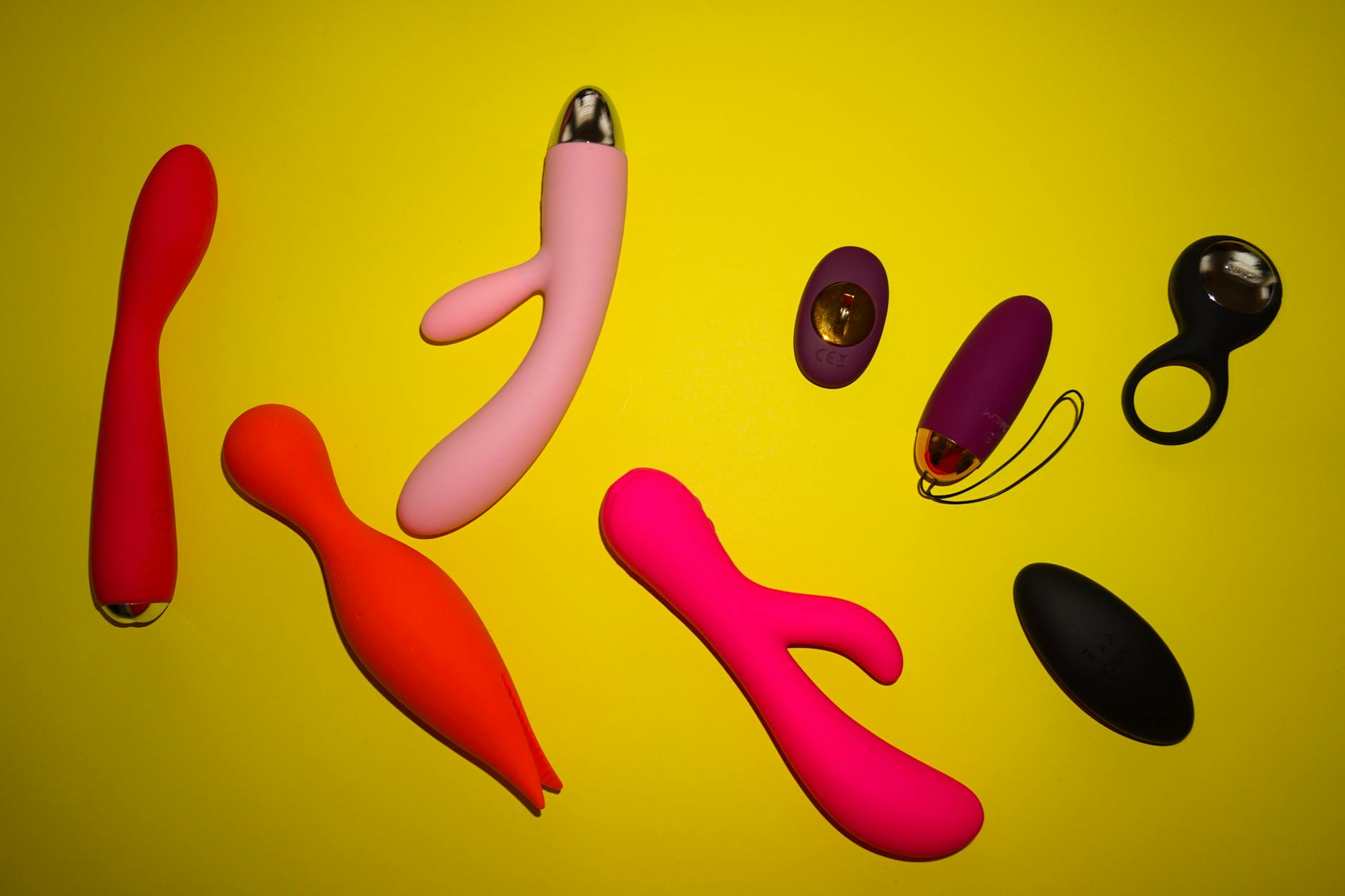
Let's talk about what pelvic floor dysfunction actually steals from you
Pelvic floor physical therapy works. The research is solid, the testimonials are real, and thousands of people move through those months of targeted exercises and regain function. But here's what almost nobody tells you: after months of learning to release tension, relax the pelvic floor on command, and retrain your nervous system, pleasure feels completely different. Not worse necessarily. Just unfamiliar.
Many people describe post-therapy pleasure as muted, distant, or weirdly uncertain. Your body knows how to function now, but the arousal pathways feel rusty. That's not a problem with your recovery. That's completely normal.
What happened to your pelvic floor (and why it matters for sensation)
Pelvic floor dysfunction typically means one of two things: the muscles are too tight and won't relax, or they're too weak and won't engage. Physical therapy retrains the nervous system to find the middle ground. You learn to contract on purpose and release completely. That's the point.
But here's the thing about the pelvic floor: it's wired directly into your arousal response. Tension and arousal are historically linked in your nervous system. When your therapist spent weeks teaching you to relax that tension, you were essentially rewiring what triggers arousal for your body. That's powerful and necessary healing. It also means your body needs time to learn a new way of responding to pleasure.
The muscles themselves are also probably less sensitive right now. After weeks of focused attention, stretching, and deliberate relaxation, the nerve endings need time to settle into a new baseline. Add in the fact that you've been hyperaware of that region in a clinical context, and pleasure can feel intimidating, clinical, or just plain absent.
Why lemon clitoral vibrators work differently for post-recovery bodies
Traditional vibrators stimulate through rapid vibration. That's direct. It works. But for someone rebuilding pleasure after pelvic floor recovery, that intensity can feel overwhelming or even triggering, especially if you spent months learning to release tension. Your nervous system might interpret intense vibration as a threat rather than pleasure.
Lemon clitoral vibrators work differently. They use air-suction technology that mimics the sensation of gentle pressure and release, not mechanical buzzing. Here's why that matters after recovery: the sensation feels more like a building wave than a jackhammer. It gives your nervous system time to recognize the stimulus as pleasurable rather than something to defend against.
The gradual intensity ramp also means you can start at pattern 1 and build up. You're not committed to intensity you're not ready for. That control is huge when you're rebuilding confidence.
The nervous system angle: why speed matters more than you think
Your pelvic floor recovery was about nervous system regulation. Physical therapy essentially taught your body to read signals accurately and respond proportionally. A too-tight muscle was your nervous system overreacting to perceived threat. The therapy fixed that.
But your nervous system is still recalibrating what pleasure looks like. Moving too fast (jumping straight into strong vibration, going straight to intense partner sex, pushing yourself before you feel ready) can feel like you're re-traumatizing yourself, even if nothing is actually wrong.
Lemon clitoral vibrators let you move at your nervous system's pace. Start gentle. Notice what you feel. Build gradually. That's not timid. That's intelligent recovery.
How to use lemon clitoral vibrators during the rebuilding phase
Three practical starting points.
Focus on solo exploration first. No partner pressure, no performance anxiety, just you learning what your body likes now. Use the lemon vibrator on the lowest pattern for 5-10 minutes, several times a week. You're gathering data, not chasing orgasm.
Pair it with breathwork. Pelvic floor recovery trains you to be intentional with your breath. Keep doing that during pleasure. Slow, deep breaths signal safety to your nervous system. It tells your body this is pleasure, not threat.
Skip the goal of orgasm for the first few weeks. I know that sounds counterintuitive when you're trying to rebuild pleasure. But orgasm is a loaded goal when you're retraining your nervous system. Instead, focus on sensation: What does the lemon vibrator feel like at pattern 1? Pattern 2? Does the sensation change if you breathe differently? If you shift position? You're collecting information about your body in a healing context, not performing.
When pleasure starts coming back (and it will)
Many people report that pleasure returns within 2-4 weeks of gentle, pressure-free exploration. Not always in the same way it felt before (and that's fine—you've changed, and your pleasure can too). But the sensation comes back.
Honestly though, some people take longer. If you're 4-6 weeks in and sensation is still muted, that's not a failure. Talk to your pelvic floor physical therapist or a sex therapist. Sometimes micro-dosing different positions, adding warmth, or working through lingering anxiety helps. The lemon clitoral vibrator is a tool, not a magic fix.
The partner conversation, if you have one
If you're in a relationship, your partner needs to understand that you're rebuilding, not broken. Rebuilding takes patience. It takes them being okay with you prioritizing solo exploration for a bit. It takes them not taking muted pleasure as rejection.
When you do move toward partner sex or partner play, you get to set the pace. The lemon vibrator can be part of that: you using it solo while your partner is present, your partner using it on you while you direct intensity and speed. That's not a workaround. That's you taking back agency in your own pleasure.
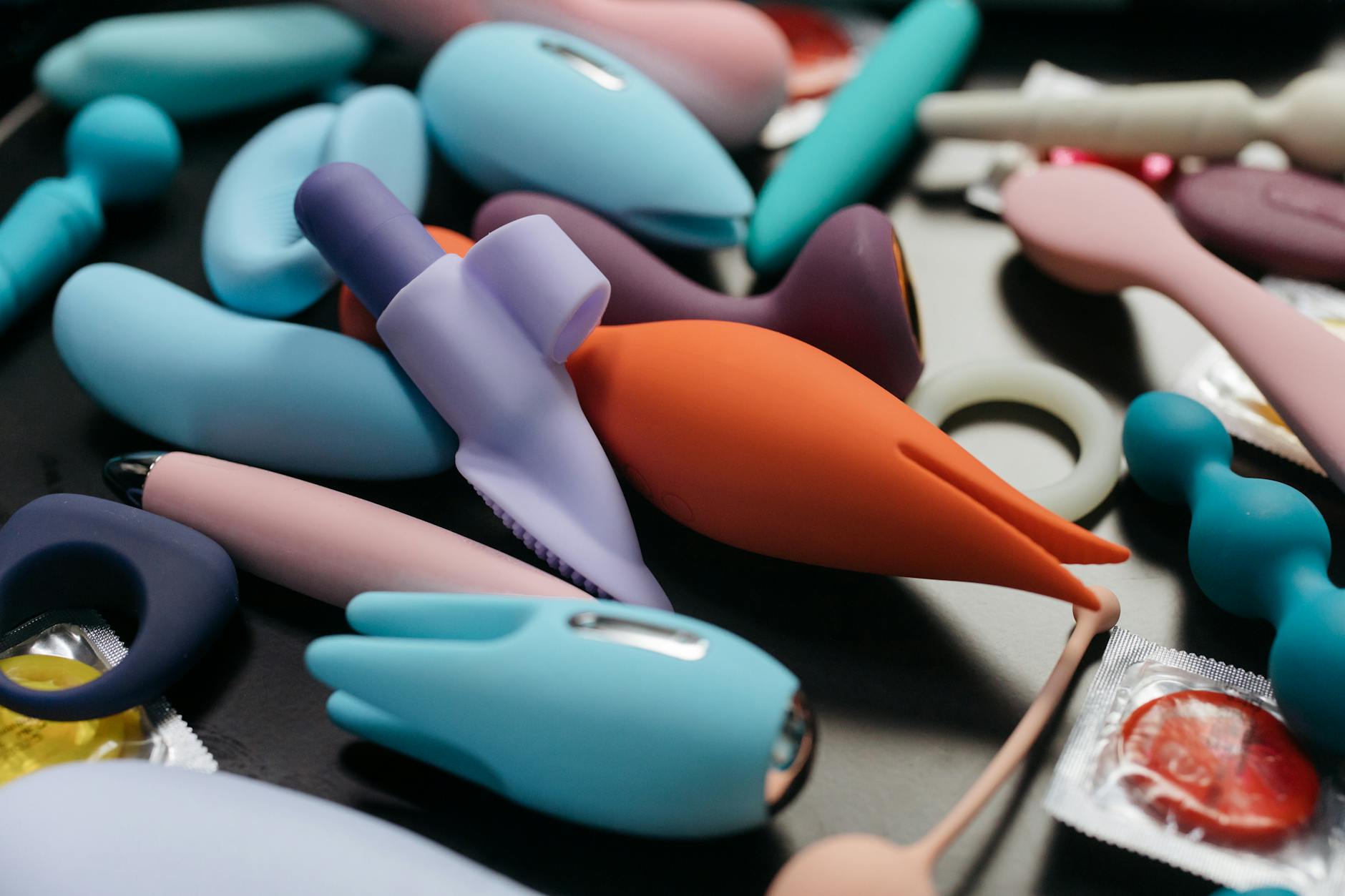
Photo by cottonbro studio on Pexels
The long game: pleasure after recovery is often better
Here's something I tell almost every client rebuilding pleasure after pelvic floor recovery: you now know your body in a clinical, intentional way that most people never do. You know where tension lives. You know how to release it. You know what your nervous system needs to feel safe.
That knowledge is powerful. When pleasure comes back, it comes back informed. You're not passively receiving sensation. You're actively participating in it. That shift changes everything.
Many people say their first year of pleasure after recovery is the best they've ever had. Not because the sensation is physically different (though sometimes it is), but because they're present in a way they never were before. They know what they need. They ask for it. They use tools like the lemon clitoral vibrator intentionally, not apologetically.
Quick FAQ for getting back to pleasure
How long should I wait after pelvic floor therapy before using a vibrator?
Ask your physical therapist, but most recommend waiting until you're through active therapy and your nervous system has settled—typically 1-2 weeks after your final session. If you're still having pain or tension, wait longer.
Will using a lemon clitoral vibrator undo my pelvic floor recovery?
No. Gentle, intentional pleasure doesn't undo pelvic floor work. What can be disruptive is pushing too hard too fast and triggering defensive tension. Start gentle, stay present, and you're fine.
My partner wants to jump back into full sex. I'm not ready. How do I explain that?
Direct: "My body needs more time. When I use tools like the lemon vibrator at my own pace, it helps me rebuild. I'm not rejecting you. I'm honoring what my nervous system needs to feel ready." A partner worth keeping gets that.
Can I use the lemon clitoral vibrator if I still have mild pelvic floor tension?
Yes, but start at the absolute lowest intensity and stop if you notice tension increasing. If you're still in active PT, mention it to your therapist so they can integrate it into your recovery plan.
What if sensation never fully comes back?
Sometimes pleasure shifts rather than returns to baseline. That's worth exploring with a sex therapist. Pleasure can still be real and good, just different from what it was. And sometimes addressing underlying anxiety or relationship dynamics is the missing piece.
Is it normal to feel emotional when pleasure returns?
Yes. You spent months in physical discomfort and nervous system dysregulation. When pleasure comes back, relief comes with it. Cry if you need to. That's healing too.
The real work is patience with yourself
Pelvic floor recovery is an achievement. You did the work. You showed up. You relearned your body's signals. Now you get to do the gentler, slower work of relearning pleasure. That takes time too. The lemon clitoral vibrator is here to help you move at your pace, not anyone else's. Use it that way, and pleasure will find its way back. Better than it was, because this time you know yourself.